
Lotus Incense Holders: Blending Art and Spirituality


Intro
Lotus incense holders serve more than just a practical function; they embody a rich tapestry of cultural significance and aesthetic appeal. Often intricately designed, these holders are deeply rooted in tradition, originating from various cultures, but predominantly found in Asian spiritual practices. They have been embraced in modern settings for not only their beauty but also their ability to create a calming atmosphere.
Among the soft flicker of candlelight or the serene stillness of a room, the rising scent of incense transforms an ordinary space into a sanctuary. The lotus symbol itself has layers of meaning, representing purity, enlightenment, and rebirth across different philosophies.
In the upcoming sections, we will take an extensive look at the charm and utility of these unique artifacts. We’ll examine their design, the materials used in crafting them, and the historical context surrounding their use in both contemporary and traditional practices. The integration of lotus incense holders into today’s modern decor speaks volumes about their timeless nature and versatility.
Our exploration will also touch upon how these holders enhance spiritual practices while marrying the old with the new, reflecting a nuanced blend of cultural heritage and current aesthetic trends. Let’s dive into this fascinating world, starting with the ever-evolving fashion trends surrounding lotus incense holders.
Foreword to Lotus Incense Holders
Lotus incense holders are more than just functional pieces that help manage burning incense; they are artifacts steeped in cultural significance and design aesthetics. This introduction to lotus incense holders will highlight their importance and explore what makes them particularly captivating.
A lotus incense holder typically symbolizes purity and beauty, merging both art and utility. These holders often take inspiration from the lotus flower, a plant revered across many cultures for its ability to thrive in muddy waters and still produce stunning blossoms. This connection to nature not only makes them visually appealing but also evokes a sense of serenity, making them a popular choice for individuals seeking to enhance their living spaces with a touch of elegance and spirituality.
When selecting a lotus incense holder, it’s essential to consider various elements such as design, material, and overall purpose. Listing out some of these core considerations might help:
- Design: The shape and style of the holder can vary greatly, from traditional to contemporary interpretations. Each design carries its own meaning and can influence the ambiance of a room.
- Material: Lotus holders can be made from different materials such as ceramic, wood, or metal. Each choice can affect the durability, heat resistance, and overall aesthetic.
- Functionality: Beyond their beauty, these holders offer the practical benefit of safely catching ash and ensuring that the incense burns evenly, contributing to a more enjoyable experience.
A lotus incense holder deserves attention as it bridges the gap between decorative arts and spiritual practice. Its design can create a focal point in your home, while the act of burning incense itself can promote mindfulness and relaxation. As such, understanding these holders involves not just a fascination with their aesthetic appeal, but also a recognition of their deeper significance in meditation and wellness practices.
As we embark on this exploration of lotus incense holders, we will uncover how these items blend tradition with modernity and how they can enrich various spaces, whether at home, in a wellness studio, or within sacred spaces dedicated to spirituality. The ensuing sections will delve into their cultural roots, design elements, functional benefits, and much more, providing a comprehensive overview that would intrigue both enthusiasts and newcomers alike.
The lotus flower symbolizes growth and enlightenment, making lotus incense holders a cherished item for those seeking tranquility.
Cultural Significance of Lotus Flowers
The lotus flower holds a deep-rooted significance across various cultures and philosophies. Often seen rising majestically from murky waters, it represents purity, enlightenment, and rebirth. This duality of flourishing amidst adversity is what makes the lotus a powerful symbol for many. In the context of lotus incense holders, this cultural backdrop enriches the aesthetic and functional experience associated with them.
Symbolism in Various Cultures
Across the globe, the lotus has been a pivotal symbol in numerous belief systems:
- Eastern Cultures: In countries like India, the lotus features prominently in Hinduism and Buddhism, symbolizing spiritual awakening. The deity Lakshmi often holds a lotus, signifying prosperity and purity. In Buddhism, the lotus symbolizes the path to enlightenment, rising through the muddy water of materialism to flourish in the light.
- Egyptian Lore: The ancient Egyptians reverently associated the lotus with creation and rebirth. They believed that the flower floated on the Nile during the day and closed at night, echoing themes of life, death, and resurrection connected to the sun. Its image adorned many sacred artworks, echoing the ever-renewing cycles of life.
- Greco-Roman Perspectives: The Greeks have incorporated the lotus into various myths and legends, notably in the form of the lotus-eaters in The Odyssey. Here, it was viewed as a symbol of forgetfulness, hinting at the tension between indulgence and responsibility.
In each of these cultural narratives, the lotus transcends mere beauty. Its layers reveal insights into human experiences—struggle, transcendence, and the exquisite beauty achievable through resilience.
Lotus in Spiritual Practices
Lotus incense holders serve as more than just decorative items; they are rooted in the spiritual practices of many cultures. The act of burning incense often complements rituals aimed at promoting tranquility and mindfulness.
- Meditation and Prayer: In numerous spiritual practices, the aroma of incense enhances meditation or prayer sessions. The gentle perfume is believed to facilitate clearer connection with the divine or the self during introspection. The lotus incense holder becomes a vessel for not only capturing the fragrant smoke but also cultivating a sensory experience that deepens meditation.
- Ritual Purification: In various traditions, incense burning has roles in purification ceremonies. The smoke is thought to dispel negative energies and create an ambiance conducive to spiritual work. A lotus holder can symbolize this cleansing process, celebrating the flower’s journey from mud to bloom.
- Mindfulness Practices: Lotus holders are frequently used in mindfulness spaces, promoting a calm atmosphere. The visual appeal of the holder alongside the aromas provides a multi-sensory experience, rooting individuals in the present.
"Lotus incense holders are more than mere utility; they embody cultural heritage, elevate rituals, and offer a glimpse into the soul of human practices that seek balance and peace."
In essence, the significance of the lotus flower extends far beyond its physical form, influencing artistic expression, spiritual activities, and personal practices. As such, the inclusion of lotus incense holders in spiritual spaces serves to enhance the metaphysical experience, while also providing a unique aesthetic appeal that honors the flower's rich cultural narrative.
Design Elements of Lotus Incense Holders
The design elements of lotus incense holders play a crucial role in marrying both aesthetics and functionality. It’s not just about having a pretty thing to set on the shelf; these elements contribute to the experience of using incense as well as how they fit into different environments. The thoughtful creation of these items allows them to serve their purpose effectively while enhancing the space they occupy.
Shape and Form
When talking about shape and form, a lot hinges on the symbolism of the lotus flower itself. It might seem simplistic to just look at a holder’s silhouette, but a holder shaped like the lotus flower often embodies serenity and spiritual significance. These designs can range from minimalist curves to more intricate floral motifs. The form can also impact how the incense is burned, with varied angles allowing for better airflow and smoke dispersal.
For instance, a holder that is slightly elevated not only captures the ashes but also allows smoke to rise freely. This movement of air can impact how the aroma of the incense fills a room, leading to a more immersive experience. Choosing a design that resonates with one’s personal space is key; whether it’s a sleek modern shape or a traditional, ornate form, the right choice enhances both utility and decor.
Material Choices
The materials used in manufacturing lotus incense holders can tell you a lot about their longevity and suitability for various spaces. Common materials include ceramic, wood, and metal. Each offers a different vibe and enhances the aesthetic in unique ways.


- Ceramic: Often glazed to achieve a shiny finish, ceramic holders can be both delicate and robust. Their often elaborate paint designs and patterns make them visually striking. These are ideal for tranquil spaces like meditation rooms.
- Wood: Wooden holders provide a rustic and organic feel, with the grain patterns adding a layer of texture. They can absorb some of the aroma, enhancing the ambiance in a subtle way. For those who enjoy a natural aesthetic, wood is a strong contender.
- Metal: These holders can range from sleek stainless steel to intricate wrought iron designs. They often evoke a vintage or industrial feel. Metal holders tend to be very durable and can create stunning contrasts in more modern designs.
The choice of material not only reflects personal taste but can also dictate how user-friendly the holder is. Durability, ease of cleaning, and heat resistance are all aspects to consider when selecting the right material.
Color and Finish
The color and finish of a lotus incense holder can dramatically influence the mood of a space. Bright hues tend to infuse energy and exuberance, whereas muted tones evoke calmness and tranquility.
Consider the following:
- Bright Colors: Using a vibrant holder can act as a focal point in a room, seamlessly drawing the eye. For example, a deep blue finish can evoke feelings of peace and clarity, ideal for a meditation corner.
- Neutral and Earthy Tones: These can blend seamlessly with other décor elements, promoting a more cohesive and laid-back atmosphere. A soft beige holder fits right in with natural wood tones, creating a serene environment.
The finish of the holder also matters; a matte finish offers a more understated elegance, while a glossy surface can reflect light beautifully, enhancing the overall ambiance of the space.
Choosing the right color and finish allows one to express individuality while also enhancing the atmosphere of the space where the incense is enjoyed.
Functional Aspects
The functional aspects of lotus incense holders extend far beyond mere decor; they play a critical role in enhancing the experience of burning incense, aligning with both practical and aesthetic considerations. Understanding these aspects is essential for those looking to incorporate such holders into their rituals or daily lives.
Burning Incense Safely
Burning incense can be a delightful experience, but safety should always be a top priority. Lotus incense holders are specifically designed to contain the ash and prevent any accidental fires. They typically feature a solid base, ensuring stability during the burning process. This stability is fundamental, particularly in busy households or places where children and pets are present.
When selecting an incense holder, it is wise to look for features like a wide dish to catch falling ash. Ceramic and wooden holders can also provide a heat-resistant barrier, minimizing the risk of heat damage to furniture.
Moreover, proper ventilation is crucial. Incense should ideally be burned in an area where smoke can disperse freely, as prolonged inhalation of smoke can lead to respiratory discomfort. Thus, while using a lotus incense holder, ensure that the surrounding area is well-ventilated, enhancing both safety and the aromatic experience of the incense itself.
Enhancing Relaxation and Focus
Lotus incense holders serve not only as functional items but as tools to foster an atmosphere of relaxation and concentration. The beautiful design of these holders often draws the eye, grounding the space and making it conducive for meditation or reflection.
The act of burning incense often accompanies rituals aimed at creating calm. Scents like sandalwood, jasmine, or lavender have medicinal qualities that can soothe the mind. Studies have shown that certain aromas can elevate mood, reduce anxiety, and even enhance cognitive function. Placing your favorite incense in a lotus holder transforms the act into something almost sacred, merging functionality with mindfulness.
Furthermore, setting aside a specific spot for your lotus incense holder may signal the mind that it is time to unwind. The repetitive ritual of lighting incense, paired with the visual appeal of the holder, can be a powerful cue for focus and relaxation, allowing one to enter a more receptive state for meditation or creative work.
"Creating an environment that promotes relaxation is just as important as the ambience itself. Each element, from the scents to the holders, weaves a tapestry of tranquility."
Utilizing a lotus incense holder can thus not only elevate the aesthetic of a space but also stimulate psychological benefits. The choice of shapes and colors can also be personalized, turning practical items into expressionistic art forms. In this context, lotus incense holders become more than vessels; they become elements of wellness in the home, harmonizing beauty with utility.
Integration in Interior Design
The integration of lotus incense holders into interior design is not merely about aesthetics; it’s an expression of personal philosophy and cultural appreciation. These pieces act as focal points that bridge the gap between functionality and decorative artistry. Home décor evolves, and incorporating these items helps cultivate an ambiance that resonates with tranquility and grace. Let's break down their significance.
Complementing Modern Aesthetics
In the world of interior design, the concept of ‘modern aesthetics’ encompasses minimalism, functionality, and cohesion of style. Lotus incense holders fit this mold through their sleek forms and elegant designs.
- Simplicity and Sophistication: Their intricate yet understated shapes often blend with various styles, be it Scandinavian minimalism or bohemian chic. A well-placed holder on a clean-lined coffee table creates a stunning visual contrast.
- Material Versatility: Crafted from materials such as ceramic, brass, or bamboo, these holders reflect the tactile diversity celebrated in modern design. Each material choice brings its charm, enhancing the visual narrative of the space while inviting the senses.
- Color Palette Harmony: Often found in earthy tones or metallic finishes, these holders can complement or contrast the existing color palette of a room, thus enriching the overall aesthetic. Imagine a muted grey space with a vibrant, terracotta lotus holder: it catches the eye while maintaining the peace of the environment.
Thus, when integrated thoughtfully, lotus incense holders become more than just decorative items; they serve as a harmonious blend in the tapestry of contemporary style.
Creating a Tranquil Environment
The ever-increasing pace of modern life brings about a necessity for creating tranquil sanctuaries within our homes. Lotus incense holders play an essential role in establishing this calm atmosphere.
- Aromatherapy and Atmosphere: Utilizing incense with floral or earthy scents can transform a space, calming the mind and enhancing focus. The ritual of lighting incense adds an action that invites mindfulness, further establishing tranquility.
- Visual Comfort: The aesthetic of a lotus incense holder, resembling the serenity of a lotus flower, can subconsciously contribute to a peaceful mindset. Its design can evoke feelings of balance and serenity, which are crucial in creating a soothing home environment.
- Mindful Spaces: Whether used in a meditation corner or a reading nook, these holders enhance spaces designated for relaxation. As part of intentional interior design, they remind individuals to slow down and appreciate the moment.
"In the swirl of everyday chaos, fostering serenity through design choices, like lotus incense holders, can significantly elevate one's living experience."
In summary, the integration of lotus incense holders into interior design transcends mere decoration. They encapsulate a blend of form and function that enriches environments with beauty and tranquility. By considering their role, designers and influencers can enhance homes, crafting spaces that offer not only visual appeal but also an aura of peace.
Variations of Lotus Incense Holders
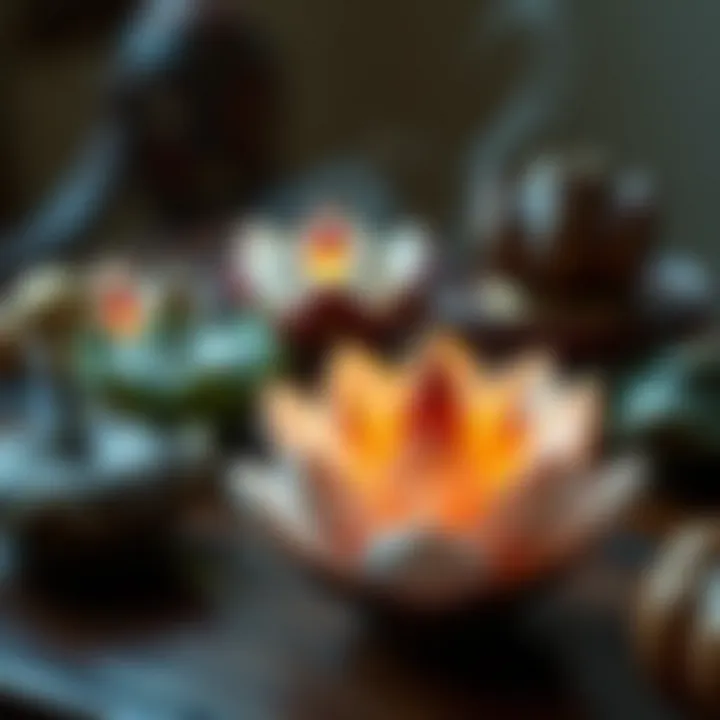
The array of designs seen in lotus incense holders speaks volumes about their cultural significance and the personal aesthetic choices of individuals who use them. Delving into the nuances of these variations not only underscores their visual appeal but also highlights how they cater to diverse preferences and practical needs. By understanding these distinctions, one can better appreciate the artistry involved in their creation and their functional applications in various settings.
Traditional vs. Contemporary Designs
When comparing traditional and contemporary lotus incense holders, one can observe a fascinating interplay of heritage and innovation. Traditional designs usually draw inspiration from ancient motifs and craftsmanship techniques. These holders often feature intricate carvings and patterns that echo the cultural narratives of the regions they hail from. For instance, a classic lotus incense holder from India may boast fine detailing shaped to mimic the delicate petals of the lotus flower, signifying purity and serenity. They typically utilize materials such as brass or wood, which lend themselves to beautiful traditional adornments.
On the other hand, contemporary designs take a more minimalist approach, favoring sleek forms and modern materials. Think of holders crafted from ceramic or glass with clean lines and vibrant hues. These pieces tend to fit neatly into modern interiors while still resonating with the traditional significance of the lotus. The choice of simpler forms can make a bold statement in a setting, where less is often more, and yet still encapsulate essential meanings.
Key differences include:
- Aesthetic Approach: Traditional focuses on detail; contemporary emphasizes simplicity.
- Materials: Brass or wood for traditional versus ceramics and glass for modern designs.
- Cultural Influence: Traditional holders often tell a story; contemporary pieces are more about innovation in form.
Regional Differences in Craftsmanship
Craftsmanship of lotus incense holders varies significantly across regions, and these differences reflect local artistry, available materials, and cultural traditions. For example, in Southeast Asia, particularly countries like Thailand, lotus incense holders are often crafted from durable metals and feature vivid colors and engravings that depict local wildlife and scenery. Such designs capture not only the essence of the lotus but also the vibrant ecosystem surrounding it.
In contrast, the craftsmanship seen in Chinese lotus incense holders can showcase exquisite porcelain techniques. Here, the highly decorative nature often includes hand-painted scenes of nature or mythology, harmonizing with traditional beliefs and practices. Additionally, artisans often employ a brilliance of color in glazes, enhancing the visual and tactile experience.
Meanwhile, Indian craftsmen may favor carving techniques using softer woods to create intricate patterns that are reflective of their rich spiritual and historical tapestry. These holders sometimes incorporate symbols or motifs that are relevant to various deities within Hinduism, thus adding layers of significance.
Such regional differences underscore the rich tapestry of creativity and cultural expression that lotus incense holders embody. By acknowledging these distinctions, one not only enhances their appreciation for these objects but can also make more informed choices when selecting a holder that resonates with personal style and spiritual significance.
Choosing the Right Lotus Incense Holder
Selecting the ideal lotus incense holder goes beyond mere aesthetics; it's a decision that intertwines personal style with functionality and the overall ambiance of the space. With an array of shapes, sizes, and materials available, finding the perfect holder not only enhances the beauty of an area but also caters to the practical aspects of incense burning. This section dives into the considerations necessary for making a well-informed choice, ensuring that your selection is as beneficial as it is visually pleasing.
Assessing Size and Space
A crucial element in your decision-making process is the size of the incense holder and the space it will occupy. Consider the layout of the room where you intend to use the holder. A petite holder may elegantly fit on a bedside table, while a larger one might command attention on a coffee table or mantel.
- Room Dimensions: It's essential to take measurements of the available space. A smaller room might benefit from daintier, minimalist designs, while expansive areas can gracefully accommodate more elaborate holders.
- Placement Considerations: Think about where you'll place the holder in context. For instance, an intricate lotus design can become a centerpiece, while simpler forms are perfect for lighting up a tranquil corner.
- Height and Functionality: The height of the incense holder should align with your lifestyle. If it's placed too high or low, it might diminish its aesthetic impact or cause inconvenience when lighting incense.
Finding a balance between size and space enhances both function and visual appeal. A well-sized holder ensures that the aroma disperses effectively without being overpowering, contributing to a serene environment.
Considering Personal Aesthetics
When it comes to choosing a lotus incense holder, personal taste plays a significant role. This choice should resonate with your unique sense of style and the atmosphere you wish to create.
- Design Preferences: Are you drawn to modern sleek lines, or do you prefer intricate traditional designs? Identifying your design preferences can help narrow your options. For example, a contemporary holder may incorporate geometric shapes that harmonize with modern furnishings, while an ornate holder can reflect vintage tastes.
- Color and Finish: Color can significantly affect the mood of a space. Consider how the hue of the holder blends with your decor. A metallic finish might add a touch of sophistication, while earthy tones can instill warmth and calmness.
- Cultural Resonance: Lotus flowers hold deep cultural significance in many traditions. If you have a personal connection to these values, selecting a holder that embodies that cultural heritage can enrich your home.
Making a mindful choice involves ensuring that the holder's design speaks to you personally while also fitting seamlessly into your surroundings. A lotus incense holder shouldn't just be a functional object; it should reflect your identity and enhance your space's energy.
"Choosing an incense holder is akin to choosing a piece of art. It should resonate with your spirit and enhance your surroundings."
With careful consideration of size and an understanding of your aesthetic, you can select a lotus incense holder that not only serves its purpose but also elevates your living space, making it truly a sanctuary of tranquility and beauty.
Maintenance and Care
The maintenance and care of lotus incense holders play a critical role in preserving their beauty and functionality. These holders, whether crafted from delicate ceramics or sturdy metals, require attention to ensure they remain in good condition over the years. Neglecting proper care can lead to not only a decrease in aesthetic appeal, but also potential safety hazards during use.
When you take the time to maintain your lotus incense holder, you not only enhance its longevity but also contribute to a more welcoming atmosphere. A well-maintained piece complements your space, elevating both the decor and the experience of using incense for relaxation or spiritual practices.
Cleaning Techniques
Keeping a lotus incense holder clean is imperative for both health and aesthetics. Here are some techniques to consider:
- Dusting Regularly: Use a soft cloth to wipe down the holder, capturing dust that might accumulate over time. This simple step can keep your holder looking fresh.
- Dealing with Stains: If incense residue forms, mix a mild soap with warm water. Dip a cloth into the solution and carefully clean the stained areas. Make sure you rinse and dry thoroughly afterwards to avoid any moisture accumulation, which can damage some materials.
- Deep Cleaning: For deeper stains or buildup, consider using a soft-bristled brush to reach intricate areas. Be gentle to avoid scratching the surface.
Always refer to the manufacturer’s instructions if available, as different materials may require different types of care. For example, bamboo holders might have unique needs compared to ceramic ones.


Storage Recommendations
Proper storage is fundamental in ensuring your lotus incense holder stays in top shape. Here are a few suggestions for maintaining your piece:
- Avoiding Direct Sunlight: Keep your incense holder in a shaded area. Prolonged exposure to sunlight can fade colors, especially in painted or glazed pieces.
- Using Protective Display Cases: If you’re particularly fond of a specific holder, consider displaying it in a glass case. This not only protects it from dust but also adds a touch of elegance to your decor.
- Separating from Heavy Items: If you’re storing several items together, make sure the incense holder is not at risk of being clashed against heavier pieces that could cause breaks or scratches.
- Seasonal Packing: If you only use your incense holder during certain times of the year, consider wrapping it in acid-free tissue paper before placing it in a storage box. This helps prevent chips and scratches while also keeping it dust-free.
"The careful attention to maintenance reveals respect for not just the object, but also the traditions and experiences it embodies."
By incorporating these cleaning techniques and storage recommendations into your routine, you’ll find that your lotus incense holder remains an exquisite addition to your home. Not only does this enhance your own experience but it also invites admiration from guests who appreciate such thoughtfulness in home decor.
The Role of Incense in Wellness Practices
The use of incense has a deep-rooted history, tightly interwoven with wellness practices across cultures. Lotus incense holders, in particular, play a significant role in this interplay, bridging aesthetics and functionality. The fragrant tendrils of smoke drifting from burning incense do more than just scent a space; they invoke a myriad of emotional and psychological benefits that contribute to overall wellness.
Burning incense, especially in the serene environment created by a lotus incense holder, stimulates the senses, enhancing relaxation and promoting a calm state of mind. It serves as an anchor, bringing awareness and presence to one’s surroundings during meditation or yoga practices. The gentle flame and the delicate rise of smoke can often help in focusing the mind, allowing individuals to engage more fully in their rituals and reflections.
Aromatherapy Benefits
Aromatherapy, using essential oils or incense for therapeutic purposes, has gained recognition in wellness circles for its numerous benefits. Burning lotus incense releases essential oils that can help reduce stress and anxiety levels. The experience of lighting incense and allowing the smoke to fill a space creates an olfactory landscape that can invigorate or calm the spirit, depending on the chosen scents.
- Enhances Mood: Certain fragrances like jasmine and sandalwood are known to uplift mood and act as natural aphrodisiacs.
- Encourages Relaxation: Lavender or chamomile incense scents are often utilized to promote relaxation, making them a staple for those seeking calm in chaotic times.
- Improves Focus: Scents like lemon and peppermint can sharpen concentration, making it easier to remain engaged whether at work or during reflective practices.
Incorporating these scents into a daily routine could be as simple as lighting a stick of incense before starting work or winding down for the day. When placed in a lotus incense holder, the experience becomes not just functional but also aesthetically pleasing, enriching the ritual.
Meditation and Mindfulness
The practice of meditation is deeply rooted in many spiritual traditions. Lotus incense holders enhance this practice by providing sensory cues that help establish a meditative mindset. The ritual of lighting incense cues the brain, signaling it to transition into a state of mindfulness.
Having the right ambiance matters for effective meditation. Here’s how an incense holder can support this:
- Creating Sacred Space: A lotus incense holder enhances the visual aspects of a meditation space. Its graceful design often brings a calming beauty to the setting.
- Encouraging Focus: The rising smoke serves as a point of focus, helping practitioners return to their breath when distractions arise during meditation.
- Promoting Stillness: The scent of the burning incense, coupled with its soft, visual presence, encourages a stillness in the body and mind, allowing deeper insight to emerge.
Ultimately, the integration of incense into wellness practices, particularly through lotus incense holders, offers a holistic approach to enhancing one’s quality of life. They are not just tools for fragrance or decoration but are pivotal in fostering tranquility, focus, and mindfulness.
Future Trends in Incense Holders
The exploration of future trends in incense holders signifies a vital area of focus as consumers lean towards designs that not only serve aesthetic purposes but also align with values of sustainability and technology. Recognizing the changing dynamics in consumer preferences is essential for artisans and designers alike, paving the way for creative adaptations in the marketplace. This section delves into specific aspects including the importance of sustainable materials and how technological advancements are reshaping the landscape of incense holders.
Sustainable Materials in Design
In recent years, there has been a marked shift towards using sustainable materials in design. For lotus incense holders, this trend is especially relevant as more consumers become aware of their environmental footprint. Bamboo, for instance, is gaining traction due to its rapid growth and renewability. Many designs now incorporate this eco-friendly option, bringing a touch of nature into homes while minimizing ecological impact.
Additionally, artisans are experimenting with recycled materials, turning waste into art. This not only enhances the ecological credentials of a product but also adds uniqueness to each holder. Here are some popular sustainable materials utilized:
- Bamboo: Known for its strength and lightness, bamboo makes for durable and stylish holders.
- Recycled Glass: Offering a blend of elegance and sustainability, recycled glass can be molded into intricate designs.
- Clay: Natural clay sourced responsibly connects traditional crafting methods with modern ecological consciousness.
- Organic Stone: Stones that require minimal processing can provide a luxurious and earthy feel to modern designs.
By prioritizing these sustainable materials, manufacturers stand to attract environmentally-conscious consumers while staying relevant in a competitive market.
Technological Advancements
Technology is set to take the incense holder market by storm, aiding not just in manufacturing but also in enhancing functionality and user experience. The rise of smart home technologies is beginning to influence design choices, leading to the creation of holders equipped with features that cater to the tech-savvy consumer. For instance, some models now integrate diffusers that allow for synchronized use of essential oils and incense, maximizing the aromatherapeutic experience.
Moreover, interactive designs are emerging where users can control the burning duration or intensity through mobile applications. Consider the potential benefits of such advancements:
- Customization: Users can set preferences tailored to their mood, helping to create a more personalized atmosphere.
- Safety Features: Certain models incorporate automatic shut-off systems to prevent overdrying or potential fire hazards.
- IoT Integration: Smart incense holders can connect to other smart devices, providing a cohesive home experience.
The future of incense holders is not just bound to evolving designs but is also embracing the intersection of culture and innovation. As these trends unfold, it is clear that they will play a pivotal role in redefining how individuals perceive and interact with these items, ultimately enriching both aesthetic appreciation and functionality.
End
In closing, the exploration of lotus incense holders reveals their dual function as both aesthetic enhancements and practical tools in our daily lives. They embody a rich cultural history that transcends boundaries, infusing spaces with a sense of serenity and beauty. These holders are not merely decorative items; they serve as an invitation to pause, reflect, and find balance amid life's chaos.
By understanding the significance and the artistry behind these pieces, fashion influencers, designers, and marketers can appreciate how they contribute to contemporary aesthetic choices while respecting their origins. The ability to blend cultural heritage with modern design signifies an evolving narrative in interior decor.
Important Points to Consider:
- Cultural Value: Recognizing the lotus flower and its incense holders enriches our engagement with diverse traditions, promoting inclusivity in design.
- Functional Benefits: Their role in enhancing wellness through relaxation and meditation practices elevates their importance beyond mere appearance.
- Design Adaptability: The integration of sustainable materials and innovative designs is pivotal for future trends, appealing to eco-conscious consumers.
In essence, lotus incense holders embody a bridge between the past and present, merging aesthetics with functionality. Their presence in any space can cultivate a tranquil atmosphere, while subtly reminding us of the deeper connections we share with nature and tradition. As the conversation around sustainability and design continues to grow, embracing such elements can not only enhance interior settings but also enrich our personal experiences.