Crafting Macrame Display Stands: Art Meets Functionality
Intro
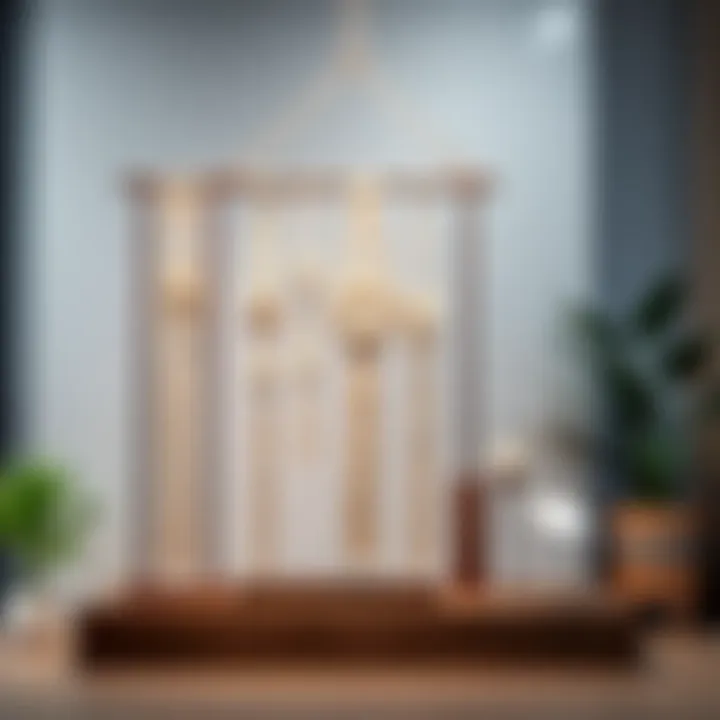
Macrame, once a favorite craft of the ’70s, has woven its way back into the hearts and homes of many. Not just a nostalgic throwback, the art of macrame display stands captures the marriage of creativity and utility in a way that elevates interior aesthetics. This article takes a closer look at how these intricate pieces not only showcase items but also tell a story about personal style and craftsmanship.
As we embark on this journey through the world of macrame display stands, we’ll uncover how their designs have evolved over time, examining various materials and construction techniques. From simple knots to complex patterns, macrame stands are versatile enough to suit various environments—from an artist’s studio to a chic boutique. The influence of macrame transcends mere functionality; it breathes life into spaces, enhancing the ambiance while providing practical solutions for item display.
By the end of this exploration, readers will have a comprehensive understanding of why macrame display stands matter, how they can enhance spaces, and ways to integrate these pieces into everyday life, embodying a personal sense of style while keeping up with modern trends.
Preface to Macrame
The world of craft has a special place for macrame, a form of textile art that relies heavily on knotting rather than weaving or knitting. This introduction to macrame lays the groundwork for understanding its significance, especially in the context of displaying items such as plants or decorative pieces. Macrame isn't just about aesthetics; it's a gateway into the rich tapestry of culture, personal expression, and functional artistry. By weaving together strands of cord into intricate designs, one creates not only beauty but also functional display stands that enhance the charm of any space.
Historical Background
Diving into the historical depths of macrame showcases its intriguing evolution. The roots of this craft can be traced back to centuries ago, with origins often linked to various cultures across the globe. The word "macrame" itself is derived from the Arabic word "migramah," referring to a fringe. In ancient times, various forms of knotting were primarily used for securing garments or decorating surfaces.
In the 19th century, nautical culture brought macrame into the limelight. Sailors would often craft decorative items from spare rope, utilizing knots to create aesthetically pleasing designs that were also practical. This blend of utility and artistry paved the way for macrame to become a widely beloved craft, eventually making its way into the homes and hearts of many around the world.
Cultural Significance
In terms of cultural significance, macrame carries with it a legacy that goes beyond mere decoration. It's a craft that transcends geographical boundaries, reflecting local customs and traditions. For example, in Latin America, macrame has been used in traditional clothing and ceremonial objects, signifying a connection to heritage and community.
Furthermore, macrame gained a resurgence during the 1970s, reflecting the era's inclination towards DIY cultures and self-expression. It was during this time that many embraced handcrafted home decor, viewing macrame as not just art, but an integral part of lifestyle.
Today, as craftivism and sustainable practices gain momentum, macrame stands tall as a symbol of both revival and innovation. The resurgence of interest in eco-friendly decor means that artisans are now experimenting with natural fibers, creating not just display stands but also environmentally conscious design statements. Each knot tells a story, embodying the spirit of creativity and sustainability in modern decor.
Macrame is not merely an art form; it’s a journey through history, culture, and personal expression, evidenced through the knots that bind generations of craft enthusiasts together.
In summary, understanding the historical background and cultural significance of macrame is pivotal in appreciating its role in contemporary design. This exploration not only enriches our knowledge but also deepens our connection to this charming art form.
Understanding Macrame Techniques
In the realm of macrame, techniques serve as the very backbone of the craft, elevating a simple string into intricate works of art. Understanding these techniques not only enriches the maker's skillset but also opens doors to designs that reflect personal expression and functional needs. With the growing popularity of macrame in home decor, it’s vital for craft enthusiasts, designers, and influencers alike to be acquainted with both basic and advanced techniques.
Mastering macrame involves knowing how to manipulate the cord through various knots and stitches. These foundational elements provide a springboard for additional creativity. A well-knotted piece can be the difference between a project that looks amateur and one that is a real showstopper. More experienced artisans may explore complex techniques, allowing for even greater detailing and customization in display stands. This knowledge equips creators with the ability to transform their visions into tangible pieces, enhancing the aesthetic appeal of any environment.
Basic Knots and Stitches
The journey of creating a macrame display stand typically begins with a selection of knots that form the skeleton of the project. Understanding a few basic knots is crucial:
- Square Knot: Simple and versatile, the square knot serves as a building block for many designs. It requires two cords and can be repeated to create a wider net.
- Half Hitch: Often used for attaching cords to a structure, this knot allows for a flexible yet secure hold. The half hitch can be arranged in multiple orientations to create differing effects.
- Lark’s Head Knot: This knot attaches the cord to a rod or a ring and serves as an anchor for the rest of the work. It's particularly useful in creating a stable base for hangable stands.
By mastering these basic knots, crafters soon find themselves able to construct not just stands, but an array of decorative items. Consider this: a well-placed square knot can elevate your display from ordinary to extraordinary, serving both form and function seamlessly.
Advanced Techniques
Once the basics are under your belt, it’s time to delve into more advanced techniques that can push the boundaries of what macrame can achieve. Here are a few noteworthy ones:
- Spiral Stitch: This stitch creates a beautiful, twisting effect in the design, adding visual depth and movement.
- Berry Knot: An eye-catching feature that introduces texture, the berry knot forms rounded shapes, resembling small berries nestled in the work.
- Chevron Pattern: A combination of knots arranged in zigzag formations can yield striking visual pathways, nice for eye-catching display stands.
Advanced techniques not only enhance the visual aspect but also enrich the structural integrity of the macrame display stand. They allow for complex designs that can be both decorative and functional. Even a simple plant stand or wall hanger can stand tall and proud with the right combination of knots.
In summary, understanding macrame techniques is fundamental for anyone looking to master the art of crafting display stands. Whether you’re starting with the basic knots or venturing into advanced patterns, each technique blossoms into an opportunity for creativity and personal expression in the craft.
Designing a Macrame Display Stand


Designing a macrame display stand is like a dance between creativity and functionality, a blend of aesthetics and purpose that can elevate any space. This section is crucial as it lays the groundwork for making a stand that doesn’t just hold items but also becomes a centerpiece in its own right.
Several elements must be considered, such as the materials used, the patterns that will adorn it, and the color palette that aligns with the intended vibe of the area it will inhabit. Each choice in the design process contributes to the overall effectiveness of the display stand, enhancing its role in showcasing your cherished items while providing visual interest.
Choosing Materials
Types of Cord
When it comes to crafting the core of your macrame display stand, the type of cord you choose is paramount. Options abound, from cotton to jute to nylon, with each type bringing its unique flavor to the table. Cotton cords, known for their softness and versatility, are particularly popular because they are easy to work with and come in various thicknesses.
The softness of cotton often makes knots look neat and defined, which can be visually appealing. However, its absorbent nature can make it less ideal for areas with high humidity as it can retain moisture and potentially develop mold over time. So, choosing cotton is a good bet, but pay heed to your location’s climate!
Jute, on the other hand, grants a more rustic, earthy feel. Its rough texture can add character, but it lacks the strength of cotton—too much weight can lead to sagging. In essence:
- Cotton: Great for softness and versatility, but humidity can be an enemy.
- Jute: Adds rustic charm; just keep in mind it’s not as strong.
Selecting the right cord type not only impacts the aesthetics but can also determine how well your display stand performs in real-world applications.
Supporting Structures
Beyond the cord itself, the supporting structure of the display stand is vital to its overall stability and functionality. Materials like wood, metal, or even recycled materials can serve as a sturdy base. Each choice has its characteristics—wood provides a warm, natural look, while metal might offer a modern edge and durability.
For instance, utilizing wooden dowels gives the stand an organic feel, blending seamlessly with inputs from nature or indoor plants. Nevertheless, the challenge with wood can often be its weight, making transportation tricky. If a lighter approach is needed, back it up with thinner metal rods; these retain strength while being manageable. Key points to weigh:
- Wood: Warm and natural; can be heavy.
- Metal: Sleek and strong; but may feel industrial.
In crafting a display stand that checks both visual and functional boxes, the supporting structure must not be an afterthought. Balance between material choices and the function the stand must fulfill leads to an optimal display that meets your aesthetic needs and practical demands.
Incorporating Aesthetic Elements
Patterns and Textures
Patterns and textures play an important role in the overall design of a macrame display stand. The knots themselves can create visually striking effects that draw the eye and infuse life into an otherwise simple structure.
Incorporating different types of knots—like the square knot, lark’s head, or even more intricate designs—provides the opportunity to play with both symmetry and asymmetry. Such patterning not only serves to beautify but also supports the design's structural integrity. Different textures can evoke different sensations, leading to a multi-dimensional experience for viewers.
Interesting textures can add depth, whether you choose to keep it smooth or employ various knotting techniques that bring out elaborate patterns. Textured designs often demand attention and can work wonders in gathering interest in a crowded market place.
Color Selection
Color is another pivotal aspect of designing a macrame display stand, acting as a silent communicator of emotions and themes. Selecting hues that resonate with the personality of the piece or the surrounding decor can elevate the stand from ordinary to extraordinary. Neutral tones like whites, beiges, and grays can blend effortlessly into almost any area, allowing the items they hold to take center stage.
On the other hand, bolder colors—like electric blue or vibrant red—can create psychological impacts, eliciting feelings of energy and passion. So, choosing a color should align not just with visual appeal, but also with the ambiance the display should echo.
In summary:
- Patterns & Textures: Establish depth and visual intrigue.
- Color: Choose wisely to evoke the right emotions and align with your intended design theme.
In this journey of designing a macrame display stand, understanding the interplay between materials, structural support, aesthetic patterns, and color selections forms the bedrock of creating something truly special. Every decision is a brush stroke on the canvas, contributing to a masterpiece that reflects creativity and functionality.
Functional Applications of Macrame Display Stands
The functional applications of macrame display stands showcase how this ancient craft has transitioned from a mere hobby into a versatile design element. These stands not only serve as artistic expressions but also fulfill practical purposes in various settings, enhancing both aesthetics and utility. Understanding these applications offers insights into why macrame is becoming increasingly popular in modern design.
Home Decor


Showcasing Plants
Showcasing plants in macrame display stands marries functionality with nature. These stands provide an ideal way to elevate greenery while keeping the floors clear, adding layers to interior spaces. A notable benefit is that hanging plants can improve air quality by filtering toxins, leading to a healthier home environment.
The unique feature of macrame in this context is its ability to allow plants to cascade gracefully while adding a touch of texture and warmth. When plants dangle from the ceiling or a high shelf, they create visual interest and draw the eye upward, making small spaces feel larger. However, one should consider the amount of sunlight a plant needs, as not all plants thrive in elevated positions. Proper placement can ensure plants receive adequate light, striking a balance between aesthetics and their growth needs.
Displaying Artifacts
Displaying artifacts using macrame stands not only honors the items but also merges craftsmanship with art. These stands become focal points, drawing attention to unique pieces from various cultures. The key characteristic of using macrame here is its customizable nature—craftspeople can adapt the design to suit the size, weight, and character of the displayed artifacts.
Moreover, this functionality transforms what could be clutter into artful organization. When designed thoughtfully, a macrame stand can highlight the history and story behind an artifact while offering a modern twist. However, an essential aspect to keep in mind includes ensuring that the stands can bear the weight of heavier items. Without proper adjustment, some designs might sag or even break, resulting in potential damage to treasured pieces.
Commercial Use
Retail Environments
In retail environments, macrame display stands can significantly enhance the visual merchandising strategy. They create a unique atmosphere that draws customers in by presenting products in an inviting way. Their organic feel complements a variety of goods, from clothing to handmade crafts, making them a desirable choice for boutiques and artisan shops.
A standout feature of these stands is that they allow for multi-dimensional displays. Items can be arranged at various heights, encouraging customers to explore the store further. However, businesses should remain mindful of potential restrictions; for instance, items displayed on high macrame stands might be out of reach for some customers, potentially limiting sales.
Event Decorations
Macrame displays shine in event decorations, offering an elegant, bohemian touch to occasions like weddings or parties. These installations can serve as backdrops or centerpieces, bringing an artistic flair that resonates with themes of nature and crafting. The hallmark of using macrame for events is its ability to create ambiance while being easily customized to match color schemes or thematic elements.
One significant advantage is its adaptability—macrame displays can be quickly assembled and disassembled, making them ideal for temporary events. Yet, organizers should consider logistics; certain designs may require skilled hands to set up properly, lest they risk looking haphazard on a big day.
"Macrame stands are more than mere holders; they are statements of style and function, breathing life into dull spaces."
Personalizing Your Macrame Display Stand
Personalizing a macrame display stand is much more than just putting your personal stamp on a piece; it’s about creating something that resonates with your unique tastes and preferences. This aspect of macrame stands brings a level of individuality that mass-produced items simply can’t match. It’s not solely about aesthetics; personalizing your stand can also improve its functionality, making it a perfect fit for your space.
Whether you’re a seasoned macrame expert or just dipping your toes in, there’s a myriad of ways to infuse your character into your stand. Let’s delve into two main components of personalization: patterns and colors, and then explore how they seamlessly blend in with other design elements.
Incorporating Personal Style
Unique Patterns
Unique patterns play a pivotal role in making your macrame display stand a true reflection of your personal aesthetic. They can be as intricate or as simple as you desire. Patterns like spirals, diamonds, or even freeform designs allow for a great deal of creativity, showcasing not just your style but also your technical skills.
One noteworthy characteristic of using unique patterns is their ability to break monotony and capture attention. Imagine a piece that features a grid-like pattern mixed with organic swirls. It adds character and can even set the tone for the space it occupies. However, it’s essential to note that overly complex patterns might detract from the stand’s functionality or overwhelm the space where it’s placed.
The exciting part is that unique patterns can play off surrounding decor, enhancing the overall aesthetic of the room while making the stand a focal point.
Custom Colors
Custom colors bring another layer of personalization, allowing you to harmonize the macrame display stand with your home’s color palette. Choosing colors that complement or contrast with your existing decor can accentuate the stand, giving it a cohesive look. Bright, bold colors can inject vibrancy into a room, while muted tones might serve to create a tranquil environment.
The standout feature of custom colors is their versatility. A navy cord can evoke elegance, while earthy tones can foster a sense of warmth. One of the main advantages of using custom colors is the ease with which you can change the atmosphere of your space with just a few adjustments. However, it’s worth mentioning that some colors fade over time, especially if exposed to sunlight, so it's wise to consider the durability of your chosen hue.
Mixing with Other Design Elements
Combining Textiles
The art of combining textiles introduces yet another avenue for personalizing your macrame display stand. By incorporating different materials like cotton, jute, or even fabric remnants, you can create a rich texture that adds visual interest. This blend of textiles can make your display stand look more eclectic or refined, depending on the chosen fabrics.


A primary benefit of this approach is its ability to introduce layers to your design. For instance, a cotton macrame with fringed edges paired with a soft velvet backdrop creates a lush presentation. On the downside, however, excessive mixing can lead to a lack of cohesion in the stand’s appearance, so striking the right balance is crucial.
Integrating Other Materials
Integrating other materials can elevate your macrame stand to new heights of creativity and functionality. Consider adding elements like wood, metal, or glass to your piece. For example, wooden dowels or a metal frame could serve as supportive structures, while glass shelves can provide a clean, modern look.
The key feature of this integration is how it opens up endless possibilities for design. Pairing soft, pliable macrame with rigid materials can create a stunning contrast that is often visually appealing. However, care must be taken to ensure that these materials are compatible in terms of weight and appearance to avoid any mismatched looks or structural issues.
As the landscape of home decor continues to evolve, personalized macrame stands are becoming quintessential pieces that reflect both craftsmanship and individuality. To explore more about types of cords and advancing skills, consider checking resources like Wikipedia or browse forums on Reddit.
Personalizing your stands could truly be the cherry on top of your crafting journey.
Maintenance and Care for Macrame Displays
Maintaining and caring for macrame displays is essential to preserve both their aesthetic appeal and functional integrity. These handcrafted pieces can elevate the ambiance of any space, but like any fine art, they require proper attention. A well-maintained macrame display stand not only lasts longer but also continues to impress, showcasing the artistry behind its design. The right care approach ensures that your display reflects your personal style while standing firm against wear and tear.
Cleaning Techniques
Cleaning macrame displays might seem straightforward, but it requires attention to detail to ensure no harm comes to the cord or the knots. Dust tends to settle in the intricate weaves, which can dull the visual appeal over time. To clean your macrame:
- Shake Off Dust: Take your display outside and give it a good shake to loosen the dust and dirt. You’d be surprised how much debris can collect in those nooks and crannies.
- Use a Soft Brush: A soft bristle brush or even a lint roller can be instrumental in gently removing dust particles. This method helps retain the macrame's structure without fraying the cords.
- Spot Clean: For any stubborn stains, dampen a cloth with a mild soapy solution, gently dab the area, and rinse with a clean, damp cloth. Here, patience is key; take your time to avoid over-wetting the cords, which can lead to damage.
These techniques will keep your display looking fresh without the fear of deteriorating the knots or the overall structure of the piece.
Protecting Integrity
Avoiding Environmental Stressors
A crucial aspect of maintaining your macrame display stand is recognizing the impact of environmental factors. Sunlight, moisture, and extreme temperatures can severely affect the material of the cord used in macrame. For this reason, avoid placing your stands in direct sunlight for long durations as it can lead to fading and weakening of the fibers.
- Key Characteristics: Keeping your display in a controlled environment extends the life of your stand. Consider shaded areas or spot where the lighting is indirect.
- Unique Features: By avoiding harsh conditions, the original vibrancy of colors stays intact, allowing your display to enchant anyone who walks in. Environmental stressors can warp the designs and cause the knots to loosen, leading to an unappealing look over time.
Storage Solutions
When it comes to storage, macrame displays need careful consideration. If you find yourself needing to store your display, ensure that it’s protected from elements that could cause damage.
- Key Characteristics: Wrapping your display in a breathable fabric avoids moisture accumulation. This way, you let the piece breathe while protecting it from dust and dirt.
- Unique Features: Proper storage prevents not just physical damage but also helps maintain the shape. For instance, avoid folding any parts of the display as this can lead to creases making it look shabby when you put it back out.
In summary, tending to your macrame display stands with routine maintenance gives them a fighting chance against time. A little effort goes a long way in preserving their beauty and functionality, ensuring they remain a centerpiece in your decor for years to come.
The Future of Macrame in Home Decor
As we peer into the horizon of home decor, the future of macrame stands out vividly amidst an array of textures and materials. Macrame, with its intricate knots and tactile qualities, is not merely a remnant of past decades but a versatile craft evolving to fit modern sensibilities. Consumers today are seeking unique, hand-crafted items that tell a story, and that’s where macrame shines. Not only does it appeal to the aesthetic senses, but it also brings a warm, inviting feel to spaces, making it a staple in modern households.
The trend is shifting towards personalized decor, where individuals wish to showcase their uniqueness. Macrame serves this purpose seamlessly, with the ability to adapt styles, colors, and functions integrally within any home atmosphere. Furthermore, it represents a resistance against mass production, as it emphasizes craftsmanship and individuality. This drive for unique decor will continue to push macrame into the limelight, allowing artisans to create functional art that resonates with audiences.
"The revival of crafts like macrame empowers not only artists but also consumers who value authenticity and personal expression in their spaces."
Emerging Trends
The landscape of macrame display stands is burgeoning with creative trends that go beyond traditional plant hangers or wall art. Currently, there is a noticeable shift towards integrating macrame pieces with innovative materials. For instance, using metal frames combined with natural cords can create a striking contrast that embodies both elegance and rustic charm. This fusion caters to those who appreciate contemporary design while holding on to traditional craftsmanship.
Moreover, layering different textures is in vogue. We’re seeing macrame being paired with wood, ceramics, or glass in display stands, creating a multidimensional effect. This clever mixture enhances visual appeal and draws attention to the carefully crafted pieces these stands are designed to showcase.
Color Palettes and Patterns
The choice of colors is also evolving. Earthy tones accompanied by bright splashes of color are capturing attention. In particular, muted shades of terracotta and sage are emerging favorites, making a perfect backdrop for vibrant textiles and decorations. Experimenting with patterns, from geometric shapes to organic forms, is becoming more common as designers push the envelope on creativity. These elements together are forging a trail for macrame that feels both modern and nostalgic.
Sustainability in Craftsmanship
In this era, sustainability has become a cornerstone of all creative expressions, and macrame is no different. Modern consumers are more aware of the environmental impact their choices have, thus the demand for sustainable crafting practices is on the rise. Macrame artisans have begun to embrace eco-friendly materials such as organic cotton, jute, and recycled fibers. These choices enhance not only the tactile quality of the pieces but also contribute positively to environmental stewardship.
Furthermore, the emphasis on handmade products reinforces sustainable practices by celebrating local artisans and reducing the carbon footprint associated with mass-produced items. The tales behind each piece, from the sourcing of materials to the techniques employed, create a greater appreciation for macrame. Moreover, as awareness continues to grow about climate change and its impacts, we can expect an uptick in the use of natural dyes and non-toxic adhesives in macrame crafts, making them more sustainable than ever.