The Bun Tool: Transforming Hair Styling Techniques

Intro
In recent years, the bun tool has taken the hair styling world by storm, transforming a simple hairstyle into a sophisticated statement. This unassuming accessory offers unparalleled versatility, allowing anyone to create a vast array of bun styles with minimal fuss. From a sleek professional look suitable for the office to a laissez-faire, romantic updo for evening gatherings, the bun tool has become a must-have for the fashion-conscious.
Its rise to prominence can be attributed not only to its functional benefits but also to a growing appreciation for the bun hairstyle's cultural roots. From classical ballet to modern runway shows, the bun has signified elegance and poise for centuries. By weaving in step-by-step instructions, styling tips, and reflections on its historical context, this article aims to provide insight into the bun tool's significance in contemporary hair fashion.
As we traverse through different styles, care tips, and future trends, the narrative will help to construct a comprehensive understanding, enhancing your hair styling repertoire with this indispensable tool.
Understanding the Bun Tool
The bun tool has become an essential companion in the world of hair styling, thanks to its remarkable versatility and utility. By grasping what a bun tool is and how it operates, users can unlock an entire realm of stylistic possibilities for their hair. Such tools not only make the process of creating various bun styles simpler but also enhance the overall appearance by allowing for polished and structured looks that would take much longer without them. The importance of understanding this tool lies in its ability to cater to different hair types and preferences, making it a valuable addition to anyone's styling arsenal.
Definition and Purpose
A bun tool, at its core, is designed to assist in the creation of buns—an elegant and timeless hairstyle. While the basic concept seems straightforward, there’s more than meets the eye. These tools come in various forms, each serving a unique function in the bun-making process. Their primary purpose is to offer support, shape, and ease when styling hair into a bun. For those looking to master the art of buns, knowing how to use these tools effectively can drastically improve the outcome.
Components of the Bun Tool
In examining the bun tool, one must consider its key components that contribute to its overall effectiveness.
Material types
The materials used in bun tools vary widely, affecting both functionality and user experience. Popular choices often include foam, plastic, and fabric-covered options.
- Foam: Lightweight and flexible, foam bun tools allow users to create voluminous buns without adding much weight or stress to the hair. Their soft texture makes them comfortable to wear for extended periods.
- Plastic: More durable than foam, plastic bun tools often come in various shapes and sizes, allowing for precise styling. However, they can sometimes be less forgiving, leading to potential discomfort if worn for long durations.
- Fabric-covered: These tools combine the best of both worlds, offering comfort from the fabric while providing the structure needed from the inner core. They tend to grip hair better, which can lead to more secure buns.
Overall, the choice of material can greatly influence the ease and comfort of creating a bun, making it essential for users to select the one that best fits their styling needs.
Design variations
When it comes to design, bun tools exhibit a range of variations, each tailored for specific styling techniques. Some of the most common designs include:
- Classic donut shape: This design is favored for its ability to create full, rounded buns, perfect for formal events.
- Flat shapes: These are ideal for creating more contemporary, sleek styles that require a minimalist approach.
- Flexible or bendable designs: These offer versatility by allowing users to twist and shape the tool to fit different bun styles, from messy to neat.
Each design variation offers unique benefits. For instance, while the classic shape may offer stability, the flexible designs afford more creativity and experimentation. Ultimately, understanding these design differences enables users to choose the bun tool that aligns best with their desired hairstyle, enhancing their overall styling experience.
Historical Context of Bun Styles
Understanding the historical context of bun styles is crucial as it sheds light on the evolution of hairstyling practices and the bun tool that facilitates them. This background gives us insight into how cultural significance and aesthetics have intertwined through the ages, allowing us to appreciate contemporary uses fully. From ancient civilizations to modern-day fashion, buns reveal trends and societal norms that resonate across time. This section will dive into how various cultures have embraced the bun, illustrating how these styles reflect values, status, and even functionality in daily life.
Buns in Ancient Cultures
Egyptian influences
The bun holds a notable place in ancient Egyptian culture, where it was more than just a practical hairstyle; it signified social standing and religious beliefs. Egyptians often adorned their buns with gold ornaments, beads, or elaborate headdresses. The simplicity yet elegance of the bun made it a staple among both men and women, reflecting the sophisticated aesthetic of their civilization.
A key characteristic of the Egyptian bun is its neatness, which offered a way to manage long hair effectively in the sweltering heat of the desert. This neatness made it highly practical, especially for working individuals. The desirable aspect of Egyptian buns is their ability to convey a sense of order and control — essential qualities in a society that valued organization and hierarchy.
Despite its advantages, the rigidity of the Egyptian bun could discourage creativity. Many opted for more elaborate hairstyles that sometimes required additional time and effort, which could be seen as a disadvantage for those pressed for time or resources.
Greco-Roman styles
Moving to the Greco-Roman cultures, we find the bun evolving into more varied forms. The Greeks especially favored the bun, often combining it with braids or loose strands, highlighting natural beauty. This approach mirrored their philosophical values, emphasizing balance and harmony in aesthetics.
The popular characteristic of Greco-Roman bun styles was their versatility. Women often wore their hair up in a bun for formal occasions but would let it down in more casual settings, reflecting a duality in their social customs. The significant feature of these styles was their loose, sometimes messy presentation, contrasting sharply with the strict adherence of Egyptian styles. This flexibility allowed for individual expression, which aligned with the cultural appreciation of art and creativity prevalent during those times.
However, the very nature of these hairstyles could lead to complications in maintenance. The more intricate variations could be time-consuming to create and maintain, presenting a challenge for women managing daily responsibilities.
Evolution of the Bun Throughout History
Renaissance hairstyles
In the Renaissance era, hairstyles significantly changed, leaning into artistry and opulence. Buns during this time were often grandiose, adorned with ribbons, flowers, and even jewels. The 'chignon,' a popular style, was a sophisticated twist on the bun that showcased the artistry and skill of hairstylists.
A key aspect of Renaissance buns was their ability to serve as a canvas for personal and artistic expression, highlighting one's taste and wealth. The advantage of these styles is certainly their eye-catching appeal, making them popular choices for court festivities and social gatherings.
However, this beauty came at a price. Anguishingly elaborate, these hairstyles could be downright burdensome to create. Individuals could spend hours preparing for an event, which may not always result in comfort or practicality.
Victorian era adaptations
As we delve deeper into history, the Victorian era brought about yet another transformation in bun styles. Emphasizing modesty and propriety, Victorians adapted the bun to reflect the values of their time. Women's hairstyles prioritized elegance over extravagance. Buns were often low, smooth, and tucked neatly away, presenting an image of restraint and sophistication.
The unique feature of Victorian buns was their structured yet understated nature. Women achieved them with the help of tools, including hairpieces, to enhance volume or length. This era offered a beneficial framework for those who valued subtlety in their appearance, maintaining social decorum without sacrificing style.
Despite their elegance, Victorian buns could be restrictive. Women often faced discomfort due to the tightness and structure required, indicating a tension between beauty and practicality that many still grapple with today.
In summary, the historical progression of bun styles illustrates a rich tapestry of cultural significance and stylistic evolution. From the symbolically charged buns of ancient Egypt to the refined elegance of Victorian adaptations, each era has contributed to how we view and use the bun tool today. Understanding this context not only enriches our appreciation for this versatile accessory but also inspires new trends beyond tradition.
Types of Buns Achievable with a Bun Tool
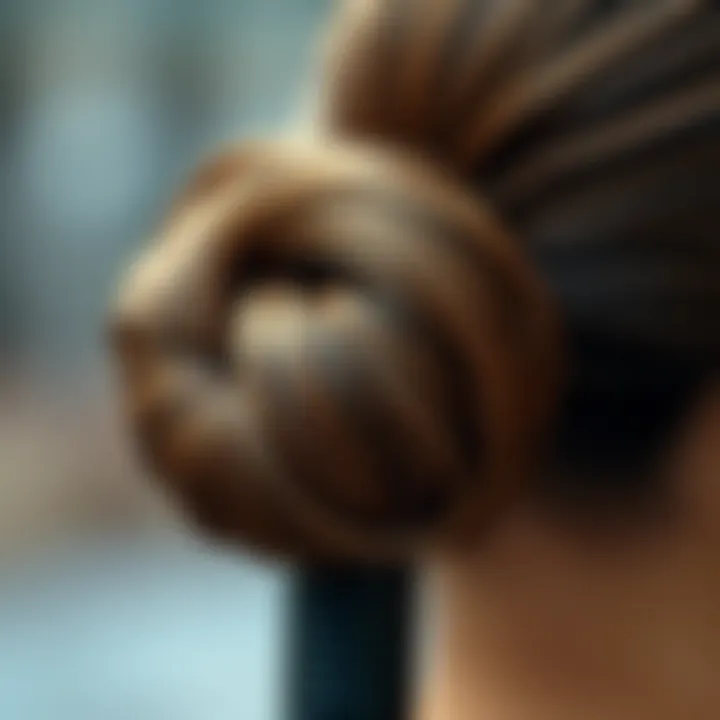
The versatility of the bun tool allows for a plethora of styles, making it a staple in the hairstylist’s kit or even in a casual home setting. Understanding the various types of buns that can be crafted not only expands one’s hairstyling repertoire but also enhances the functionality of the bun tool itself. Each bun type lends its own character and charm, ensuring that users can find a style suited for any occasion or mood. This section dives into the different types of buns achievable with a bun tool, focusing on classic styles, creative variations, and occasion-specific options.
Classic Bun Styles
Classic bun styles are timeless choices that have graced the heads of individuals from all walks of life. These styles are often straightforward yet elegant, making them perfect for both formal affairs and casual outings alike.
Sleek Bun
The sleek bun is an ultimate expression of elegance and efficiency. It showcases a smooth finish and tight structure, making it a popular choice for professional settings or formal gatherings. One of the key characteristics of the sleek bun is its ability to create a polished look, drawing attention to the face while keeping distractions at bay. This simplicity is a major benefit, allowing it to be a go-to style for countless individuals.
The unique feature of a sleek bun lies in how it is achieved—by carefully combing back the hair and securing it tightly with the bun tool. This minimizes the chances of stray hairs and ensures a clean appearance. However, some may find that the tighter nature of this style could lead to discomfort after prolonged wear.
Messy Bun
In stark contrast, the messy bun exudes a carefree vibe, perfect for casual everyday looks or laid-back gatherings. With its intentionally disheveled nature, this bun gives off an air of effortlessness. The key characteristic of the messy bun is its versatility; it can be styled in numerous ways, allowing for personal expression.
The beauty of the messy bun is how easily it can be created using a bun tool. The twist and pull technique creates volume and texture, making it ideal for those who prefer a more relaxed aesthetic. However, achieving the perfect balance between messy and chaotic can sometimes be challenging, as the style can easily misfire into something unkempt, rather than chic.
Creative Variations
Creative variations of buns open up a world of possibilities, pushing the traditional style boundaries and introducing unique elements that add flair to the final look.
Braided Buns
Braided buns combine the grace of buns with the intricacy of braids, offering a unique and visually engaging hairstyle. This style stands out because of its intricacy, often drawing admiration from onlookers. The characteristic twist of incorporating braids allows for a rich texture, making it a favored choice for special occasions or when one desires to stand out.
The unique feature of braided buns is their adaptability; one can manipulate the braid styles, whether it be a classic three-strand braid or a fishtail braid. This flexibility allows for the incorporation of personal flair, making each braided bun a distinct creation. On the downside, achieving the desired look might require more time and practice, especially for those less familiar with braiding techniques.
Double Buns
Double buns add a playful twist to an already popular style. Often referred to as “space buns,” they evoke a youthful and spirited vibe. The key characteristic here is their symmetrical placement on either side of the head, which not only allows for a whimsical appearance but also offers a pragmatic solution for keeping hair secure and out of the face.
The unique feature of double buns lies in their simplicity and ease of styling—especially when using a bun tool. Just sectioning the hair into two parts and using the tool to secure each side can yield quick results. However, since they typically suit younger demographics, some may feel they lack the mature elegance often sought in professional settings.
Occasion-Specific Buns
Selecting the right bun for specific occasions can elevate one’s overall styling game significantly. Knowing what works best for various events can enhance confidence and appearance.
Prom and Formal Events
For proms and formal events, buns can add a touch of sophistication essential for making a grand impression. They often lean towards more structured styles, such as sleek or braided buns, which align beautifully with evening gowns and sophisticated attire. The key characteristic for an occasion like this is elegance, providing the necessary uplift that complements formal wear.
Such signature styles often shine due to their attention to detail. While a sleek bun grants a refined look, braided buns can add a personal touch of artistry. However, it’s worth contemplating that a more intricate style might require additional time for perfecting, which needs to be factored into preparations.
Everyday Casual
An everyday casual bun embraces simplicity and comfort while ensuring a stylish appearance. Usually featuring more effortless styles like messy or double buns, these looks fit seamlessly into daily routines and activities, perfect for busy lifestyles.
The casual bun’s advantage lies in its quickly executable nature. A messy bun or low-slung double bun can be fashioned while getting ready in the morning without taking much of your time. Nevertheless, some may argue that they might not always evoke the professionalism desired in work settings or formal gatherings.
Ultimately, each type of bun achievable with a bun tool carries its unique advantages and caters to diverse needs. By recognizing these styles and understanding how to create them, individuals can elevate their hairstyling game and adapt effectively to any occasion.
Styling Tips for Using the Bun Tool Effectively
The bun tool offers a world of possibilities, making it imperative to grasp some essential styling tips. In this section, we will dive into preparation techniques, a step-by-step guide to achieving the perfect bun, and address common challenges that may arise during styling. By following these guidelines, you can ensure that your hairstyling experiences with the bun tool are both successful and enjoyable.
Preparation for Styling
Preparation is half the battle when it comes to effectively using the bun tool. Different hair types require tailored approaches, making this element a vital part of achieving the desired look.
Hair Type Considerations
Understanding one's hair type is crucial for maximizing the efficacy of the bun tool. For instance, thick and wavy hair can create a voluminous look, while fine, straight hair might need some extra help to avoid appearing flat.
- Key Characteristic: Thick hair often holds styles better due to its density, while fine hair can struggle with keeping a bun secure.
- Unique Feature: Knowing how to adapt your methods to your hair type can lead to improved results, such as using specific bobby pins or elastics that suit your hair's needs.
- Advantages/Disadvantages: Thicker hair might require more time to manage, but it also allows for creativity with styles. Conversely, fine hair can be easier to handle yet may need additional products to support volume and hold.
Using Styling Products
Incorporating the right styling products can significantly enhance your styling results. Products such as mousse or volumizing sprays play a significant role.
- Key Characteristic: Products can provide hold, shine, or texture, giving the hair adequate support throughout the day.
- Unique Feature: The right product can transform how your bun looks and holds. For example, a texturizing spray on straight hair can add grip and prevent slippage.
- Advantages/Disadvantages: While using too many products can weigh hair down, applying the correct amount of styling product contributes to a polished, professional-looking style.
Step-by-Step Styling Guide
Taking a methodical approach to styling makes the process smoother and more effective. This guide breaks down the crucial steps for using the bun tool with ease.
Creating Volume
Volume is essential, especially if you seek a bun that captures attention. It adds an element of drama and fashionability to your look.
- Key Characteristic: Volume creates fullness, which is often sought after when styling a bun.
- Unique Feature: Techniques like backcombing the roots or using a teasing comb can elevate the hair to enhance this crucial volume.
- Advantages/Disadvantages: While more volume might take extra time and requires some skill, the payoff is a striking look that stands out.
Securing the Bun
Securing the bun is equally important to ensure it lasts. Without it, all efforts in styling could slip away.
- Key Characteristic: The way you fasten your bun influences how secure it will be throughout the day.
- Unique Feature: Experimenting with different pin placements can often yield surprising results in durability. Using clear elastics for fastening can be a good strategy to maintain a sleek appearance.
- Advantages/Disadvantages: A poorly secured bun can lead to frustration, as it may unravel. Careful attention to this step, however, guarantees lasting confidence.
Troubleshooting Common Issues
No styling journey is without hiccups. Addressing common issues can save time and enhance your end result.
Slippage Prevention
Slippage is one of the most frustrating challenges when styling with a bun tool.
- Key Characteristic: A slip can occur due to hair texture, product overload, or incorrect securing.
- Unique Feature: Techniques like using non-slip hair ties or strategically placed bobby pins can help secure the bun more effectively.
- Advantages/Disadvantages: While some methods may add time, they ultimately lead to a more stable hairstyle, preventing repeated touch-ups.
Volume Maintenance
Keeping the volume intact can be challenging, especially in certain environmental conditions.
- Key Characteristic: Maintaining volume without falling flat can enhance the longevity of your bun.
- Unique Feature: Using lightweight hairspray or volumizing powders mid-day can help to reinvigorate your bun without weighing it down.
- Advantages/Disadvantages: Although this requires regular attention, ensuring your hairstyle remains voluminous can significantly elevate your overall look.
Cultural Significance of Buns
The bun is not just a hairstyle; it serves as a powerful symbol across different cultures worldwide. Understanding the cultural significance of buns enriches our appreciation of this hairstyle beyond aesthetics. Buns have been used to communicate a wide array of messages—from social status to religious beliefs. They often reflect the values and history of a community, showcasing how personal grooming styles intersect with social norms and traditions.
Symbolism in Different Cultures
Buns in Eastern Traditions
In Eastern cultures, particularly within Asian societies, buns are often infused with deep symbolism. A classic example is the Chinese Guanxia, a style of bun traditionally worn by women which represents purity and marital status. By wearing this hairstyle, women convey a respect for traditions and a commitment to family values.
The neatness and meticulous arrangement of these buns signify the importance placed on order and discipline in many Eastern cultures. Buns are not merely fashion statements; they can indicate the wearer's stage in life, from maidenhood to motherhood, and what role they play in their family and society. This meaningful connection between hair and identity makes buns a beneficial choice, as they encapsulate rich narratives about personal and collective history.
Advantages:
- Cultural Identity: Buns serve as a medium for expressing cultural identity.
- Versatility: The style adapts to various occasions while preserving its symbolic meanings.
Disadvantages:
- Societal Pressure: There may be pressure to conform to traditional styles, which can restrict personal expression.
Western Interpretations
In Western cultures, buns have evolved over time. Historically, buns were seen primarily as a practical hairstyle for working women during the World Wars. Nowadays, they encompass a range of styles, from the casual messy bun to the polished chignon.
One of the key characteristics of buns in Western interpretations is their occasional association with empowerment. Many women adopt bun styles to embody confidence and professionalism, especially in workplace settings. These variations can signal individuality while also serving as an accessible style solution for busy lives.
Winning factors for this hairstyle include its ease of maintenance and the seamless transition it provides from day to night wear. However, one drawback may be the inadvertent attachment to certain stereotypes—like the idea that a woman must have a bun to appear serious or competent.
Advantages:
- Accessibility: Easy to create, making it practical for many women.
- Evolution: Adaptable to current fashion trends, allowing for personal expression.
Disadvantages:
- Stereotypes: Misassociated with a lack of femininity or strictness in demeanor.
Buns as a Fashion Statement
The influence of buns transcends cultural boundaries, making them a strong fashion statement in today's world. They are consistently present on runways and in celebrity hairstyles, illustrating their positioning in modern aesthetics.
Celebrity Influences
Celebrities often play a pivotal role in shaping hairstyle trends, and buns are no exception. Stars like Ariana Grande have popularized high ponytail buns, turning simple styles into red-carpet-ready looks. The key characteristic here is the bun’s ability to complement a wide variety of outfits, making it a go-to choice for high-profile events. Celebrities demonstrate how this style can transcend age and ethnicity, appealing to a broad audience.
The advantage of this celebrity-driven trend lies in its global reach, allowing fans to emulate these looks with their bun tools. Yet, this influence has its thorns, as such trends may sometimes create unattainable beauty standards.
Advantages:
- Trendy: Offers a fashionable means for self-expression.
- Versatile: Works with different hair types and lengths.
Disadvantages:
- Unattainable Standards: A pressure to look perfect can be overwhelming for many.
Runway Trends
Runways have also embraced buns, showcasing intricate styles that can captivate audiences worldwide. Designers often incorporate textured buns and avant-garde variations, indicating a shift in haute couture toward clean, polished styles. This embrace of the bun speaks to its capability of merging simplicity with high fashion.
One notable characteristic of runway buns is their transformative quality—they can instantly elevate the aesthetic of a model. This versatility makes buns an essential part of contemporary fashion narratives, providing an exquisite contrast to flowing garments or dramatic ensembles.
However, one may argue that the emphasis on elaborate bun designs in high fashion can alienate everyday individuals who seek simplicity.
Advantages:
- Haute Couture: Represents the blend of elegance and modernity in fashion.
- Innovative: Offers designers a canvas for creative expression.
Disadvantages:
- Elitism: May be viewed as exclusive due to complexity and effort involved.
Understanding the cultural significance of buns enriches our appreciation not just for their aesthetic value, but also for the deep-rooted traditions and stories woven into the fabric of hair styling across the globe.
The buns, in their many forms, transcend personal grooming to become symbols of identity and social commentary, making them worthy of study and admiration.
Maintenance and Care of Bun Tools
Taking good care of your bun tools might sound trivial, but let me assure you, the benefits are vast. Keeping these tools in tip-top shape not only extends their lifespan but also ensures that they perform to the best of their abilities every time you style. A well-maintained bun tool can contribute positively to your overall hair styling experience, providing crisp and beautiful buns without the hassle of a poorly functioning tool. This section is dedicated to cleaning and storage protocols, ensuring your bun tools are always ready when you need them.
Cleaning Your Bun Tool
Proper cleaning is fundamental in caring for your bun tools. Neglecting this aspect could lead to a buildup of hair products and oils, leading to deterioration and less effective styling in the long run.
Material-specific methods
The cleaning approach largely depends on the material of your bun tool. Some tools are made from plastic, others from foam or fabric, and each requires a tailored cleaning strategy. For instance, if your tool is made of foam, a gentle wash with mild soap and lukewarm water is advisable. The spongy nature of foam doesn't handle harsh chemicals well, which makes this method successful while avoiding any potential damage. Alternatively, plastic tools can usually withstand a more rigorous cleaning with disinfectant wipes or a diluted vinegar solution, offering sanitation without wear and tear. Choosing the right material cleaning method not only preserves the functionality of the tool but also maintains hygiene—crucial for your scalp's health.
"Remember, a clean bun tool means a clean bun!"
Frequency of cleaning
Cleaning frequency can vary based on how often you use your bun tool. For regular users, a quick clean after every use is ideal, especially if you style your hair with products. This habit helps prevent residue from building up, ensuring each use is fresh. If you're more of a casual stylist, a good wash every week should suffice. Not cleaning regularly can cause tools to lose their grip, causing your buns to fall flat at the first sign of movement. It's also worth noting that a superficial clean may not be enough—be thorough to avoid long-term build-up that can affect performance.
Storing Your Bun Tool
Storing your bun tools correctly is just as crucial as cleaning them. Poor storage practices could lead to damage or misplacement, which can be quite frustrating during a busy morning routine.
Best practices for preservation
When it comes to preserving your bun tools, keeping them in a dedicated space can work wonders. Consider using a drawer or a styling caddy where they can rest without being squashed or tangled with other accessories. Another tip is to cover them with a cloth or a protective case to prevent any dust or moisture from getting onto them. This care can drastically prolong their usability. By preserving your tools properly, you ensure that they remain in excellent condition for that perfect hair day.
Organizing styling tools
An organized styling space can save you heaps of time and frustration. A clutter-free environment not only keeps your bun tools safe but also makes it easier to find them when needed. One popular strategy is to use a tiered organizer where each tool has its designated spot. This not only looks appealing but also streamlines your styling process. By effectively organizing your styling tools, you reduce the chances of misplacing any item and extend the life of each piece by avoiding unnecessary wear from rigorous handling during the search.
In summary, the maintenance and care of bun tools play a significant role in achieving hair styling success. Keeping them clean, storing them thoughtfully, and organizing your styling space can make a world of difference in your hair care routine.
Future Trends in Hair Styling with Bun Tools
The bun tool is not merely a passing fad; it’s a staple in modern hair styling that bridges tradition and innovation. As styles evolve, so does the technology and design behind hair tools, particularly the bun tool. This section delves into future trends that promise to transform how bun hairstyles are created and maintained, enhancing both functionality and user experience.
Technology in Hair Tools
Smart locks and bun tools
In recent years, smart technology has made a splash in various industries, and hair tools are no exception. Smart locks integrated into bun tools represent a significant leap forward. These locks can adapt to various hair types and styles, ensuring a secure fit for any bun configuration. The standout feature of these smart locks is their ability to sense hair density and adjust tension accordingly, which prevents slippage and discomfort.
The advantage of using smart locks in bun tools lies in their customizability. For instance, busy individuals can benefit from a tool that automates the pressure, ensuring that their bun stays intact all day without compromising style or comfort. However, the downside can be the complexity of technology. Some users may find that the learning curve associated with smart locks is higher than traditional tools, leading to some initial confusion.
Advancements in material design
Material technology is also paving the way for the evolution of bun tools. Innovations such as lightweight, yet durable composites are now utilized to create bun tools that are both user-friendly and efficient. Unlike traditional plastic or metal tools, these advanced materials can withstand higher levels of stress without bending or breaking.
The key characteristic of these advancements is their breathability and flexibility. A bun tool with breathable materials can allow airflow to the hair, reducing damage and promoting healthier styling. This can be especially beneficial for individuals who use hair styling tools regularly. However, one has to be cautious about the durability aspect; if the material is too flexible, it might lack the necessary firmness required for certain styles.
Sustainability and Fashion
As consumers become increasingly environmentally conscious, the fashion industry is following suit, paving the way for sustainable practices, particularly in hair tools. The future of bun styling is not only about aesthetics and efficiency but also about ensuring a positive impact on the environment.
Eco-friendly materials
The move to eco-friendly materials includes using biodegradable plastics and recycled components in the production of bun tools. This not only reduces the demand for new resources but also minimizes waste, making it a preferred choice for mindful consumers. The unique feature of such materials is their renewability, which plays a significant role in conserving the environment while offering high-quality performance.
While the benefits are clear, one drawback is the potential cost increase associated with eco-friendly materials. Consequently, consumers may find these products a bit pricier than their conventional counterparts, but the long-term environmental benefits can outweigh these initial costs.
Long-lasting designs
Sustainability doesn't just end with the materials; designs that promote longevity are essential as well. The trend is shifting toward creating bun tools that are built to last, reducing the need for frequent replacements. A noteworthy aspect of these designs is their repairability. Some brands are now offering replaceable parts for their bun tools, which can extend the life of the product significantly.
Opposingly, while such longevity-based designs save consumers money over time and contribute to a more sustainable lifestyle, the initial investment might scare some away. People often look for lower price points and might overlook the long-term savings of investing in high-quality, long-lasting tools.
In summary, the future of bun tools is set to be dominated by technological advancements and a strong commitment to sustainability. Hair stylists and conscious consumers alike are paying attention, ready to embrace these changes that align with modern styling needs and ethical considerations. As we look ahead, these trends will not only influence how we style our hair but also how we approach fashion and our environment.