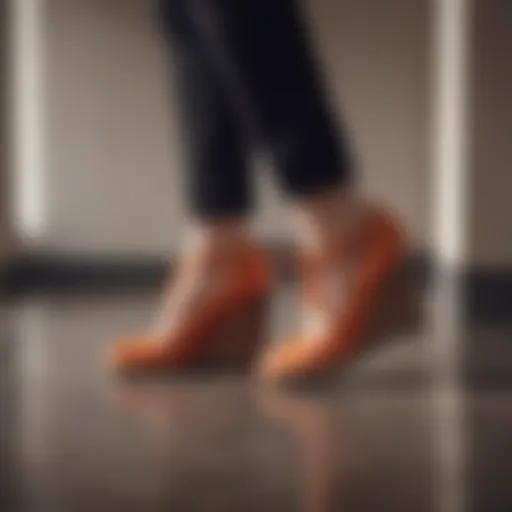
Exploring the Impact of Thick Heel Grip in Footwear
Intro
Within the realm of footwear design, thick heel grips have begun to carve out their own niche, combining functionality with a distinct sense of style. These grips offer more than just aesthetic appeal; they enhance comfort and stability in various footwear styles, from everyday shoes to high fashion heels. Understanding the significance of thick heel grips is essential for anyone immersed in the fashion industry, be they designers, influencers, or fashion writers. In this article, we’ll explore the many facets of thick heel grips, discussing their benefits, trends, and styles, while providing a well-rounded perspective on their role in modern footwear.
Fashion Trends
The landscape of fashion is constantly evolving, and thick heel grips are positioned at the intersection of function and trend. Emerging styles showcase how these grips can elevate both casual and formal looks.
Emerging Styles
Currently, runways are ablaze with designs that incorporate thick heel grips into various footwear. Chunky boots with substantial grips are all the rage, allowing for both bold style and practicality. Here are some notable emerging styles:
- Chunky ankle boots: Perfect for the transitional seasons, offering versatility and comfort.
- Platform sandals: These are again becoming popular, providing a blend of height and stability.
- Casual trainers: Thick grips in sneakers are making waves, lending an air of sophistication to casual wear.
Incorporating these styles into your wardrobe can show an acute awareness of current trends while maintaining comfort.
Seasonal Must-Haves
Different seasons bring unique footwear needs, and thick heel grips become essential in various contexts. Here’s a look at some must-have styles for each season:
- Spring/Summer: Brightly colored platform shoes with sturdy grips can turn heads while ensuring comfort.
- Autumn/Winter: Well-insulated chunky boots keep out the cold, while thick grips ensure you don’t slip on wet pavement.
This deliberate choice of footwear not only reflects aesthetic considerations but also a practical approach.
Timeless Fashion
While trends come and go, the concept of thick heel grips has shown remarkable staying power, marrying old styles with modern functionality.
Classic Pieces
Certain footwear styles never seem to fade from memory. Think of the classic pump—an evergreen staple that, with a thick heel grip, can offer both timeless elegance and modern-day comfort. Boots, especially those with thick grips, are typically included in discussions about timelessness. They possess an ability to seamlessly transition between casual and formal settings, making them integral in any wardrobe.
Styling Tips
To maintain relevance while rocking classic pieces, it’s essential to align them with more contemporary trends. Here are a few tips for blending thick heel grips with modern clothes:
- Pair classic pumps with tailored trousers for an office-appropriate yet chic look.
- Style chunky heels with ankle-length dresses to maintain a balanced silhouette.
- Mix and match textures; a suede thick heel can add depth to a leather outfit.
Always remember, confidence in your chosen footwear can elevate your overall appearance, making even the simplest of styles look remarkably chic.
"Incorporating functionality into aesthetics is the magic wand of contemporary fashion design."
As we venture further into the multifaceted world of thick heel grips, we'll dive deeper into more intricate details, analyzing their technical components and how to choose the right grip for any occasion. The essence of style lies in both comfort and design, with thick heel grips serving as a perfect embodiment of this ethos in footwear fashion.
Foundation of Footwear: The Role of Heel Grip
The heel grip plays a vital role in the foundation of footwear, acting as the unsung hero behind both comfort and stability. For those who may overlook the significance of this element, it can make or break the overall user experience when wearing shoes. Not only does the heel grip provide a secure fit, but it also impacts the way shoes perform during various activities. This exploration into heel grips encourages shoe enthusiasts and designers alike to appreciate the intricate balance of design, comfort, and style they bring to the table.
Anatomy of the Heel
To appreciate the impact of heel grip, one must first understand the anatomy of the heel itself. The heel, in simple terms, is the posterior portion of the foot where load bearing occurs, providing support and stability. Generally, a thick heel offers a more substantial surface area and can disperse body weight across the foot more evenly. This not only lessens stress on certain pressure points but also aids in promoting better posture.
When examining the anatomical structure, we see that the heel consists of bones, joints, ligaments, and tendons. The calcaneus bone, or the heel bone, is the largest bone in this area; it serves as the foundation for the heel’s mechanics. Additionally, various soft tissues surround this bony structure, cushioning impacts and facilitating movement. Essentially, a well-constructed heel grip ensures these components work harmoniously together.
Definition of Heel Grip
Heel grip can be defined as the mechanism within footwear designed to hold the heel securely in place. This grip encompasses both the material and structural elements that ensure a snug fit. A good heel grip minimizes slippage that can lead to blisters or discomfort, allowing the wearer to move confidently and freely. In essence, it's about creating a seamless union between the foot and the shoe, one that maximizes both performance and style.
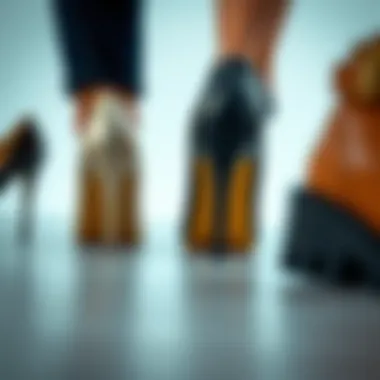

With advancements in technology, heel grip has evolved beyond just its basic function. Modern designs incorporate features such as gel cushioning or contoured shaping to enhance the user's experience. Therefore, heel grip is not merely a function; it’s a nuanced aspect of footwear that can significantly influence a person’s overall comfort and confidence.
Importance in Shoe Design
The importance of heel grip in shoe design cannot be overstated. It serves as a crucial feature in various types of footwear, from athletic shoes to high-fashion heels. Designers must consider heel grip to strike a balance between aesthetics and functionality. An appealing shoe with a poorly designed heel grip can turn even the most fashion-savvy individual into a foot-wreck.
Here are some considerations for designers:
- Performance Needs: In sports shoes, for instance, a robust heel grip can enhance performance, providing the necessary support for activities like running or jumping.
- Fashion Trends: The aesthetic aspect of heel grip also cannot be ignored. As trends shift, heel grips can add visual interest while still fulfilling their basic function.
- User Comfort: Consumer feedback has made it clear that comfort is king. Shoes that incorporate thoughtful heel grips often receive higher praise.
"The devil is in the details, and in the world of footwear, heel grip is one of those details that can elevate (or sink) an entire shoe line."
Characteristics of Thick Heel Grips
Thick heel grips have garnered notable attention within the footwear industry due to the distinct features they offer. Understanding these characteristics provides insights into their essential role not just in the comfort and functionality of shoes, but also in the overall aesthetic appeal. By delving into the nuances of material variances, structural design, and visual impact, readers can appreciate the multifaceted advantages thick heel grips bring to modern footwear.
Material Variations
The choice of materials in thick heel grips can make a striking difference in how footwear performs. Various materials serve distinct purposes, ranging from durability to comfort.
- Rubber: This common material is favored for its adaptability and shock-absorbing qualities. Shoes with rubber heel grips can provide superior traction, making them ideal for daily wear.
- Polyurethane: Known for its lightweight characteristics, polyurethane can mold to the foot's shape, offering a personalized fit. This material is often seen in athletic footwear, where movement is critical.
- Leather: Often associated more with style than functionality, leather heel grips can enhance the overall look of formal shoes while adding a certain level of rigidity and support.
Different brands often experiment with hybrids of these materials or specialty blends to push the envelope on comfort and durability.
Structural Design Features
The design features of thick heel grips play a pivotal role in how well they perform under varying conditions. Some notable elements include:
- Wedge Shapes: These grips are often designed with a slight incline which helps shift weight towards the front of the foot, promoting better posture.
- Textured Surfaces: Brands frequently incorporate textures that can improve grip and prevent slipping, which is particularly essential in high-heeled designs.
- Height Variation: Different heel heights cater to diverse style needs and personal preferences, allowing individuals to select grips that complement their unique needs while still meeting ergonomic requirements.
The seamless integration of these features not only enhances performance but elevates the overall walkability of the footwear.
Visual Impact
Aesthetic appeal must not be overlooked when considering thick heel grips. Visual impact is two-fold:
- Color and Finish: Brands often employ varied color palettes and finishes that can either stand out or subdue, catering to a wide range of fashion senses. From bold reds to subtle earth tones, the finish can define a shoe's entire personality.
- Silhouette Shape: The shape of a thick heel grip affects the overall silhouette of the shoe, influencing both comfort and style. Styles that boast wider grips not only provide stability but also incorporate a trendy feel, aligning with current fashion trends.
Moreover, these visual elements allow consumers to cultivate their personal style while ensuring functionality.
"When selecting shoes, one must appreciate the delicate balance of comfort and style that thick heel grips can provide."
Comfort and Functionality
In the landscape of footwear, comfort and functionality are not just complementary features—they are the very foundation on which lasting design is built. Thick heel grips are critical to achieving this relationship. By focusing on how they enhance the user's experience, we can appreciate their centrality in shoe design. An effective thick heel grip does more than hold your foot in place; it provides the necessary support that contributes to a seamless walking experience.
Ergonomics of Thick Heel Grips
Ergonomics is the study of people’s efficiency in their working environment. When applied to footwear, especially those featuring thick heel grips, the ergonomic aspect becomes paramount. A well-designed heel grip aligns with the natural contours and movements of the foot. This attention to detail helps to minimize strain and maximize comfort, essential for daily wear.
When selecting shoes, one should look for grips that not only fit snugly but also allow for natural foot expansion. Well-placed thick heel grips create the right angles for the heel and arch, promoting proper posture and reducing discomfort. A pair of shoes, for instance, made with an ergonomic grip can feel like a conversation between your foot and the shoe, ensuring that every step is firmer and more stable.
Shock Absorption Principles
The function of thick heel grips extends into shock absorption, a crucial element for any footwear aiming for both comfort and functionality. The materials used in creating these grips play a pivotal role in how well they absorb impact from each step.
Most modern thick heel grips are made from advanced foams or composite materials designed specifically for this purpose. They offer a cushion-like effect that disperses the shock, reducing the jarring sensations felt in the body when walking or running. Here’s why shock absorption ought to be prioritized:
- Prevention of Injury: A good heel grip can significantly decrease the risk of injuries like plantar fasciitis or stress fractures.
- Enhanced Comfort: Walk for hours without feeling the wear—shock-absorbing materials translate to lighter steps.
- Improved Performance: Athletes, especially, benefit from shoes with thick heel grips that minimize energy loss during their activity.


Stability in Movement
Movement stability is yet another realm where thick heel grips shine. A shoe that doesn’t provide adequate grip often leads to slippage or awkward foot movements, which can not only be uncomfortable but dangerous.
Thick heel grips help create a steady base, ensuring that as your foot strikes the ground, the weight is evenly distributed. This is critically important for activities ranging from daily walking to intensive sports. When one’s weight is properly balanced, the risk of falls decreases significantly, allowing for more confidence in movement.
Moreover, a stable heel grip offers the flexibility needed when turning or shifting weight during various activities—be it a quick dart across the street or pivoting during a game. The right heel grip acts like a safety net, catching your foot and guiding it back into position, making every transition as smooth as butter.
"The hidden importance of a thick heel grip lies in its ability to seamlessly blend comfort with active support that accounts for daily wear and tear on the body."
In summary, the comfort and functionality derived from thick heel grips are more than just perks; they are essentials. Whether we are talking about casual footwear or specialized shoes for sports, the right design choices are what lead to better experiences and healthier feet.
Thick Heel Grips in Fashion Trends
The realm of fashion is ever-evolving, and thick heel grips play a notable role in that dynamics. It’s not just about the aesthetics; these grips embody comfort and stability while delivering a visual statement. Understanding their significance in fashion trends can offer insights into consumer choices and the direction of footwear design.
Evolution of Styles
Thick heel grips have undergone remarkable transformations through the years. From the chunky styles of the 70s disco era to the sleek, elegant variations seen in today’s couture, each phase reflects societal preferences and practical considerations. Initially, the thicker heel was favored for its stability, particularly in platforms, allowing wearers to dance the night away without wobbling. As time progressed, designers began to blend thick heels with various styles, from casual to formal. Today, one can find thick heel grips not only on trendy block heels but also integrated into athletic footwear, providing both fashion and function without skipping a beat.
Seasonal Trends and Adaptations
Fashion trends are often dictated by the seasons, and thick heel grips adapt remarkably well to these shifts. Each year, spring and summer collections introduce fresh patterns and vibrant colors; thick heel grips offer a sturdy base for those lively new looks. In autumn and winter, they transition into more subdued tones, often seen paired with richer fabrics and textures. Thus, these grips are not just a seasonal object but rather an essential element of any wardrobe. Designers consider the functionality of a thicker grip, as it aids in walking on unpredictable weather conditions, particularly in slippery or wet climates, without compromising style.
Cultural Influences on Design
Cultural contexts heavily inform trends in design, and the thick heel grip is no exception. In some cultures, thicker heels symbolize strength and resilience. For instance, traditional attire in many countries often incorporates elevated heels that provide both stature and grace. Over time, this symbolism has been embraced and reinvented by modern designers. The intersection of cultural heritage and contemporary fashion fosters a unique space where thick heel grips are utilized to convey not just aesthetic beauty but also cultural significance.
"Fashion should be a form of escapism, and not a form of imprisonment. Thick heel grips allow for liberation and comfort in style."
For more on the aspects of design and fashion psychology, visit reliable resources such as Britannica or check industry insights on reddit.
Psychological Aspects of Wearing Thick Heels
Wearing thick heels goes beyond mere aesthetics; it intertwines deeply with the psychological fabric of the wearer. Understanding these psychological aspects is crucial in comprehending why so many individuals gravitate towards this specific footwear choice. It speaks volumes about their self-perception, societal influences, and even cultural dynamics. Thick heel grips serve up a cocktail of factors that heighten mood, boost confidence, and frame social interactions. Let’s peel back the layers and dissect two pivotal psychological elements: perceptions of height and confidence, along with the associations tied to power and femininity.
Perceptions of Height and Confidence
Height has long been linked to confidence, often framing our initial impressions and interactions. When stepping into a pair of thick heels, one immediately alters their stature, which can create an empowering shift in posture and mindset. Research has highlighted that individuals who feel taller tend to exhibit greater confidence, which plays out in various contexts—be it negotiations in the boardroom or mingling at social gatherings.
- Boosts Posture: Thick heels encourage an erect posture, leading to non-verbal cues often associated with confidence.
- Elevated Visibility: Being taller can draw attention, making wearers feel more prominent in crowds.
- Psychological Impact: The psychological association between height and leadership or attractiveness can lead to an enhanced sense of self-worth.
It's genuinely fascinating to witness how putting on thick heels can affect how a person walks into a room and commands presence. This phenomenon doesn't merely influence personal interactions; it can also alter one’s perceptions about themselves long after they’ve partaken in their elevated escapade.
Association with Power and Femininity
The interplay between footwear and gender roles cannot be overstated when discussing thick heels. Thick heel grips encapsulate a blend of femininity, strength, and authority. Historically, certain styles—like stilettos—have been branded as symbols of sensuality. However, thick heels present a paradigm where power meets style without sacrificing comfort or stability.
- Symbolism of Strength: Thick heels can project an image of resilience and capability without the impracticality of a thinner style.
- Cultural Resonance: In various cultures, women opt for thicker heels as a means of asserting their presence and identity, balancing femininity with an undeniable edge of strength.
- Empowerment in Fashion: Wearing thick heels has become a statement of empowerment, challenging outdated norms around what it means to be feminine and powerful at the same time.
"Fashion is an instant language." — Miuccia Prada. The clothes we wear, and indeed the shoes, convey messages before we even open our mouths. Thick heels are no exception.
Practical Considerations for Consumers
When exploring the world of thick heel grips, it becomes essential to address practical considerations for the average consumer. Each aspect plays a pivotal role not just in aesthetics but also in functionality, ensuring that shoes with thick heel grips meet both style and comfort needs. This section will lay out the key factors to consider when selecting, maintaining, and assessing footwear, particularly those with thick heel grips.
Selecting the Right Fit


Choosing the right fit is akin to finding the missing piece of a puzzle. A well-fitted shoe serves as the foundation of comfort and stability. Thick heel grips can vary widely across brands and models, making it crucial to try on different styles before making a purchase. Here’s what to keep in mind:
- Heel Height and Width: Pay close attention to the dimensions. The heel should cradle the foot and not feel too tight or loose.
- Arch Support: Look for grips that match your foot's arch. Some people may need more support in certain areas.
- Toe Room: Ensure that your toes have enough space, as squished toes can lead to discomfort during wear.
- Material Flexibility: Soft materials allow for a better fit as they adapt to your foot shape over time.
Engaging in a little foot gymnastics can help too—walk around in the shoes for a good few minutes before making that final call.
Maintenance Tips for Longevity
Keeping your thick heel grips in top condition requires a little TLC. Just like you wouldn’t ignore a car that’s starting to sputter, shoes need their share of maintenance to prolong their usability. Here are some handy maintenance tips:
- Cleaning: Regular cleaning helps maintain not only the aesthetics but also the integrity of the materials used. Use a damp cloth and mild soap for most materials.
- Proper Storage: Store shoes in a cool, dry place. Avoid stacking heavy items on top as it may distort their shape.
- Protective Sprays: Utilize water and stain repellents to extend the lifespan of your shoes. This shields them from dirt and moisture damage.
- Rotate Your Footwear: Don’t wear the same pair two days in a row. This gives them a day to breathe and keeps the materials from breaking down too quickly.
Being proactive with maintenance can save a pretty penny in the long run.
Assessing Quality in Craftsmanship
Quality isn't just a buzzword—it's the backbone of a good purchase. When assessing thick heel grips, consider the craftsmanship as invaluable to your buying decision. A shoe’s construction not only impacts durability but also comfort and performance. Here’s what to concentrate on:
- Stitching: Check the seams closely. Tight, even stitches indicate strong construction, while loose threads scream for a quick exit.
- Material Quality: Understand the materials used. Opt for genuine leather or high-grade synthetics, which can withstand wear and elements better than cheaper alternatives.
- Sole Integrity: Evaluate how well the sole adheres to the upper part. A secure bond means less chance of separation down the road.
- Brand Reputation: Research brands that are well-known for quality craftsmanship. Reading reviews on platforms like Reddit or checking their ratings on Facebook can provide insights.
"When it comes to footwear, investing in quality can often pay dividends in comfort and durability."
Taking these practical considerations into account can transform the consumer experience. Well-informed decisions allow one to enjoy all the benefits that thick heel grips have to offer, elevating not just style, but comfort and longevity too.
Further Reading: Consider checking out resources such as Wikipedia for more insights on footwear materials or reliable reviews on Reddit for real-world user experiences.
The Future of Thick Heel Grip in Footwear
The trajectory of thick heel grip in footwear extends beyond mere aesthetics; it encompasses innovations, practicality, and a response to evolving consumer expectations. The integration of these grips defines the shoes of tomorrow—ensuring comfort and operational efficiency while tapping into fashion trends that resonate with diverse demographics. By taking a closer look at future developments, we see the potential paths ahead for designers, consumers, and market trends.
Innovations in Design Technology
The advancements in design technology are bound to revolutionize thick heel grips. Today, designers are relying on computer-aided design (CAD) to create more precise and tailored grips that improve performance and comfort. Innovative materials, such as smart foams and high-performance polymers, are already being experimented with, offering enhanced shock absorption and durability.
- Adaptive Materials: These materials respond intelligently to the wearer's movement and weight, thus providing custom support and cushioning.
- 3D Printing: This technique allows for intricate, bespoke designs that can be mass-produced, maintaining quality while reducing waste.
As technology evolves, we can expect designs that not only prioritize comfort but incorporate aesthetic elements inspired by biomimicry—shapes and forms derived from nature that signify both strength and elegance. Advanced manufacturing techniques will reshape how these grips are created, eliminating inefficiencies while maximizing the variety available to consumers.
Sustainability Concerns and Solutions
Sustainability is steadily taking center stage in the conversation surrounding footwear design. As consumers grow increasingly aware of their ecological footprint, the demand for environmentally-conscious choices is soaring. The future of thick heel grips must align with sustainable practices to stay relevant in an ever-changing market.
- Eco-Friendly Materials: Various brands now explore biodegradable alternatives and recycled substances to construct heel grips, ensuring they leave a minimal environmental impact.
- Circular Economy Initiatives: Implementing programs that encourage the return and recycling of worn footwear plays a pivotal role in reducing waste.
These solutions showcase not just a pivot towards responsible design, but also a direct response to consumer values, offering a win-win for both brands and customers. As brands prove their commitment to sustainability, they also capture the loyalty of an increasingly discerning audience.
Emerging Brands and Market Trends
The market for thick heel grip footwear is continually evolving, with new brands emerging that challenge traditional norms and aesthetics. Startups focused on niche markets are making a splash by introducing unique designs tailored to specific consumer needs. These fresh contenders tend to focus on a blend of innovation and community feedback, capturing market segments that established brands might overlook.
- Customization: Many rising brands focus on offering bespoke designs, allowing consumers to personalize their thick heel grips according to their style and comfort preferences.
- Lifestyle Integration: The intersection of fashion and functionality remains a critical theme, with emerging brands often producing footwear designed for hybrid uses—whether it’s for a day at the office or a night out.
Through keen market observance, influencers and stylists can capitalize on these trends and advocate for brands that resonate with their audiences, blending personal style with innovative products.
Overall, the future holds promise for thick heel grips; as innovations unfold, sustainability gains momentum, and new brands rise, what was once a footnote in footwear design is steadily becoming a focal point for both aesthetics and functionality.
Closure
The conclusion of this exploration into thick heel grip serves as a pivotal reminder of its multi-faceted significance within the realm of footwear design. Rather than being merely an afterthought, thick heel grips emerge as key players in the balance of comfort, functionality, and style. The thoughtful integration of these grips into shoe architecture not only addresses practical concerns, such as stability during movement, but also caters to the aesthetic aspirations of fashion-forward consumers.
Reflection on Thick Heel Grip's Impact
A reflection on the impact of thick heel grips reveals several key considerations:
- Enhanced Comfort: Thick heel grips generally provide a cushioning effect that noticeably improves comfort levels, especially during extended wear. Shoes designed with these grips can alleviate pressure on the feet, allowing for smoother, more enjoyable strolling.
- Stability and Control: The structural design of a thicker heel grip aids in maintaining balance, particularly on uneven surfaces. This is especially important for individuals who may navigate through varied terrains in their day-to-day travels.
- Fashion Statements: Beyond functionality, thick heel grips have transcended purely practical applications to become fashion statements. They are increasingly embraced in various styles, allowing wearers to express personal style while enjoying the functional benefits. The right thick heel grip can elevate a seemingly mundane shoe into a head-turning piece of footwear that resonates with contemporary trends.
- Cultural Resonance: The design elements of thick heel grips often draw inspiration from broader cultural currents, thus connecting them to various movements within fashion. This interplay between culture and shoe design influences consumer choices, as individuals seek products that not only serve a purpose but also reflect their identity and values.