Incorporating Pampas Grass in Stylish Vase Arrangements
Intro
In the realm of interior design, the choices we make in decor can impact the ambiance of a space significantly. One such element that has taken center stage in recent years is pampas grass. Known for its feathery plumes and striking appearance, this plant offers both aesthetic and functional benefits when used in vase arrangements. Beyond just being a pretty addition, pampas grass carries historical weight and a sense of natural elegance that has captured the hearts of many design enthusiasts.
Why should one consider the role of pampas grass specifically? It transcends seasonality and is versatile enough to complement various themes, ranging from minimalistic to bohemian. Thus, knowing how to effectively integrate this stunning grass into your vase arrangements can elevate your decor, adding texture and depth that other floral choices might not provide.
This article will outline the different facets of using pampas grass in vase arrangements. It navigates through styling tips, maintenance considerations, and the myriad of vases available that can be paired with this magnificent plant. By understanding the nuances of pampas grass, readers will not only learn how to style it beautifully but also how to maintain its integrity over time.
Understanding Pampas Grass
Pampas grass is more than just a decorative plant; it holds a key role within the scope of floral arrangements, particularly when utilized in vases. Its significance stretches far beyond its striking appearance, encompassing elements of functionality, aesthetic appeal, and environmental consideration. Comprehending the nuances of pampas grass enables designers and enthusiasts alike to appreciate its diverse application in both modern and traditional settings.
Botanical Characteristics
Pampas grass, known scientifically as Cortaderia selloana, showcases tall, feathery plumes that can reach heights of over ten feet. This grass has a distinct flowering habit and is recognized for its stunning, plume-like flower heads which emerge as fluffy, silvery-white or creamy beige tufts. These striking features render it a favored choice for creating dramatic silhouettes in vase arrangements.
- Texture: The soft, feathery texture brings warmth and organic richness to any space, creating a contrast against more rigid materials.
- Color Variations: While most popular in its natural hues, pampas grass can also be dyed in various shades, allowing for even greater versatility in decor.
- Longevity: This grass is well-loved for its longevity; once dried, pampas grass can endure as part of a floral arrangement for many months, if not years, with minimal maintenance.
Origin and Habitat
This plant is native to the grasslands of South America, specifically the Pampas region, which explains its name. Found predominantly in Argentina, its vast habitat stretches to Uruguay and Brazil. Its adaptability to various environments, especially those with well-drained soils and abundant sunlight, has allowed it to thrive extensively.
- Cultivation: Pampas grass thrives in coastal regions and is often found along riverbanks. Its natural hardiness means it can withstand a range of temperatures, which makes it suitable for outdoor landscaping as well as indoor arrangements.
- Invasiveness: However, it is worth noting that in some regions, pampas grass has been considered invasive due to its aggressive growth patterns. This has led to stricter regulations on its planting and use in some areas, necessitating responsible sourcing and selection when incorporating it into decorative plans.
Sustainability and Environmental Impact
When discussing pampas grass, it’s essential to weigh its environmental ramifications. On one hand, its rapid growth supports local ecosystems by providing shelter and food for various species. On the other hand, its classification as an invasive species, where inappropriate, can lead to ecological imbalance in local flora.
- Responsible Sourcing: Encouraging sustainable practices, such as sourcing pampas grass from certified growers who practice responsible land management, mitigates potential negative impacts on biodiversity.
- Aesthetically Pleasing and Eco-Friendly: Using pampas grass in vase arrangements can be seen as a commitment to sustainable design, provided that it is harvested ethically. Its minimal requiremments for water and care can be a boon for eco-conscious decorators.
"In the realm of home decor, the elegance of pampas grass goes hand-in-hand with environmental stewardship, creating beauty without sacrificing the planet's health."
Overall, understanding pampas grass thoroughly not only enhances its aesthetic application but also fosters a greater respect for its role in nature, encouraging a more thoughtful approach to decor that harmonizes with our environment.
Historical Context of Pampas Grass
The historical context of pampas grass is a fascinating tapestry woven through different cultures and eras. Understanding its journey from the wild landscapes of South America to contemporary vase arrangements illuminates its emotional and aesthetic significance. For centuries, pampas grass has played a role that transcends mere decoration. Its journey tells the story of human creativity, cultural adaptation, and the evolving interface between nature and art.
Cultural Significance in Various Societies
Pampas grass, with its feathery plumes and insistent presence, often finds itself at the heart of cultural expressions across regions. In certain Indigenous cultures of South America, pampas grass is not merely a plant but a bearer of tradition. It has been used in local crafts, weaving, and practical tools, showcasing the deep-rooted connection people have with their natural surroundings. The gauchos, who roam the Argentine pampas, have included this versatile grass in their folklore and daily lives.
In contrast, in the Western world, the plant's aesthetic appeal became widely appreciated in the late 20th century. Its use as a decorative element in various artistic movements, including the bohemian style of the 1960s and 1970s, further cemented its cultural significance. The resurgence of its popularity in recent years points to a cyclical appreciation, where traditions blend seamlessly with modern trends, making pampas grass a versatile icon in design aesthetics today.
"Cultural artifacts often reflect the values and aesthetics of the societies that create them."
Historical Uses in Decor
Historically, the utilizations of pampas grass in decor reveal a rich narrative. In the late Victorian era, its tall plumes were a popular choice for extravagant arrangements, filling spaces in grand parlors and adding height and softness to interiors. These arrangements represented sophistication and grandeur, a trend that echoed the broader cultural movements of the time, where nature was revered and sought after in home decor.
As we moved into the 20th century, especially post-war, pampas grass found its niche in minimalistic settings. Its airy, light look paired beautifully with the clean lines of mid-century modern furniture, making it a favorite among designers who sought to evoke tranquility and simplicity. Today, this plant is once again gracing homes around the globe, adapting to various stylistic influences while maintaining its historical allure.
In summary, the historical context of pampas grass is rich and layered, beautifully highlighting its cultural significance and practical applications in decor across different periods. As we explore its roles today, we are reminded of this plant’s capacity not only to enhance aesthetic appeal but also to bridge generations and cultures.
Pampas Grass in Modern Decor
Pampas grass stands as a striking addition to contemporary interiors, with its feathery plumes adding a touch of elegance and softness that many modern spaces crave. The plant’s tall stature and delicate texture create an ideal visual contrast against the clean lines and minimalist aesthetics predominant in today’s design trends. This section delves into the current trends in interior design featuring pampas grass along with its integration into various styles, providing insights into how this natural element harmonizes with diverse decor themes.
Current Trends in Interior Design
In recent years, tactile and organic elements have made a comeback in modern decor, leading to a renewed appreciation for plants, especially pampas grass. The trend towards creating indoor jungles, where greenery plays a significant role in wellness and aesthetics, has pushed pampas grass into the limelight. Designers and stylists are layering textures using pampas grass not just in vases but also as standalone decor pieces.
Integration with Various Design Styles
Bohemian
Bohemian decor celebrates individuality and creativity. Its characteristic laid-back vibe encourages mixing various patterns, colors, and textures, making pampas grass a fitting companion. The unique, oversized plumes of pampas grass can infuse an uninhibited charm into the arrangement. This whimsical quality generates a lightheartedness that harmonizes well with vibrant textiles and eclectic art pieces. While pampas grass typically has a neutral palette, its ability to complement or contrast against varied colors makes it a versatile choice in boho spaces.
Minimalist
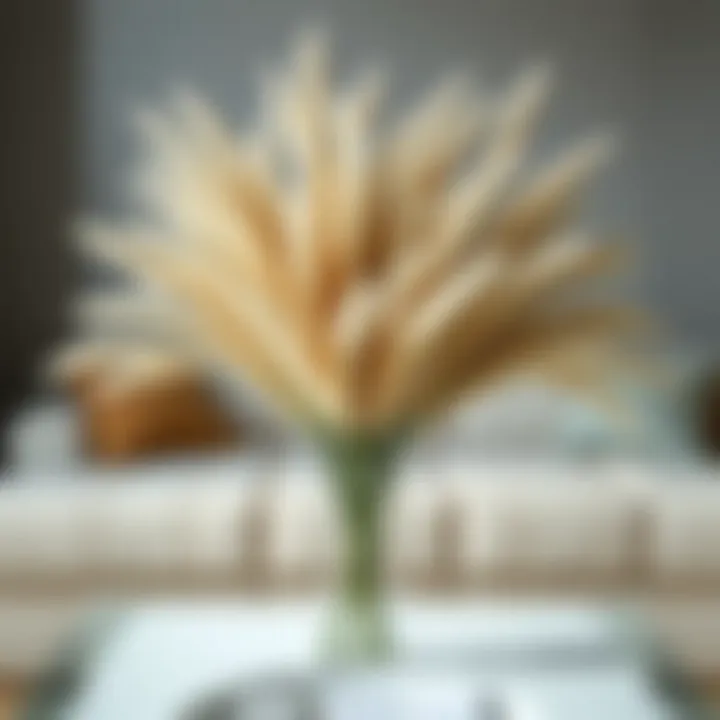
Minimalism revolves around simplicity and functionality, focusing on emphasizing the essentials. Pampas grass, used sparingly in neutral or muted color vases, aligns beautifully with this approach by adding depth without overwhelming. The large, airy plumes can offer a refreshing visual contrast against stark backdrops. The elegance of a single stem in a sleek glass vase showcases both the beauty of the plant and the principles of minimalist design. However, care must be taken to prevent overcrowding with multiple vases to maintain the uncluttered aesthetic often sought in minimalist spaces.
Industrial
The industrial style emphasizes raw materials, often showcasing metal, brick, and concrete. Pampas grass can provide a natural softness that contrasts nicely with the harder elements typical in industrial design. Whether arranged inside a distressed metal vase or an aged terracotta pot, pampas grass adds an organic touch, breaking up the starkness of metal and concrete surfaces. The juxtaposition of soft and hard materials creates a dynamic visual balance that enhances the industrial theme. Despite its elegance, pairing pampas grass with a rugged environment underscores the harmony of nature within an industrial context.
Rustic
Rooted in the charm of the countryside, rustic decor embraces natural materials, warmth, and homeliness. Pampas grass, with its soft textures and neutral hues, finds a comfortable place among weathered woods and vintage accessories. It can be artfully arranged within farmhouse-style vases to evoke a sense of comfort and coziness. The natural look of pampas grass complements the rustic aesthetic, evoking feelings of tranquility and connection to nature, although overuse could risk overwhelming the space with clutter.
Pampas grass offers adaptability across design styles, allowing it to fit effortlessly into modern decor.
As seen, pampas grass plays an integral role in modern decor, aligning with trends and enhancing diverse design styles. By understanding how to incorporate this striking element, decorators and homeowners can transform their spaces into visually appealing and sophisticated environments.
Choosing the Right Vase for Pampas Grass
Selecting the suitable vase for pampas grass is more than just a matter of preference; it can drastically influence the overall aesthetic and longevity of your arrangement. Given the unique characteristics of pampas grass, particularly its feathery plumes and height, certain vase types complement its natural beauty better than others. Understanding aspects like materials, shape, size, and color theory is crucial in crafting a stunning look that harmonizes with your decor.
Materials and Their Impact on Aesthetics
When it comes to choosing the right vase material, it's essential to consider how each type interacts with the lush form of pampas grass. Each material carries its own distinct vibe, making it vital to match the vessel with your intended design.
Glass
Glass vases are a popular choice as they provide a transparent, elegant foundation for pampas grass. They allow the viewer to appreciate the delicate structure of the plumes while contributing a clean aesthetic. The key characteristic of glass is its versatility; it can suit various interior designs — from modern minimalism to bohemian charm. One standout feature is the ability to showcase water when using fresh pampas grass, adding a refreshing element to the display. However, they can be prone to breakage, which is a consideration for households with children or pets.
Ceramic
Ceramic vases bring a rustic and timeless feel to arrangements. With their array of textures and glazes, they can create a warm contrast to the cool tones of pampas grass. Their unique feature is the capability of retaining warmth, which can be beneficial for dried arrangements in cooler spaces. Additionally, ceramic is sturdy, minimizing the risk of accidental tipping. On the downside, the weight of ceramics can limit placement options on shelves or higher furniture where lightweight materials work better.
Wood
Wooden vases introduce an organic touch and bring a sense of warmth that metallic or glass vessels can sometimes lack. Their key characteristic is the natural grain, which complements the earthy colors of pampas grass. Wood is especially appreciated for its durability and the rustic aesthetic it brings. It adds texture to a space, creating an inviting atmosphere. The main downside would be osmosis, as untreated wood might absorb moisture, potentially leading to decay over time.
Metal
Metal vases often have a sleek, modern look that can play well with pampas grass' soft lines. The key characteristic of metal is its strength; it can hold larger bouquets without fear of tipping. They are also resistant to water damage, which can be advantageous for fresh arrangements. However, metal can reflect a coldness in aesthetic, so it's crucial to pair it thoughtfully with other elements in your space. Certain finishes may also be prone to scratches or dents, potentially detracting from their appeal over time.
Shape and Size Considerations
The shape and size of the vase can significantly affect how pampas grass is perceived in a room. Tall, slender vases can accentuate the height of the plumes, drawing the eye upward and creating the illusion of greater vertical space, which is ideal for smaller rooms. Alternatively, wider bases give a fuller appearance and can provide a more substantial statement in a larger area. Balancing these shapes against the size of the pampas grass is key to achieving harmony in your design.
Color Theory in Vase Selection
Color choice in vase selection can either enhance or detract from the pampas grass. Neutral tones like whites, creams, and soft browns allow the natural beauty of the grass to shine, while bold colors can create a striking contrast. For instance, deep blues or greens can highlight the soft whiteness of the plumes, whereas a pastel palette can offer a more subtle look. Additionally, using textured or patterned vases can contribute layers of interest, captivating onlookers without competing with the grass itself. Choosing wisely here enriches your overall decor!
The careful consideration of vase type, shape, and color can elevate your pampas grass arrangement from simply decorative to a stunning focal point in your space.
In summary, picking the right vase for pampas grass involves balancing aesthetic appeal with practical functionality. Each material brings its own flavor to the arrangement while creating a unique interaction with the pampas grass's distinct qualities.
Styling Pampas Grass Arrangements
Styling pampas grass arrangements involves more than just placing the delicate plumes in a vase. It requires an eye for detail and an understanding of how these unique elements interact with their surroundings. Pampas grass can elevate any decor, but it takes thoughtful styling to truly showcase its beauty.
The importance of styling lies in its ability to create visual harmony and interest. Pampas grass, with its feathery plumes, adds a soft touch that contrasts sharply with more rigid elements often found in decor. This interplay forms a cohesive aesthetic that draws the eye and holds attention.
Creating Balance and Texture
Creating balance in your pampas grass arrangements is synonymous with a well-composed picture. Consider how the height and fullness of the grass can either complement or dominate the space. For instance, a tall vase filled with robust pampas grass can anchor a room, especially in settings with high ceilings. Alternately, a cluster of smaller vases with shorter stems can introduce a whimsical charm.
To achieve texture, blend pampas grass with varying shapes and sizes. Mixing different vase materials—like a rugged stone vase with sleek glass—can also add another layer of intrigue. Among the textures, the fluffiness of pampas grass contrasts beautifully with the smooth surfaces of other decor items.
Layering with Other Foliage
Layering pampas grass with other foliage can significantly enhance the overall impact of your arrangement. Consider greenery that offers a stark contrast in color or form. For example, dark green eucalyptus leaves paired with light, airy pampas grass can create a striking visual. It's this mix of styles that can tell a story.
"Nature doesn't rush; yet everything is accomplished." This quote aligns well with the process of carefully layering elements in decor.
Additionally, seasonal foliage can bring life to your arrangements. Think about incorporating branches with bright berries in winter or sprigs of lavender in summer. These elements can transition your arrangement with ease as the seasons change, allowing the pampas grass to remain a focal yet supportive element.
Seasonal and Thematic Arrangements
Creating arrangements that align with seasons or themes will give fresh life to pampas grass. In autumn, combine pampas with warm-colored leaves and rustic elements like small pumpkins to embody the season. During spring, pairing it with light pastels and blooms can give a fresh feel that denotes renewal.
Furthermore, thematic arrangements are where creativity shines. For a bohemian vibe, consider adding macramé elements or wooden beads alongside the pampas, drawing from earthy tones. Meanwhile, for a minimalist approach, keep it simple—let the pampas do the talking in an unadorned vase.
When various themes start to intermingle, it's crucial to keep the balance. Each season or theme should complement rather than Clash. The goal is to have pampas grass be the star of your arrangement, highlighted by various supporting foliage or decorations, enhancing its natural beauty and grace.
Care and Maintenance of Pampas Grass
When it comes to showcasing pampas grass in vase arrangements, understanding care and maintenance is crucial. This not only ensures that your arrangements continue to look fresh and appealing but also enhances the longevity of this wonderful grass. Pampas grass is known for its striking plumes, which can be a focal point in any decor. However, without proper handling, these plumes can lose their beauty quickly. The following sections will dive into effective drying techniques and tips for maintaining vase arrangements.
Drying Techniques for Longevity
Pampas grass tends to retain its charm long after it’s cut, making it a popular choice for decor. However, drying the grass correctly is essential for maximizing its lifespan. Here’s how you can ensure that your pampas grass stays vibrant:
- Air Drying: This method is straightforward—simply hang the grass upside down in a dry, well-ventilated area. Choose a space away from direct sunlight, as exposure can fade its natural hues. Hang bunches with rubber bands or string to prevent them from scattering.
- Glycerin Treatment: For those wishing to maintain color and suppleness, consider using glycerin. Mix two parts warm water with one part glycerin and place the stems in this blend. The glycerin absorbs and softens the fibers, allowing the grass to maintain its structure and color for longer periods.
- Silica Gel: For a quicker drying option, silica gel can do wonders. Submerge the grass in the gel, allowing it to absorb moisture quickly. This method preserves both the shape and color without dulling the appearance.
Using these techniques, the pampas grass can maintain its aesthetic appeal for months, even years, in your vase arrangements.
Cleaning and Upkeep of Vase Arrangements
Once you’ve successfully dried your pampas grass, the next step is ensuring that the arrangements remain clean and pristine. Here are some practical tips to consider:
- Dusting: Pampas grass tends to attract dust, which can dull its glossy look. Gently wipe the plumes using a soft cloth or a makeup brush to maintain their luster. This cleaning method is crucial for preserving the arrangement's elegance.
- Frequency of Maintenance: Regular upkeep is key. Set reminders every couple of weeks to check the arrangement and dust it. This prevents buildup and keeps the grass looking as good as new.
- Water Considerations: If you’re using a vase with water, make sure to remove wilted stems regularly. For dried arrangements, ensure that the base is clean and free from any debris that might detract from the overall aesthetic.
- Refreshing the Arrangement: Over time, the style of your decor may change. Don’t shy away from adapting the pampas grass arrangement to suit new themes or colors around your space. A simple repositioning or combining with other florals can add a fresh perspective to your existing setup.
To sum up, proper care and maintenance are pivotal for pampas grass in vase arrangements. By employing correct drying techniques and routine cleaning, one can extend the life and beauty of this striking decorative choice.
"Investing time in maintenance ensures your decor always reflects your style and sophistication."
For more tips on vase arrangements, visit Wikipedia on Pampas Grass or explore interior design forums on Reddit.
Stay informed with the latest trends in decor by checking out design blogs or following industry leaders on platforms like Facebook.
Alternative Uses for Pampas Grass
Pampas grass is often admired for its striking appearance in vase arrangements, but its utility extends well beyond mere decor. This section aims to shed light on the diverse applications of pampas grass, revealing its potential in outdoor settings and artistic ventures. Understanding these alternative uses not only showcases the versatility of this ornamental plant but also encourages creative expression and sustainable practices in landscaping and crafting.
Outdoor Decor and Landscaping
Pampas grass can transform any outdoor space into a serene oasis. With its towering stalks and fluffy plumes, it serves as both a natural privacy screen and a decorative element that adds texture to gardens.
- Design Functionality: Integrating pampas grass into landscaping offers numerous benefits. For instance, its height can create a vertical element that adds depth and dimension to otherwise flat areas. Additionally, it can break up the monotony of low shrubs and flowers.
- Seasonal Interest: The soft, feathery plumes of pampas grass bring seasonal beauty. In autumn and winter, the silvery tones create an ethereal quality, while in spring and summer, the plant displays vibrant green foliage.
- Habitat Creation: This grass not only beautifies gardens; it can also provide shelter for wildlife. Birds might find refuge in the dense foliage, making it an appealing choice for eco-conscious homeowners looking to support local fauna.
- Landscaping Ideas:
- Use pampas grass as a backdrop for flower beds, creating a lush contrast.
- Plant in clusters to form a natural border around patios or pools.
- Consider incorporating alongside stones or gravel for a more modern aesthetic.
Crafting and DIY Projects
Beyond decor, pampas grass is a darling in the crafting world, lending itself to a variety of hands-on projects. For talented DIY enthusiasts, the grass presents a unique material.
- Floral Arrangements: Dried pampas grass is often utilized in wreaths, bouquets, and centerpieces, showcasing its flexibility. A simple arrangement can breathe life into a plain space, providing a chic and modern look.
- Home Accents: Why not try your hand at trendy wall hangings using pampas? By weaving together plumes, you can create stunning wall decor that makes a statement. This DIY project not only adds charm but also allows for personalization based on preferred colors and textures.
- Textile Inspirations: Using pampas grass in craft projects can also inspire textile designs. Some creative souls have taken to integrating dried grass into fabric projects, such as table runners or cushions.
- Sustainable Crafting: Working with natural materials like pampas aligns with sustainable crafting practices, encouraging environmental awareness while producing beautiful items. Crafting with pampas grass can be fun and rewarding, especially when it comes from local sources.
"Pampas grass isn't just a pretty face—it speaks volumes of versatility in decor and crafting, bridging the gap between nature and artistry."
Exploring these alternative uses opens up a world of potential where pampas grass impacts our surroundings creatively and sustainably. As its popularity continues to rise, embracing its many roles can enrich both our living spaces and our personal projects.
Common Misconceptions About Pampas Grass
Understanding the common misconceptions surrounding pampas grass is essential for anyone looking to integrate it into their decor or landscaping. These myths often stem from a lack of knowledge or misunderstanding about the plant itself. Addressing these falsehoods not only helps to clarify its role in vase arrangements but also encourages a more mindful approach to its use in various settings. Breaking down these misconceptions permits users to appreciate the genuine benefits and aesthetic qualities that pampas grass brings to the table.
Invasive Species Myths
One of the most persistent myths is that pampas grass is purely an invasive species. While it is true that in certain regions, especially outside its native habitat in South America, pampas grass can spread rapidly and outcompete other plants, it's not accurate to label it as a blanket invasive threat everywhere. The reality is that its behavior depends heavily on local conditions, soil type, and climate. In controlled environments, such as gardens and vase arrangements, pampas grass can be a stunning ornamental option without bearing the invasive characteristics.
- Key Points:
- Not all varieties of pampas grass are invasive.
- Effective management can keep its growth in check.
- In some ecosystems, it may provide benefits, such as habitat for wildlife.
Providing education on proper planting and maintenance will help mitigate concerns about its invasive potential. With strategic gardening practices, such as planting in contained areas or regularly trimming back, pampas grass can thrive without posing significant risks to local biodiversity.
Allergies and Health Concerns
Another misconception revolves around allergies linked to pampas grass. Many people believe that the delicate plumes of pampas grass are highly allergenic, but this notion is often exaggerated. While the plant does produce pollen, it is considered to be on the lower end when compared to other common plants known for their allergy-inducing qualities, like ragweed or certain trees. For individuals with specific sensitivities, it’s always wise to consult with a healthcare professional before introducing any new plant into the home or garden, but for the wider population, pampas grass isn't on the front lines of allergy culprits.
"In reality, it's less about the grass itself and more about the individual sensitivities that vary from person to person."
Overall, addressing these misconceptions reinforces the value of pampas grass in tasteful vase arrangements and interior design. Recognizing that its presence can be both beautiful and manageable allows designers and decorators to utilize it more effectively, showcasing its unique flair without unnecessary concern.
Epilogue: The Timeless Appeal of Pampas Grass in Decor
Pampas grass has found an enduring place in the world of decor, particularly in vase arrangements. Its unique characteristics make it a prized asset, leading to its re-emergence in modern design. As we reflect on its presence, it becomes clear that pampas grass offers more than just aesthetic appeal; it embodies versatility, longevity, and a touch of natural elegance.
One key aspect is its enduring aesthetics—the soft, feathery plumes of pampas grass create a visual softness that is hard to replicate with other materials. Whether arranged in a sleek glass vase or a rustic wooden holder, its appearance brings life to any space. The neutral tones of its plumes make it an ideal centerpiece for varied styles, from bohemian to minimalist. Moreover, these arrangements can adapt across seasons, enhancing the beauty of both transitional and perennial decor themes.
"Pampas grass is not just a seasonal trend; it's a staple that leads the charge in interior and floral design."
The future trends in decor are likely to see an even stronger incorporation of pampas grass. As designers search for eco-friendly materials, the sustainability of pampas grass will resonate deeply with conscientious consumers. Environments that prioritize natural aesthetics will embrace more of such flora, melding it seamlessly with contemporary settings. Expect to see innovative pairings in arrangements—whether combined with dried flowers or complemented by vibrant foliage, the adaptability of pampas grass ensures it will remain prominent in the design landscape.
Additionally, the rise of DIY decor movements continues to push individuals toward using pampas grass in their creative projects. From bespoke arrangements to unique installations, this grass’s availability and ease in personal customization will cement its place in future interior trends.
In summary, the appeal of pampas grass in decor is both evident and profound. Its beauty, sustainability, and versatility serve not just as decorative elements but as a representation of evolving design philosophies. As we move forward, incorporating pampas grass into our vase arrangements will remain an intelligent choice—one that reflects both personal style and an appreciation for natural aesthetics.
Enduring Aesthetics
The visuals of pampas grass are hard to ignore. The softness of the plumes, combined with their height, adds a dramatic flair to any arrangement. Their natural color palette of beige, cream, and taupe ensures they harmonize with most decor themes. Unlike many floral options that may wilt or fade, pampas grass maintains its appeal long after being cut, allowing for a lasting visual impact.
- Versatility in color: Its neutral tones lend themselves to various color schemes, working beautifully alongside pastels, bold hues, or even monochrome settings.
- Adapts through seasons: Pampas grass can be styled for spring, summer, fall, or winter gatherings without missing a beat, aligning with ever-changing decoration trends.
- Textural dimension: Integrating pampas grass into arrangements introduces a soft texture, offering contrast against smoother leaves or more rigid floral options.
In decor, the importance of aesthetics cannot be overstated. Pampas grass serves as a reminder that nature's beauty can be harnessed effectively, echoing themes of sustainability and grace.
Future Trends in Decor
Looking to the future, it's evident that design will continue to evolve, paving the way for the resurgence of natural elements like pampas grass. Given the increasing focus on eco-friendly products, consumers will appreciate the sustainability aspect of this grass, which poses minimal environmental impact.
- Blending with technology: Future interior designs may integrate pampas grass into smart decor techniques, pairing traditional aesthetics with modern technology to emphasize harmony in spaces.
- DIY culture: The popularity of crafting projects will only spike the usage of pampas grass, as enthusiasts find ways to incorporate this graceful element into functional and artistic designs.
- Diverse arrangements: Expect designers to experiment with unusual combinations—pairing pampas grass with unexpected materials and colors to create striking contrasts.
In summary, pampas grass is poised to maintain its popularity as a key element in decor for years to come. Its practical benefits and visual charm create a dynamic presence that captures the essence of sophisticated design.