Protecting Your Footwear: Plastic Shoe Covers for Rainy Days
Intro
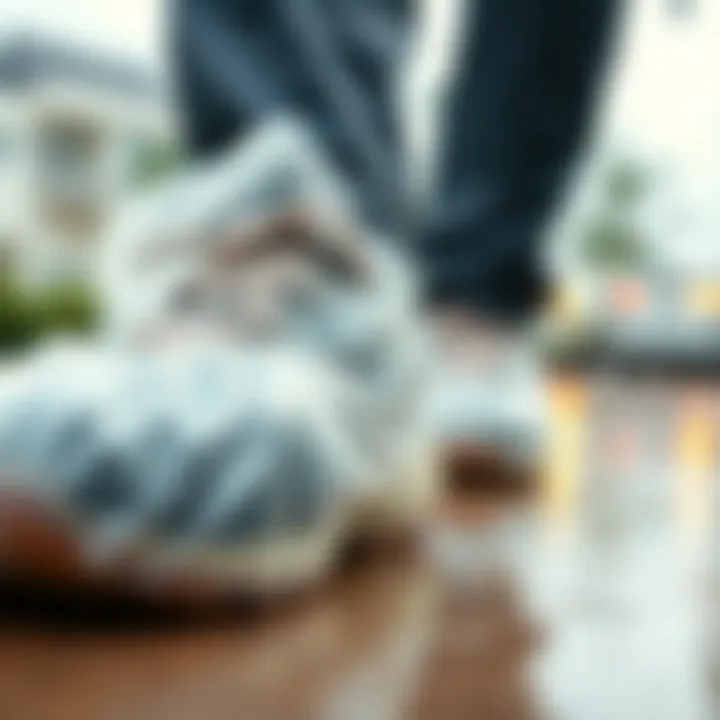
Rainy weather can wreak havoc on one’s favorite footwear. For fashion enthusiasts, there’s a delicate balance between style and practicality, especially when considering a downpour. Enter plastic shoe covers—an often-overlooked accessory that serves to protect shoes while allowing individuals to maintain their fashion choices. This article seeks to unpack the multifaceted role of plastic shoe covers in rainy weather. Not only do they shield shoes from water damage, but they also introduce a unique opportunity to blend functionality with current fashion trends.
Fashion Trends
When it comes to the aesthetics of rainy day attire, plastic shoe covers are stepping into the spotlight. They have evolved from being mere protective gear to part of a fashionable ensemble. Designers are increasingly showcasing these covers in their collections, highlighting how they can elevate an outfit rather than detract from it.
Emerging Styles
Recent runways have seen a variety of inventive designs in plastic shoe covers. From translucent finishes that allow the shoe's design to shine through, to bold colors and patterns that scream for attention, the options are nearly endless. Here are a few styles that have caught the eye:
- Transparent Covers: A clean, minimalist look that melds with almost any footwear.
- Textured Patterns: From florals to geometric shapes, these provide a pop of personality on otherwise dreary days.
- Sporty Styles: Athletic cuts that cater to a more casual audience, ideal for the modern city dweller on the go.
Incorporating these styles into a wardrobe can be as simple as pairing them with a classic trench coat or even a vibrant rain jacket, making rainy day fashion something to look forward to rather than dread.
Seasonal Must-Haves
As the seasons shift, so do fashion needs. In spring, plastic shoe covers can be a brilliant accessory to combat the unexpected showers that often accompany the season. During fall, darker colors can complement autumnal hues, adding a chic touch when stepping through fallen leaves. Essential items for each season might include:
- Spring: Lightweight covers that pack easily for those unexpected downpours.
- Summer: Breathable materials that allow for comfort while still providing coverage.
- Autumn: Stylish, durable options that can transition well from wet to dry.
- Winter: Heavier covers capable of protecting against slush and freezing rain.
"In a world where you can be anything, be stylish, even in the rain."
These choices allow individuals to maintain their personal style while adapting to the whims of the weather.
Timeless Fashion
Beyond the trends, plastic shoe covers can also be viewed through the lens of timeless fashion principles. Understanding how to use them effectively requires a glance at classic pieces and how they interact with contemporary designs.
Classic Pieces
Consider the trench coat, an enduring staple that pairs beautifully with plastic shoe covers. Its classic silhouette adds sophistication, while the covers provide the necessary protection against the rain. Other classic components include:
- Tailored trousers: Complements the sleek look while offering practicality.
- Classic leather boots: Serve as enviable options for complementary coverage.
These wardrobe staples underscore the importance of investing in adaptable pieces that can withstand the test of time, ensuring that you remain stylish in varying weather conditions.
Styling Tips
To effectively mix and match classic styles with trendy shoe covers, consider the following tactics:
- Use Color Coordination: Match the shoe cover color with an element of your outfit for cohesive harmony.
- Layer Smartly: Play with textures and layers, combining smooth surfaces with rugged designs to create contrast.
- Accessorize Thoughtfully: Bags, hats, and even umbrellas can harmonize with the shoe covers for a balanced look.
Navigating the world of rain gear doesn’t need to mean compromising on style. Instead, with the right choices and proper pairing, plastic shoe covers can serve as a pivotal component of an individual's rainy weather arsenal.
Prologue to Plastic Shoe Covers
In an era where seamless style and practicality often collide, plastic shoe covers have emerged as an unsung hero for those navigating through wet weather conditions. The inclement weather, especially rain, can throw a wrench into one’s fashion choices, often leaving individuals to wrestle with the dilemma of sacrificing style for the sake of protecting their beloved footwear. This is where plastic shoe covers come into play, offering a solution that marries functionality with flair.
Importance of Plastic Shoe Covers
Plastic shoe covers serve a dual purpose: protecting footwear while allowing the wearer to maintain their style. Imagine walking through puddles without the constant worry of ruining a pair of suede shoes or having to change into clunky rubber boots. That’s the kind of freedom these covers present. They act as a shield against water, mud, and other debris, ensuring that shoes remain in pristine condition, extending their lifespan significantly.
Moreover, the choice of using plastic shoe covers enhances one's confidence to step out, no matter how tumultuous the weather may turn. No more tiptoeing around rain-soaked streets; instead, individuals can walk with assurance, knowing their investment in quality footwear is protected. In this age where sustainability and style coexist, it becomes imperative to understand not only the benefits but also the history and current trends of these indispensable accessories.
Exploring Historical Background
The journey of plastic shoe covers starts as early as the 1960s, primarily as a utilitarian tool for industrial workers. Made from crude plastic materials, they were designed to prevent workplace contamination and were not initially made with aesthetics in mind. Over the years, however, as fashion began to permeate even the most practical elements of daily life, these covers evolved. Today’s variety ranges from fashion-forward designs that suit various occasions to affordable disposable options that prioritize convenience. The transition from industrial necessity to a staple item in rainy weather wardrobes reflects a broader cultural shift towards stylish yet practical solutions in fashion.
Current Trends in Footwear Protection
In today's market, we see a myriad of trends surrounding plastic shoe covers. On one hand, increased environmental awareness has propelled the demand for reusable and sustainable options. Brands are innovating with materials that not only guard against the elements but are also eco-friendly, appealing to a demographic that values sustainability in their purchases.
Conversely, there's a demand for stylish options that merge design with usability. Consumers are no longer willing to compromise on aesthetics, seeking covers that complement their outfits rather than detract from them. Slip-on designs, for example, are popular due to their ease of use, while customized models offer a personal touch that resonates with fashion influencers.
As fashion trends continue to shift rapidly, plastic shoe covers are expected to evolve in both form and function, meeting the ever-changing desires of consumers. Understanding these elements is crucial for any fashion-oriented individual looking to stay relevant in a competitive landscape.
Understanding Plastic Material Properties
Understanding the properties of plastics is vital in assessing the role of plastic shoe covers during rainy weather. The nature of the material directly influences waterproofing capabilities, durability, and user comfort. Having a solid grasp of these properties can help consumers make informed decisions when selecting shoe covers that not only protect footwear but also enhance usability and practicality.
Types of Plastic Used
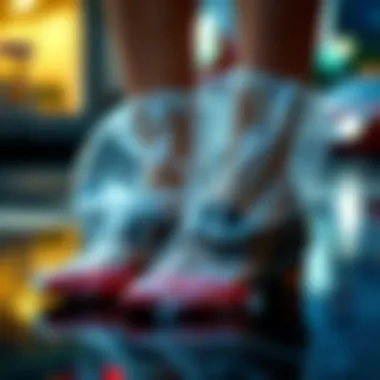

Exploring the specific types of plastics that go into making shoe covers reveals how each can impact performance and suitability.
Polyethylene (PE)
Polyethylene, often simply referred to as PE, is one of the most popular plastics used in disposable shoe covers. Its key characteristic lies in its lightweight and flexible nature, which allows for ease of use. When it comes to protection against rain, PE shines due to its inherent water-resistant quality. Moreover, the unique feature of PE is its ability to maintain shape and form even when wet, making it a desirable choice for consumers.
On the downside, while PE is effective for one-time uses, it isn’t the most environmentally friendly option, as it can take a long time to decompose. However, its affordability and widespread availability make it an attractive choice for individuals looking for quick and easy solutions for wet weather.
Polyvinyl Chloride (PVC)
Polyvinyl Chloride, or PVC, is another common material used in waterproof footwear protection. One of its standout features is its exceptional resistance to wear and tear, thus making it especially durable. This characteristic is critical for shoe covers used frequently or in challenging environments. PVC offers a snug fit, which helps prevent the ingress of water, making it a solid contender in rainy conditions.
However, it's worth noting that PVC can lack breathability, leading to discomfort when worn for extended periods. Some might find that their feet feel hot or sweaty inside PVC covers, which can diminish the overall experience. The trade-off between durability and comfort is something to consider when choosing covers made from PVC.
Thermoplastic Polyurethane (TPU)
Thermoplastic Polyurethane, known as TPU, is a rather innovative option in the landscape of shoe covers. Its defining traits include excellent elasticity and resistance to abrasion, which means that TPU provides a form-fitting feel that remains intact under pressure—ideal for those who might be on their feet for long stretches. The breathability of TPU also sets it apart, offering comfort alongside functionality; this means wearers don’t have to sacrifice their comfort for protection.
A noteworthy aspect of TPU is its environmental profile; it’s often considered more sustainable than its counterparts, as it can be produced with less harmful additives. However, TPU can sometimes come with a higher price tag, a factor that might dissuade some budget-conscious consumers.
Water Resistance and Durability
Durability and water resistance are paramount considerations when it comes to shoe covers. For those caught in muddy puddles or torrential downpours, the last thing anyone wants is for water seeping into their shoes. The right shoe covers can offer various levels of protection based on the materials used.
In evaluating options such as polyethylene, polyvinyl chloride, and thermoplastic polyurethane, the performance against moisture penetration becomes clearer. Consumers should assess their environments and needs to pick a suitable option that balances durability and comfort, ultimately enhancing their rainy weather wardrobe.
Types of Plastic Shoe Covers
When the clouds hang heavy and the ground turns muddy, plastic shoe covers can serve as a practical ally for anyone navigating rainy conditions. Their importance lies not just in their utility but also in their versatility to fit various needs and preferences. Essentially, knowing the different types of plastic shoe covers allows one to make informed choices that align with style, convenience, and environmental impact.
Disposable vs. Reusable
When it comes to functionality, disposable and reusable shoe covers stand out as the two main categories. Disposable covers often made from lightweight plastic, are designed for one-time use. This can be ideal for events where you might not want to cart mud indoors. They’re convenient and limit the hassle of cleaning up, but they also contribute to the growing plastic waste issue. On the flip side, reusable covers are typically crafted from sturdier materials, allowing for multiple uses over time. While the initial costs can be higher, their durability often translates into better long-term value, making them a responsible choice for environmentally-conscious consumers.
Design Variations
Slip-on Covers
Slip-on covers epitomize ease and convenience. Their design allows for quick application, making them a go-to for those dashing from car to building, especially in a downpour. The key characteristic here is their stretchability; they can accommodate a range of shoe types and sizes, which makes them popular among casual users. What sets them apart is the ease with which they can be rolled up and stored in a bag without taking up much space. However, some users may find them less secure, as they can slip off under vigorous movement.
Boot-style Covers
In contrast, boot-style covers offer robust protection. These are often designed to fit snugly over taller footwear, providing coverage that extends well beyond the ankle. Their distinct feature is their added grip, which prevents slipping in wet conditions. This makes them an ideal option for outdoor work or activities where stability is crucial. The downside? They may feel bulkier compared to slip-on designs, potentially sacrificing some breathability, which can lead to discomfort during prolonged wear.
Custom Designs
Moreover, custom designs have begun carving their niche in this market. They cater to individuals or businesses looking to brand or personalize their shoe covers. The advantage here is that they can reflect personal style or brand identity while still being practical. However, depending on the materials used, these custom designs may not always guarantee the same level of waterproofing as standard models. In situations where functionality reigns supreme, this could be a significant consideration.
End of Section
With a better grasp of the different types of plastic shoe covers, from disposable to reusable and various designs, one can better approach their rainy weather requirements. As fashion influences our choices, understanding these functional elements helps integrate practicality without forsaking personal style. Such knowledge ultimately bolsters our ability to make better purchasing decisions that marry form with function.
Advantages of Using Plastic Shoe Covers
When it comes to rainy days, wading through puddles can be a real hassle, especially when considering the state of one’s shoes. This is where plastic shoe covers shine, offering a range of advantages that go beyond mere functionality. Understanding these benefits can elevate the experience of navigating wet weather and potentially preserve the longevity of cherished footwear.
Footwear Protection
One of the most substantial benefits of plastic shoe covers is their ability to offer protection to various types of footwear. Whether you're sporting a pair of classic leather loafers or trendy canvas sneakers, these covers act as a shield against the common foes of dampness, mud, and grime. Besides keeping your shoes dry, they prevent dirt from being tracked indoors, which can save on cleaning efforts down the line. Maintaining the aesthetic appeal of your footwear can also empower your fashion choices, allowing you to step out stylishly, come rain or shine.
It's worth mentioning that not all plastic covers are created equal. Opting for thicker materials can provide better defense against water saturation while still allowing some flexible movement. Some covers come equipped with non-slip soles, transforming a potentially hazardous situation into a stroll in the park. In essence, if the weather is not in your favor, embracing plastic shoe covers may just be a wise decision in maintaining your beloved shoes.
Convenience and Portability
Plastic shoe covers are nothing if not convenient. Their design often allows for quick application, meaning you can slip them on before heading outdoors without the hassle of removing your regular footwear. On a particularly rainy day, this ease can be a game-changer, letting you adapt swiftly to ever-changing weather conditions.
Transporting them is another stark advantage. Light and compact, most plastic shoe covers fit easily into a backpack or purse. Imagine leaving home prepared for sunny weather, only to encounter unexpected showers. Being able to whip out these shoe covers quickly can make a world of difference. They become an easy precaution rather than a cumbersome addition to your daily kit. As a result, they work wonders when you're on the go—from morning commutes to an evening stroll in the rain.
Affordability and Accessibility
Affordability stands out as a key selling point of plastic shoe covers. They tend to be less expensive compared to other footwear protection alternatives, such as specialized waterproof boots. With prices often ranging from a few dollars to about twenty, they offer a means of fighting the elements without emptying your wallet. This accessibility is crucial for budget-conscious consumers who wish to maintain their style without compromising practicality.
Furthermore, they are widely available in various retail environments, from local supermarkets to online shops. You don't have to scour high-end locations to find them; a quick visit to your nearest department store or an online search can yield options that fit various needs. With such affordability and availability, anyone can invest in their footwear preservation, making it easier to embrace rainy days fully.
"Protection, convenience, and affordability—plastic shoe covers offer a trio of important advantages, particularly in weather-dependent situations."

In summary, the advantages of using plastic shoe covers extend well beyond keeping feet dry. They offer a form of protection that is both practical and stylish, while ensuring ease of use and affordability. So, the next time the forecast signals rain, consider reaching for these handy accessories—they can elevate your everyday wardrobe experience.
Disadvantages and Limitations
When discussing plastic shoe covers, it’s crucial to take a closer look at the flip side of this handy tool. While they indeed provide a shield against the rain, there’s no denying that there are disadvantages and limitations worth considering. A well-rounded understanding helps consumers make informed decisions, especially fashion influencers and marketers looking to recommend these products to their audience.
Environmental Concerns
Plastic shoe covers are undeniably convenient, but they also raise significant environmental issues. Most covers are made from materials like polyethylene, PVC, or TPU, all of which contribute to plastic waste.
Every year, millions of these shoe covers end up in landfills, where they can take centuries to decompose. This doesn’t just contribute to pollution; it also impacts wildlife, as animals may ingest plastic or become entangled in it.
Some companies are attempting to tackle this dilemma by offering biodegradable options, yet these alternatives still don’t completely solve the problem. They might break down more easily, but production might still employ the same environmentally harmful practices. It’s important for consumers to weigh the convenience of plastic shoe covers against their long-term environmental footprint. This consideration is especially vital for eco-conscious consumers who are trying to minimize waste.
"Choosing convenience often comes at a cost. We mustn't ignore how these small choices contribute to greater environmental issues."
Comfort and Breathability Issues
Another elephant in the room regarding plastic shoe covers is comfort and breathability—or lack thereof. Many people report feeling discomfort when wearing plastic covers, especially for extended periods. Unlike conventional footwear, which is designed for ventilation and ease of movement, plastic covers may cling to feet, causing excessive sweating and an overall uncomfortable experience.
This lack of breathability might deter some from using plastic shoe covers regularly, as wearing them could feel like a claustrophobic experience for the feet. For people engaged in activities like walking or commuting, these discomforts can lead to blisters or soreness, making the entire venture counterproductive.
In such scenarios, it’s essential for consumers to balance the need for waterproofing with comfort. Some brands have tried to incorporate breathable materials into their designs, yet not every product on the market achieves this balance. Before making a purchase, consumers ought to check reviews and potentially try on various options to see what suits their needs best.
As we navigate through rainy days, being aware of these disadvantages can undoubtedly shape better choices. It’s a fine dance between style, function, and sustainability, and knowing what pitfalls lie ahead can serve as a guiding light.
Choosing the Right Shoe Covers
Selecting the appropriate plastic shoe covers is more crucial than one might think. It’s not just about protecting shoes from rain; it’s also about aligning functionality with personal needs. The right choice can influence comfort, style, and ultimately the effectiveness of protection against wet weather.
Factors to Consider
Size and Fit
When it comes to size and fit, it’s about more than just finding something that will snugly sit over your footwear. The right fit ensures that the covers don’t slip off during use. It's also key so that your shoes aren't crushed or misshapen, preserving their longevity. A cover that's too loose can fold and bunch up, creating a clumsy experience, effectively negating its primary purpose. People often overlook this when choosing shoe covers, leading to an annoying discomfort.
- Key characteristic: Comfort is paramount. No one wants to be distracted by uncomfortable footwear.
- Unique Feature: Many brands offer size charts helping consumers find the perfect cover. This is beneficial during purchasing, ensuring you don’t end up with a poor fit.
Usage Frequency
Understanding how often you will use the shoe covers greatly impacts your decision-making process. If you find yourself navigating through rainy months frequently, investing in more durable, reusable options makes sense. Conversely, if your rainy outings are few and far between, disposable covers could save space and money without compromising protection. In this respect, lifespan matters just as much as utility.
- Key characteristic: Frequency of use dictates whether to buy disposable or reusable covers.
- Unique Feature: Some brands even cater to event-specific needs, like wedding or casual outings, providing targeted solutions that match the occasion.
Climate Considerations
Thinking about the climate is essential. In regions where rain is more of a common occurrence, thicker, insulated covers that offer extra protection from wetness might be preferred. Conversely, in temperate zones, lighter options may suffice. Also, check for ventilation systems in some designs that prevent overheating, particularly in hotter climates. Understanding microclimates can help ensure your shoe covers perform as needed.
- Key characteristic: Climate affects material choice and cover design.
- Unique Feature: Many brands offer climate-specific covers which can provide enhanced protection tailored to various weather patterns.
Retail Options
Navigating the market for shoe covers can be a bit overwhelming given the sheer array of options available. However, identifying retail sources that specialize in weather-related apparel can make your search easier.
- Local Stores: Checking local sports shops or shoe stores might provide immediate gratification and a chance to try before you buy.
- Online Retailers: Websites like Amazon or specialized outdoor clothing brands often carry a wide range of choices. Be sure to read reviews to gauge real-world performance.
- Subscription Boxes: Some fashion subscription services now include seasonal necessities like shoe covers, which may introduce you to new styles and brands that you wouldn't have considered otherwise.
Style Considerations
When weather takes a rainy turn, practicality often takes center stage in wardrobe choices. However, this doesn’t mean that style should be cast aside. The use of plastic shoe covers presents an opportunity to blend functionality with personal flair in shoe fashion. The ones that think ahead can create a unique statement even when the skies are grey.
Making a Fashion Statement
The right plastic shoe covers can act as a distinctive statement in a wardrobe. Instead of merely being a protective layer, these covers can showcase individual style—much like a chic accessory. For example, a vibrant patterned cover paired with a simple outfit can catch the eye and completely transform a mundane rainy day look into something trendy.
Fashion-forward individuals can opt for covers that feature unique designs or textures. Collaborations with brands or designers who specialize in avant-garde designs offer great possibilities. Think of covers that mimic leather texture or supports a high-gloss finish that can surprise onlookers when someone strolls down a puddle-ridden street. Fashion enthusiasts increasingly seek products that don't just perform well but also enhance their personal image.
"In the world of fashion, style often speaks volumes even in the smallest details."
The evaluation of materials also plays a key role here. High-quality polyvinyl chloride (PVC) or thermoplastic polyurethane (TPU) covers not only provide water resistance but also lend themselves to vivid color outcomes and intricate textures, merging practicality with aesthetic appeal. Casual and professional attires alike can benefit from eye-catching covers that draw attention while keeping shoes bone-dry.
Color and Design Choices
One of the most engaging aspects of using plastic shoe covers revolves around the vast variety of color and design options they present. Gone are the days of plain, transparent covers that merely blend into the background. Now, shoppers can find a plethora of shades ready to match or contrast with any outfit.
Choosing the right color will depend largely on the intended use. Bright colors can uplift an otherwise dreary day, making them perfect for casual outings, while neutral tones can seamlessly integrate into more formal outfits, maintaining an elegant appearance. Additionally, patterns like polka dots, stripes, or floral prints can inject personality and fun, making even dreary days feel vibrant.
When it comes to design, consider models that offer functional styling, like reflective trims for safety during evening walks or customizable embellishments for personal touches. It’s more than just a protective layer; it’s a way to express creativity and flair.
Whether you’re strategically coordinating to impress at a networking event or simply looking to brighten a mundane errand, choosing the right color and design brings an element of joy and style to one’s rainy-weather arsenal.
So, as we move through this exploration of plastic shoe covers, remember that they serve a dual purpose: protecting footwear and enhancing the overall aesthetic of a look.
Environmental Impact and Sustainability
As the world faces increasing environmental challenges, the role of plastic shoe covers in sustainability requires careful consideration. While these products serve a practical purpose in protecting our footwear during inclement weather, they also bring forward important discussions surrounding environmental impact. Understanding this balance forms a crucial backbone for our conversation about plastic shoe covers.
First, it's vital to pinpoint the environmental footprint of plastic materials. Traditional plastic production involves petroleum, which not only depletes fossil fuels but also contributes to greenhouse gas emissions. Additionally, once discarded, conventional plastic can take hundreds of years to decompose, leading to clogged landfills and marine pollution. Therefore, approaching this topic involves evaluating both the immediate benefits of plastic shoe covers and their long-term consequences on the environment.
However, the industry is evolving. With innovations in biodegradable plastics and increased consumer awareness, there’s potential for a shift toward sustainable alternatives. Let's delve deeper into these aspects.
Biodegradable Alternatives
The emergence of biodegradable plastic shoe covers highlights a significant step toward sustainability. These materials are designed to break down more quickly than traditional plastics when exposed to natural environmental conditions, such as moisture and microorganisms. There are different types of biodegradable plastics, including those made from corn starch and other natural polymers.
Key benefits of biodegradable shoe covers include:
- Reduced landfill waste: Compared to conventional plastic, these covers contribute to less long-term waste in landfills.
- Lower environmental impact during production: Many biodegradable plastics can be produced from renewable resources, unlike petroleum-based options.
- Carbon neutral potential: When composted, they have the potential to return to the soil as nutrients, further minimizing their environmental effects.
Amid rising eco-consciousness, brands that offer biodegradable options might stand out positively in the market. As a result, consumers could be more inclined to choose eco-friendly products that align with their values, appealing to a broader audience.
Consumer Responsibility
As the conversation around sustainability continues to grow, consumer responsibility remains pivotal in the discourse on environmental impact. The choices consumers make directly influence market trends and push for more sustainable practices within industries, including footwear accessories.
Shoppers need to prioritize products based on their environmental footprint, focusing also on how they plan to dispose of these items. For example:
- Reuse and Recycle: Choosing reusable shoe covers over single-use options cuts down waste significantly. After several uses, proper recycling can assist in minimizing the environmental impact of worn-out covers.
- Support Sustainable Brands: By purchasing from companies committed to sustainable practices, consumers encourage the entire industry to adopt greener methods.
- Educate & Advocate: Sharing knowledge about the environmental effects of traditional plastics can inspire others to make informed choices. Social media platforms are excellent avenues for spreading awareness.
"Every small decision adds up. If consumers make mindful choices, collective action can lead to substantial environmental benefits."
Through an understanding of both biodegradable alternatives and the importance of consumer responsibility, plastic shoe covers can transition from an environmental concern to a practical solution that aligns with modern values. This evolving narrative makes the sustainability aspect of shoe covers not just relevant but essential in today's market.
Practical Tips for Use
When it comes to navigating the unpredictable dance of rainy weather, knowing how to effectively use plastic shoe covers can make all the difference. This isn’t just about throwing on a pair of covers and calling it a day. Proper application and maintenance are pivotal to ensure that they not only protect your footwear but also maintain their original condition. Let's unpack some practical advice that can enhance your experience with these handy accessories.
Proper Application
Getting the application right can save one from a heap of trouble later on. Here are some key points to remember:
- Clean Your Shoes First: Before slipping on those plastic covers, it's wise to wipe down your shoes. Dust and dirt can scratch not only the cover but also the shoe itself when they are under the cover.
- Choose the Right Size: Fit matters. A shoe cover too tight can rip, while one too loose can slip off. Always check the sizes available and fall back on sizing guides if needed. Your shoes should feel snug but comfortable in the covers.
- Check the Weather: Pay attention to the weather forecast. If heavy rain is anticipated, ensure that your shoe covers are waterproof and made of durable materials. For light drizzle, a lighter material may suffice.
- Be Mindful of Surface Types: When walking in wet conditions, some surfaces can become slippery. Those wearing plastic shoe covers should tread carefully on wet tiles or cobblestones to avoid accidents. Taking smaller steps may feel a bit strange but it helps maintain your balance!
"Protecting your shoes isn’t just about looking good; it’s about preserving your investment. Well-maintained shoes can last for years, and a little effort can go a long way in extending their lifespan."
Storage and Maintenance
After the rain passes and you're back indoors, how you care for your plastic shoe covers can extend their life. Here are a few tips for effective storage and maintenance:
- Dry Them Out: Once you take off your shoe covers, remove as much moisture as possible. Leave them to air dry at room temperature, away from direct sunlight, which can warp the plastic over time.
- Avoid Overstuffing: When you store your shoe covers, avoid cramming them into tight spaces. This can create creases and weaken the material. Instead, consider using a protective bag solely for them. It helps maintain their shape.
- Clean Regularly: Depending on the material, regular cleaning can be important. For plastic shoe covers made from materials like PVC or TPU, a simple wipe with a damp cloth can do the trick.
- Inspect Before Each Use: Just like you wouldn't drive a car without checking its tires, don't use your shoe covers without inspecting them first. Look for any tears or accumulated grime. If you find significant wear and tear, consider replacing them before the next rain.
By following these practical tips, not only do you ensure better longevity for your shoe covers, but you also enhance the overall experience of wearing them. Investing a little thought into application, storage, and maintenance helps create a smoother transition through those wet days without losing stylish footing.
Ending
In summing up the critical role plastic shoe covers play in handling rainy weather, one understands that these practical accessories offer a shield to protect footwear from the relentless elements. Walking through puddles or enduring unexpected downpours becomes less of a nightmare when the right shoe covers are used. Not only do they maintain the integrity of shoes, but they also ensure that one's steps remain dry and steady.
The key points that emerge from this exploration highlight several advantages of employing plastic shoe covers. First and foremost, they act as an effective barrier against water, mud, and stains. This means that cherished sneakers and formal shoes, which often come with hefty price tags, can be safeguarded from depreciation due to environmental factors. Furthermore, the convenience and portability of these covers make them an attractive option for individuals who are always on the move, allowing easy access and quick application in sudden weather changes.
Considerations regarding the environmental impact also stand tall. As discussed throughout the article, the evolution toward biodegradable materials represents a significant step forward, appealing to the environmentally conscious buyer. By choosing sustainable options, consumers are not only protecting their footwear but also playing their part in preserving the planet.
These practical aspects of using plastic shoe covers give them essential value for various user scenarios, be it everyday commuters, fashion enthusiasts, or professionals in various fields. Evaluating the specific needs and preferences of the wearer is crucial to selecting the right type of cover, as each design has its use case.
Overall, the message here is clear: plastic shoe covers are not mere afterthoughts in rainy weather; they are practical tools that enhance both the durability of footwear and the wearer’s experience. Embracing these covers elevates one’s approach to rainy days, reminding us that preparedness can visit even in the most unpredictable conditions.
Summarizing Key Points
- Effective Protection: Plastic shoe covers act as an excellent defense against rain, mud, and other damaging elements.
- Convenience: Easy to carry, they provide a quick solution during unexpected weather changes.
- Environmental Impact: The shift toward biodegradable options aligns product usage with environmental responsibility.
- Diverse Options: From disposable to reusable covers, there’s a suitable type for various scenarios and personal styles.
Future Trends in Footwear Protection
The landscape of footwear protection is ever-evolving, and emerging trends suggest exciting innovations in this realm. Among the anticipated developments, advancements in sustainable materials are likely to take center stage. Brands will increasingly prioritize the use of renewable resources, aiming to craft shoe covers that not only protect but also decompose naturally when discarded. This shift can heighten consciousness about waste management among consumers, motivating them to make informed choices regarding their footwear accessories.
Moreover, the incorporation of smart technology could find its way into shoe covers. Imagine shoe covers equipped with climate-responsive materials, which adapt based on humidity or temperature levels, optimizing comfort while out and about. Such innovations could appeal greatly to enthusiastic users who seek a blend of style and technological enhancement.
The fashion element will also expand, with designers looking to create covers that are not only functional but also stylish. Fabrics with vibrant colors, unique patterns, and custom fits could entice buyers, turning practical protection into a design statement.
As we look ahead, the conjugation of practicality and style, combined with environmental awareness, paves the way for an exciting future in footwear protection. The journey of plastic shoe covers continues to unfold, promising both utility and progress.