Crafting Vibrant Mexican Table Centerpieces


Intro
When it comes to setting the stage for a gathering, no element is more significant than the table centerpiece. A well-thought-out arrangement goes beyond mere aesthetics; it embodies culture, evokes emotion, and tells a story. Mexican-themed table centerpieces, in particular, resonate with a rich tapestry of tradition and vibrancy. From the dazzling colors inspired by festive celebrations to the intricate designs reflecting indigenous history, these pieces can elevate the essence of any event.
This article will take you through the vibrant world of Mexican-themed table decor, offering insights into the essential elements that make up these captivating centerpieces. We'll explore motifs that capture the spirit of Mexico, materials that honor the craftsmanship, and color palettes that evoke the lively ambiance particularly seen during traditional celebrations. It's not merely about arranging flowers in a vase; it's about weaving a cultural narrative that transforms an ordinary gathering into a remarkable experience.
By the end of this discussion, you’ll have a comprehensive toolkit for designing unforgettable table arrangements that exemplify the depth and richness of Mexican heritage. It's not just decor—it’s an invitation to immerse oneself in a world where every element speaks of history and meaning.
Prolusion to Mexican Theme Table Centerpieces
Creating an atmosphere that resonates with cultural essence can transform any gathering into a memorable event. The approach of incorporating Mexican theme table centerpieces offers an enticing way to reflect the rich heritage behind this vibrant culture. When we take a closer look at Mexican centerpieces, we are not just observing decorative elements; we are exploring a myriad of stories, traditions, and visual delights that can elevate the dining experience.
Mexican culture possesses a tapestry of colors, textures, and meanings, often expressed through handcrafted elements and bold styling. Centerpieces, in this context, don’t merely sit on a table; they act as visual anchors that command attention, invoke emotion, and tell a tale. This article dives into the myriad components that come together to create alluring centerpieces, ensuring they resonate well with the essence of the event.
In examining the importance of centerpieces, we find that they serve several purposes. For one, they enhance the visual appeal of a table setting, adding layers of interest and charm. The right centerpiece can charm guests and foster a vivid, immersive ambiance, encouraging conversations and making them feel more connected to both the event and the cultural significance it represents. Additionally, integrating traditional elements can educate guests about Mexican artistry and design.
Through a thoughtful exploration of various considerations—such as cultural relevance and aesthetic appeal—this article aims to equip stylists, marketers, and designers with the knowledge to create not just centerpieces, but expressive narratives that beckon the spirit of Mexico into any setting.
Understanding the Cultural Context
To truly appreciate Mexican table centerpieces, it is essential to understand the cultural context from which they emerge. Mexican art is laden with symbolism and influenced by a rich history that encompasses indigenous craftsmanship, colonial heritage, and contemporary interpretations. This amalgamation creates a distinctive identity that is easily identifiable.
Cultural elements can manifest through vibrant colors, like the striking reds and greens, which symbolize life and prosperity. Objects like clay pots or papel picado carry historical significance, often recalling age-old craftsmanship handed down through generations. By employing these distinctive items, one creates an opportunity to celebrate the culture while enriching the overall aesthetic of the gathering.
The Role of Centerpieces in Event Decor
Centerpieces play a pivotal role in event decor, functioning as both focal points and conversation starters. They are more than simply ornamental; they help guide the visual narrative of the event. A dramatic arrangement can set the tone, evoking themes of celebration, joy, or even reverence, particularly in instances like Día de los Muertos or traditional weddings.
When integrated thoughtfully, a centerpiece can elevate the dining experience to an art form. For instance, a colorful floral arrangement that incorporates traditional zinnias alongside hand-painted talavera pottery not only dazzles the eye but connects the guests to the vibrancy of Mexican culture. It speaks to their senses, inviting them to experience the flavors of the food, the warmth of camaraderie, and the richness of heritage.
The designer's task is to strike a delicate balance between decor, function, and cultural significance, ensuring that each piece harmonizes with its surroundings. Whether it’s an intimate family gathering or a large celebration, the centerpiece sets the stage, silently communicating a narrative that guests can explore throughout the event.
Visual Elements of Mexican Centerpieces
Understanding visual elements is crucial when designing captivating Mexican centerpieces. These elements combine to create an atmosphere that not only celebrates a rich cultural heritage but also engages emotionally with guests. When implemented skillfully, visual components such as colors, motifs, and materials weave together a narrative that reflects the essence of Mexican culture.
A centerpiece is more than just a visual element; it serves as a focal point that can influence the overall mood of an event. When guests lay eyes on an expertly crafted centerpiece, it can spark conversations and evoke shared memories, making the gathering memorable. Thus, selecting the right visual elements is paramount in conveying the celebratory spirit inherent in Mexican heritage.
Color Palettes Inspired by Mexico
Colors play a pivotal role in creating the ambiance of any event. In Mexican culture, hues are not just aesthetic choices but carry deep significance. Colors like bright red, vibrant green, and sunny yellow are reminiscent of the country’s playful spirit. Each color has a meaning—red symbolizes passion, green represents hope, and yellow often relates to joy. Using these colors in table centerpieces can instantly infuse a festive spirit into the gathering.
When designing your centerpiece, consider the following color palette:
- Warm Tones: Rich oranges and reds can bring warmth, making the setting inviting.
- Earthy Colors: Using browns and greens connects the decor to the natural elements found in Mexico’s landscapes.
- Vibrant Accents: Pinks, turquoise, and deep blues can pop against neutral tablecloths, drawing the eye and captivating interest.
Choosing the right color palette not only enhances the aesthetic but also resonates emotionally with guests, making them feel more connected to the occasion.
Traditional Motifs and Symbols
Incorporating traditional motifs and symbols brings authenticity and layers of meaning to your centerpieces. From intricate designs influenced by indigenous cultures to iconic symbols like the skull from Dia de los Muertos, these elements create a narrative that speaks to the cultural depth. Something as simple as a Talavera ceramic tile can serve as a warm nod to Mexican artisanship.
Here are some commonly used motifs:
- Floral Patterns: Inspired by the vibrant floral designs used in textiles, adding floral motifs can grace the table with a lively feel.
- Geometric Shapes: Patterns that represent Aztec and Mayan heritage can be subtly integrated into the fabric or pottery used for centerpieces.
- Local Wildlife: Incorporating images or sculptures of local fauna can draw attention and emphasize the connection to nature.

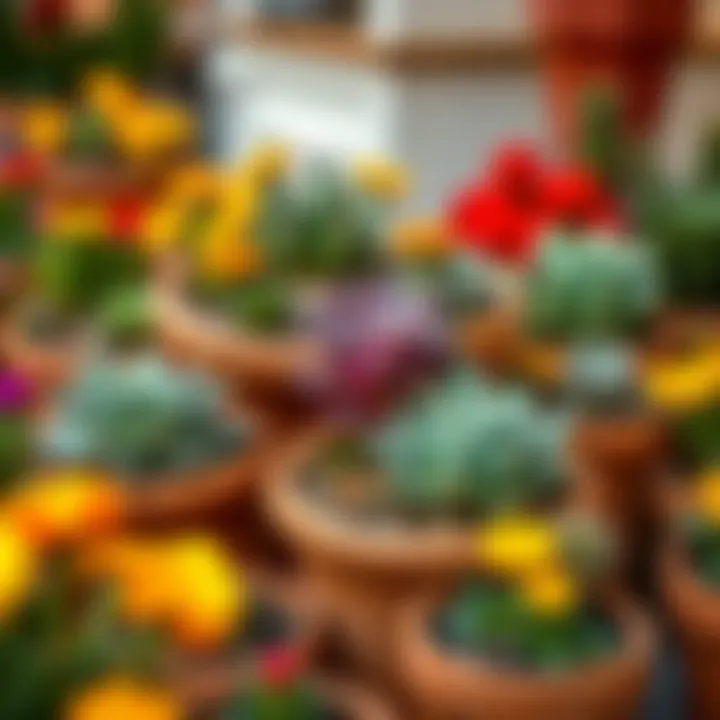
Utilizing these motifs doesn’t just make for visually striking decor; it also celebrates and acknowledges the culture from which they derive.
Material Considerations
Choosing the right materials is essential for creating a cohesive look. Different materials not only alter the aesthetic but also contribute to the tangible experience of the centerpiece.
Ceramics: Hand-painted ceramics, often seen in Mexican culture, provide a rustic yet elegant element to the table. The textures and colors of ceramic pottery bring warmth and invite tactile exploration.
Textiles: Flamboyant table runners or napkins, such as those made from traditional Otomi fabric, can enhance the visual depth of the design. Layering different textiles can add richness and complexity to the centerpiece.
Natural Elements: Incorporating local flora, such as succulents or vibrant tropical flowers, not only adds a fresh touch but can also connect the decor to the environment.
Ultimately, the materials chosen should resonate with the themes of the event. The thoughtful selection of these elements will ensure that the centerpiece is not just beautiful but also meaningful, helping to create a lasting impression.
Classic Mexican Centerpiece Components
In the realm of Mexican-themed events, the centerpiece is more than just an aesthetic element; it serves as a cultural touchstone, reflecting the vibrant history and traditions of Mexico. When curating a centerpiece, one must consider the intricate details that speak volumes about the essence of Mexican heritage. Key components include ceramic pottery, textiles, floral arrangements, and candles, each playing a pivotal role in creating a captivating table display. These elements not only enhance the visual appeal but also invite guests to experience the richness of Mexican culture through sight, touch, and atmosphere.
Ceramic Pottery
Ceramic pottery holds a sacred place in Mexican tradition. Each piece often tells a story, encapsulating the love and craftsmanship of local artisans. Brightly colored Talavera pottery, for instance, frequently features intricate designs that can brighten up any table setting. When choosing pottery for centerpieces, consider selecting items that vary in height and size. For example, a larger bowl filled with vibrant fruits can be flanked by smaller decorative vases—this layering creates depth and interest.
Ceramics can also serve practical purposes, such as holding fresh herbs or seasonal blooms, adding a fragrant touch. The beauty of ceramic pottery lies not only in its aesthetic but also in its cultural resonance. These items can spark conversations among guests about their origins and craftsmanship. Who wouldn’t want to share a tale about a hand-painted plate from Puebla?
Textiles: Tablecloths and Napkins
Textiles are another cornerstone of Mexican decor. Bold patterns and rich colors can transform a standard table into a festive spread. Consider using a colorful tablecloth made from handwoven fabric like zarape. Pair it with napkins that either complement or contrast the tablecloth—such selection creates a dialogue of patterns that can mesmerize the eye.
Key tips for textiles:
- Fabric Type: Choose fabrics that are durable yet lightweight, allowing for easy handling. Cotton blends often work well.
- Layering: Don’t hesitate to layer textiles; a vibrant table runner over a more muted tablecloth can provide visual interest and depth.
- Functional Design: Remember to ensure that napkins are easy to access and coordinated with the overall theme.
With these elements, you’re setting the stage for a unique dining experience adorned with cultural flair.
Floral Arrangements
Floral arrangements not only bring life and color to a table but also evoke emotions and set the mood of your gathering. For a Mexican-themed centerpiece, think beyond ordinary flowers. Use native blooms like marigolds, which are associated with Día de los Muertos, or vibrant bougainvillea for accented richness. Mixing textures through a combination of greenery and flowers can create a lush, inviting arrangement.
When designing floral displays, consider height variation. Taller flowers can create interesting vertical lines, while lower arrangements allow for easier conversation across the table.
Also, try to incorporate elements such as:
- Stone or Wood Containers: These can add an earthy touch.
- Natural Accents: Fruits or branches can enhance authenticity and contribute to the overall design.
Candles and Lighting Effects
Finally, the significance of candles and lighting cannot be overstated in creating the right ambiance. Soft lighting can transform a space from ordinary to magical. Terracotta pots filled with candles create a rustic charm, while colored glass lanterns can infuse the setting with an ethereal glow.
Suggestions for playing with light:
- Choose Category: Opt for unscented candles to avoid overpowering aromas especially when serving food.
- Vary Sizes: Mix tall taper candles with shorter votive candles to create a layered lighting effect.
- Play with Placement: Place candles around the centerpiece rather than just in the middle—this draws the eye around and accentuates the overall beauty.
In essence, classic Mexican centerpiece components integrate history with modern design solutions. By thoughtfully selecting and arranging these elements, one can evoke a genuine sense of place, celebratening Mexican culture, and making an event truly memorable.
Practical Tips for Arranging Centerpieces


Arranging Mexican-themed table centerpieces is an art that goes beyond mere decoration. It plays a significant role in conveying the spirit of Mexican culture at events, whether it's a lively fiesta, a formal gathering, or a casual family get-together. Proper planning contributes to the overall ambiance, and keen attention to specific elements ensures that your centerpiece is not just an afterthought but a vital part of your event's narrative.
Balancing Height and Volume
One of the first things to consider when arranging your centerpiece is height. Taller elements can establish a sense of grandeur and drama, but too much height can hamper conversations across the table. Aim for a range of heights to create visual interest while maintaining easy sightlines.
- Use varied heights: Incorporate items such as tall candlesticks, medium-sized vases, and shorter dishes to achieve a harmonious balance.
- Consider functionality: Don’t go so high that guests can’t see each other; balance is key.
Creating Focal Points
Every table deserves a standout piece—a moment that draws the eye and sparks conversation. This focal point could be a striking floral arrangement, an eye-catching ceramic vase, or a unique sculpture that symbolizes Mexican heritage.
- Highlight tradition: Think about using a traditional item, like a colorful papel picado banner, positioned centrally to invite discussion.
- Accent pieces: Surround the focal point with smaller items that complement but don’t overpower it. This can include simple candles or vibrant fruit displays.
Layering Textures for Depth
Layering different textures can add depth and complexity to your centerpiece, making it visually appealing and tactile. Mexican designs often incorporate a blend of materials—from rough pottery to smooth textiles—which creates a rich sensory experience.
- Mix and match: Use woven baskets, ceramic dishes, and fabric elements to introduce variety. The texture contrast can make the arrangement feel alive and engaging.
- Invest in textiles: Opt for table runners made of colorful woven materials, like serape, to enhance the layers beneath your centerpiece.
"Remember, a successful centerpiece is not just about colors; it's a dance of height, shape, and texture that tells a story of culture and warmth."
In summary, arranging centerpieces effectively requires a thoughtful approach, balancing height, crafting focal points, and layering textures to achieve a visually and culturally resonant effect. By implementing these tips, you’ll cultivate an inviting atmosphere that celebrates the vibrancy and beauty of Mexican themes in your event. Ultimately, a well-planned centerpiece reflects not only the event's spirit but also connects attendees to the rich cultural heritage that inspired the decor.
Seasonal Considerations for Centerpieces
Choosing the right centerpiece is not just about aesthetics; it’s rooted in the season and cultural traditions that guide us through various celebrations. Seasonal considerations play a pivotal role in creating meaningful table arrangements that resonate with guests and foster a deeper connection to the event being celebrated. For those looking to incorporate traditional Mexican themes, understanding these seasonal nuances becomes essential. Each occasion brings different colors, symbols, and materials into play that influence the essence of the centerpiece.
Festive Occasions: Dia de los Muertos and Cinco de Mayo
Dia de los Muertos, or the Day of the Dead, is a rich tapestry of tradition marked by vibrant rituals that honor loved ones who have passed away. Table centerpieces during this time can include marigolds, sugar skulls, and intricate papel picado (perforated paper). The marigold, known as cempasúchil, is often used to attract spirits back to the living world, and its bright orange hue adds warmth and depth to any arrangement. Additionally, incorporating colorful candles and personal mementos can create a poignant, respectful focal point on the table.
Conversely, Cinco de Mayo goes hand in hand with festivities, celebrating Mexican heritage and the victory at the Battle of Puebla. Centerpieces for this occasion might lean towards lively arrangements filled with red, white, and green—the colors of the Mexican flag. Brightly colored piñatas or thematic decor that emphasizes Mexican folk art can add a festive touch. Consider vivid floral arrangements featuring local blooms such as dahlias or bougainvillea. Each centerpiece should tell a story, one that captures the spirit of resilience and joy.
"Celebrating life and honoring those who've touched our hearts are intricately wound together in Mexican cultural practices. The way we design our table settings reflects this dance of celebration and remembrance."
Seasonal Flowers and Decorations
Different seasons bring unique flowers and decorations that can breathe life into any centerpiece. Spring, for instance, introduces an array of blossoms that resonate with renewal, such as lilacs, ranunculus, and blooming cacti, which can be found in many homes across Mexico. The transition from winter to spring is a time to embrace light colors, complemented by fresh herbs such as cilantro or mint, that can enhance the visual appeal while also adding aromatic elements.
In contrast, fall is a canvas painted with warm colors—think deep yellows, oranges, and lush greens. Autumn gifts us with seasonal elements like pumpkin or gourd arrangements, which can be intertwined with traditional motifs for a truly unique centerpiece. Incorporating natural elements such as branches or dried corn can evoke a rustic feel that aligns well with harvest-themed celebrations.
Creating seasonal decorations isn’t limited just to flowers; think about the textiles that accompany your arrangements. A beautifully woven table runner or napkins adorned with traditional Mexican patterns can elevate your presentation. Layering such textiles can provide texture and depth that enhance the overall look and feel of the centerpiece.
To summarize, making choices based on seasonal considerations is more than mere decoration. This approach invokes cultural significance, reminding us of deeper traditions that connect us to our roots and the communities we celebrate with. Navigate through the seasons, and let your table centerpieces reflect the pulse of Mexican culture, one festive occasion at a time.
For further reading and inspiration, you might find visiting Britannica helpful, especially their section on cultural practices.
Explore more about celebrations on Wikipedia.
Theme Variations and Customization
When it comes to crafting thematic experiences centered around Mexican culture, variations and customization hold a pivotal role in the design of table centerpieces. These elements allow hosts to convey not only the traditional aspects of Mexican heritage but also tailor the aesthetic to fit the occasion, venue, and personal style. Adapting the design to match different themes can enhance the overall ambiance of an event, creating a more immersive experience for guests. Here are several key aspects to ponder when considering theme variations and customization:
- Incorporating Influences: Each region of Mexico boasts its own unique cultural influences, making it possible to incorporate specifics from, say, Oaxaca's colorful artistry or the minimalist elegance from the northern territories. Understanding these nuances gives you a head start.
- Mutual Benefits: Customization isn't just about variation; it's also about making the space reflect the values and personalities of the hosts. A fusion of designs, such as meshing contemporary art with traditional motifs, can create a striking juxtaposition that catches the eye and stirs conversation.
- Consider the Audience: Tailoring centerpieces should also consider the audience. For a youthful gathering, brighter colors and playful designs can be employed, while a more formal event might benefit from understated elegance and refined textures.

Contemporary Mexican Design Trends
Today’s Mexican design is witnessing a renaissance, mixing the old with the new in fascinating ways. This blend raises the bar for table centerpiece design:
- Minimalism: While traditionally rich in color and patterns, contemporary designs often embrace minimalism. Neutral color palettes accented with one or two vibrant items (perhaps a striking piece of pottery) create a sophisticated feel without compromising on Mexican identity.
- Natural Materials: The trend also underscores the use of natural materials, such as wood and stone, paired with organic textiles. Items like handmade Oaxaca rugs can serve as table runners, or simple wooden trays can hold exquisite floral arrangements.
- Sustainable Practices: An increasing focus on sustainability has begun to shape contemporary designs. Using locally-sourced and environmentally-friendly materials resonates well, aligning with the appreciation for community and tradition that characterizes Mexican culture.
Incorporating Local Elements
Incorporating local elements goes beyond just putting pieces on display. It becomes a heartfelt communication channel between the space and its surroundings:
- Bringing Local Craftsmanship to the Table: Many artisans produce captivating textiles and pottery that tell stories of their heritage. For instance, using Talavera pottery not only supports local artisans but also infuses your decor with history and authenticity.
- Using Seasonal Flowers: Opting for flowers that are native to the region pulls the essence of the environment into your centrepieces. Marigolds, often associated with Dia de los Muertos, or vibrant bougainvilleas can create stunning arrangements that resonate with local culture.
- Community Engagement: Consider inviting local craft groups to collaborate on centerpiece designs. This not only lends authenticity but can foster a sense of community and shared experience that enriches the event.
Catering and Table Settings
Catering and table settings play a pivotal role when it comes to crafting an exceptional dining experience. They don't just fill a void; instead, they weave a narrative that brings together culinary delights with the ambiance of an event. When contemplating a Mexican-themed gathering, the way food is presented alongside the decor profoundly influences guests’ perceptions and enjoyment. The tables should not merely serve as a place for eating; they should shout excitement and embody the essence of Mexican culture.
Food has a unique ability to evoke memories and forge connections, and when it aligns perfectly with the decor, it creates a sense of unity and completeness that enchants attendees.
Matching Cuisine with Centerpieces
One of the fundamental aspects of any event is the cuisine. Mexican fare is rich in flavor, color, and tradition, making it the perfect partner for vibrant table centerpieces. Imagine a spread of tacos al pastor, mole poblano, and guacamole, artfully arranged on tables adorned with hand-painted Talavera tiles. The juxtaposition of rich hues brought forth by the dishes against a backdrop of colorful centerpieces creates a feast not just for the stomach, but for the eyes as well.
Several elements can help in matching cuisine with centerpieces:
- Color Coordination: Integrating the colors of the food into your centerpiece design strengthens visual coherence. For instance, fresh limes can nestle within intricate clay pots, pairing beautifully with green-themed centerpieces.
- Cultural Elements: Incorporate elements like small piñatas or papel picado alongside traditional dishes. This captures the jovial spirit of Mexican festivities, creating a recognizable environment.
- Local Ingredients: Using seasonal and local ingredients not only enhances the flavor but also connects the attendees with the cultural landscape. For instance, placing a few fresh herbs in a vase adds a tactile and aromatic quality to the table, strengthening a sensory link to the dishes served.
Ultimately, the magic lies in ensuring both the food and centerpieces complement and elevate each other.
Settings that Enhance the Experience
The overall table setting must be diligently crafted to enhance the atmosphere and complement the culinary offerings. Good table settings transcend mere aesthetics, weaving a meaningful tapestry that embraces the spirit of Mexican culture. Here’s how to do it:
- Textural Layers: Mixing diverse materials such as woven straw placemats, embroidered table runners, and rustic wooden cutlery evokes a sense of authenticity. Each material adds character and depth, enhancing both visual and tactile experiences.
- Lighting: Soft, warm lighting can amplify the ambiance, making the gathering feel welcoming. Consider using colorful lanterns or candles arranged within clay vessels which, when lit, provide a cozy glow reminiscent of a traditional Mexican setting.
- Spatial Arrangements: Use round tables for a more intimate dining experience, encouraging conversations and connections among guests. Spacing the centerpieces appropriately is critical; too tall could block conversations, too short might get overlooked. Finding the middle ground here is key to maintaining engagement.
An impressive table setting is as much about the atmosphere as the flavor. Think of each element as part of a larger concept.
In summary, catering and table settings provide the foundation for a memorable dining experience. By aligning the culinary elements with the visual design, not only does one foster aesthetic pleasure, but also cultivates an inviting and culturally rich setting where guests feel part of something greater.
Final Thoughts on Mexican Table Centerpieces
In wrapping up our exploration of Mexican-themed table centerpieces, it's essential to understand that these decorative elements extend beyond mere visual appeal. They encapsulate the heart and soul of Mexican culture, crafting an emotional tapestry that resonates with tradition and history. When designed thoughtfully, centerpieces not only adorn the table but also act as a conversation starter, a bridge connecting the past with the present.
Reflecting Cultural Identity Through Decor
Decor items serve as mirrors reflecting the identity of people and communities. In the context of Mexican table centerpieces, every piece tells a story. The vibrant colors found in traditional Talavera pottery or the intricate patterns of woven textiles are much more than aesthetic choices; they hold the essence of Mexican heritage.
Utilizing authentic materials such as terracotta, brightly colored glassware, and hand-sewn linens allows the designer to create a centerpiece that honors the rich tapestry of Mexican culture. These choices reflect regional diversity, from the coastal areas to the mountainous interiors, each with their own unique style and symbolism.
By choosing to incorporate these elements into table decor, individuals are not merely decorating a space; they are invoking a sense of culture and community. It allows hosts to share a part of their heritage with guests, creating an inviting atmosphere where stories can be exchanged. Not only does this spare us from generic decor, but it also strengthens connections among people gathered around the table.
The Impact of Thoughtful Design on Atmosphere
The ambiance of an event is often dictated by its decor, particularly table arrangements. Thoughtful design encourages attendees to engage with their surroundings, setting the mood for the occasion. In the case of Mexican-themed centerpieces, the purposeful mix of colors, textures, and forms creates a visual feast that prompts curiosity and joy.
Imagine a table graced with a bold red tablecloth, lively marigold floral arrangements, and flickering candles encased in hand-painted holders. This setup does more than catch the eye; it generates a warm, inviting space that encourages laughter and conversations.
An effective centerpiece does not merely sit inert on the table. It breathes life into the gathering, guiding the flow of interaction and creating lasting memories. A well-crafted centerpiece can evoke nostalgia, reminding individuals of familial gatherings, cultural celebrations, or significant milestones.
"Good design is the foundation of any successful gathering, creating spaces that inspire connection and conversation."
Through careful consideration of decor, we embark on a journey that transcends mere aesthetics, paving the way for shared experiences that honor the beauty of Mexican tradition.