Exploring Women’s Active Wear Sets: An Overview
Intro
In today's fast-paced world, women's active wear sets have transcended their initial function of providing mere comfort during workouts. They are now a pivotal element in the fashion landscape, showcasing not only athletic prowess but also personal style. These sets, which typically consist of coordinated tops and bottoms, embody a blend of functionality and aesthetics that caters to various needs—from yoga classes to casual outings.
With the growing awareness around sustainable fashion, the choice of materials and production processes has become a significant factor in selecting active wear. Gone are the days of simply picking the most colorful set off the rack. Today's consumers are more discerning, often considering the environmental impact of their choices. This shift has influenced the design trends and available styles, making it essential to stay updated.
This article dives into the complexities of women's active wear sets, examining their evolution, the critical materials that define them, and the trends shaping their designs today. By exploring these elements, we aim to equip readers with a nuanced understanding that supports informed fashion choices as they navigate this dynamic sector of the industry.
Fashion Trends
Fashion in active wear is always evolving. Trends can range from vibrant prints to minimalist silhouettes that mirror the latest runway designs. It’s worth exploring these emerging styles to see how they can be incorporated into one's wardrobe, not just for workouts but for everyday wear. Moreover, seasonal must-haves can dictate what women reach for as they transition from season to season.
Emerging Styles
Current active wear trends blend practicality with eye-catching aesthetics. For instance, high-waisted leggings have gained popularity, not just for their flattering look but also for their ability to support a variety of movements. Additionally, many brands experiment with eco-friendly materials like recycled polyester and organic cotton, which appeal to a more environmentally conscious audience.
It's a vibrant arena where bold colors and patterns meet soft, breathable fabrics. Silhouettes that emphasize comfort while allowing free movement are key. Take the recent rise in bike shorts paired with oversized tees, an example that captures both comfort and style,
Seasonal Must-Haves
Certain clothing items emerge as must-haves in active wear, reflecting the season’s trends and needs.
- Spring: Lightweight, breathable fabrics that can transition from workout to brunch, like cropped tanks and joggers.
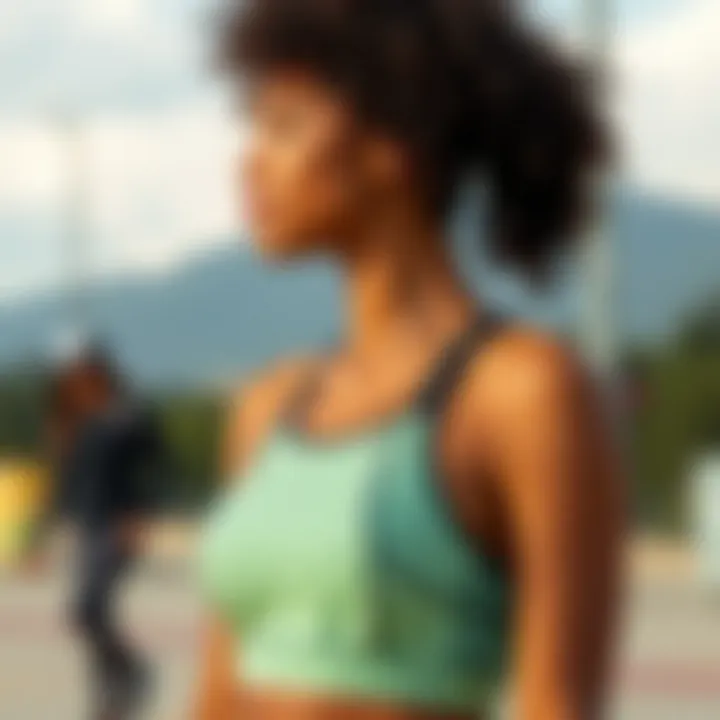
- Summer: Strappy sports bras and short shorts that prioritize ventilation are essential.
- Fall: Layering becomes significant, with long-sleeve tops and vests that are stylish but warm.
- Winter: Look for thermal leggings and hoodies that provide warmth but don't compromise on style.
By understanding these seasonal trends, one can curate a wardrobe that remains stylish and functional year-round.
"Fashion should be comfortable and allow you to express who you are. Your active wear should be no exception."
Timeless Essential
While trends come and go, certain pieces remain constants in the active wear realm. Understanding these timeless items is crucial for creating a versatile wardrobe that balances both form and function.
Classic Pieces
Active wear classics include items like black leggings, sports bras, and simple tank tops. These pieces have been around for years, forming the foundation of many workout wardrobes. Their subdued colors allow for mixing and matching, providing flexibility whether at the gym or running errands.
Classic styles are significant as they often translate well into street fashion. A well-fitted pair of leggings combined with a chic blazer can take you from a workout to a meeting with ease.
Styling Tips
Mixing and matching classic pieces with contemporary designs can elevate your look. Here are some tips to achieve that stylish balance:
- Pair a classic black tank with bold-patterned leggings.
- Layer a long-sleeve crop tee over a sporty dress for a unique silhouette.
- Use accessories like headbands or gym bags that align with current trends to add pops of color and style.
By incorporating timeless essentials into your active wear collection, you'll have the flexibility to create multiple outfits that are comfortable and fashionable.
Foreword to Women's Active Wear Sets
In today’s fast-paced world, the role of women’s active wear sets has transformed into something much more than mere clothing. These garments embody a blend of style and functionality that meets the needs of a diverse, active lifestyle. From vigorous gym sessions to leisurely weekend outings, the significance of active wear stretches far beyond the limits of traditional athletic apparel. It’s about empowerment, comfort, and expressing one’s individuality while staying active.
Definition and Purpose
Women's active wear sets are designed to support women in their physical endeavors, often combining both aesthetics and performance. The term "active wear sets" typically encompasses coordinated outfits that include tops, bottoms, and sometimes outerwear specifically engineered for physical activities. Their primary purpose is to provide maximum comfort and functionality, allowing for movement without restriction, while also catering to style preferences. This dual functionality is why many women prefer these sets; they seamlessly transition from the gym to everyday activities, creating ease and versatility.
Historical Context
Tracing the lineage of women’s active wear is fascinating. It illustrates a trajectory reflecting cultural shifts and the evolving perception of women in society. Initially, women’s sports apparel was heavily dictated by societal norms and expectations, often resulting in clothing that was more confining than liberating. This began to change in the late 20th century as movements advocating for gender equality gained momentum.
The advent of fitness culture in the 1980s further propelled the demand for functional yet fashionable active wear. Designer labels began to take notice, and brands like Lululemon and Athleta started transforming the market with vibrant colors and innovative designs that encouraged active lifestyles among women. Today, the historical context of women’s active wear serves as a reminder of how far we've come, highlighting not only shifts in fashion but also the broader empowerment of women in various roles, both inside and outside of fitness.
"Active wear is more than just clothing; it represents a mindset of health and vitality, an attitude that encourages women to engage fully in their activities, pursue their goals, and feel good while doing so."
This overview of the definition and historical context of women’s active wear sets the stage for deeper exploration into the components, materials, design trends, and sustainability options that make these outfits essential in modern wardrobes. As we delve further, we’ll uncover the nuances that make active wear sets not just a choice of clothing but a significant part of a woman’s identity and lifestyle.
Key Components of Active Wear Sets
Understanding the key components of active wear sets is crucial for anyone looking to make informed choices in their fitness journey. The effectiveness and comfort of these outfits largely hinge on their design and functional elements. Each piece plays a significant role not just in aesthetics, but in performance enhancement during physical activities. When selecting an active wear set, considering these components will lead to better engagement in sports and workouts.
Tops: Styles and Functions
Tops in active wear sets vary widely, catering to different activities and preferences. Whether one is doing yoga, running, or hitting the gym, the right top can make all the difference. Key styles include:
- Tank Tops: Great for breathability and ease of movement; perfect for high-intensity workouts.
- Long Sleeve Tops: Ideal for cooler weather, these offer warmth without compromising on style.
- Sport Bras: Designed for support, these tops come in numerous variations, offering diverse levels of compression tailored to activity levels.
Another important aspect is the functionality of these tops. Many incorporate features like mesh panels for increased ventilation or moisture-wicking technologies that help keep sweat at bay. When selecting a top, one should also consider factors like length and cut. Cropped tops may provide a chic appearance for high-energy classes, while longer styles can offer a more relaxed fit for outdoor activities. In essence, the right top not only enhances one's performance but also boosts confidence while working out.
Bottoms: Leggings vs. Shorts
When it comes to bottoms, the debate often centers around leggings and shorts. Each has its own set of merits and drawbacks, influencing choices based on weather, type of activity, and personal preference.


- Leggings:
- Shorts:
- Provide coverage and warmth, making them suitable for cool environments.
- Often made with stretchy fabric that allows for a full range of motion, vital for activities like running or cycling.
- Offer ventilation, which is particularly advantageous during summer months.
- Lightweight and conducive to free movement, making them great for various sports.
It’s important to note the fit of both types. For instance, high-waisted leggings provide support around the midsection, often seen as a positive factor for many women. Meanwhile, shorts can come in various lengths, allowing for customization of how much skin one wants to show or how much mobility they require.
Choosing between leggings and shorts often boils down to understanding one’s environment and needs during physical activities. Women's personal style plays a big role in this choice as well, converting functionality into an opportunity for self-expression.
Outerwear: Layering for Performance
Outerwear serves as an essential layer in an active wear set, especially when transitioning between environments. The importance of breathable yet insulating outer garments cannot be overstated. Common types of outerwear include:
- Jackets:
- Hoodies:
- Vests:
- Often incorporate wind and water resistance, suitable for outdoor runs.
- Provide warmth and comfort; ideal for a casual day transitioning to workout mode.
- Great for layering, allowing freedom of movement while keeping the core warm.
Layering is key in managing body temperature during activities. A good strategy is to start with moisture-wicking base layers and gradually add outer clothing depending on the climate. This allows for ultimate flexibility and comfort while engaging in different exercises. Special attention should also be paid to features like pockets for convenience and reflectivity for safety during early morning or late-night workouts.
Materials Used in Active Wear
When it comes to women’s active wear sets, the choice of materials can make all the difference. This subject not only shapes the comfort and performance of the outfits but also influences factors like durability, breathability, and overall aesthetic. With the rise of athleisure as a staple in many wardrobes, understanding the materials used in active wear is crucial for making informed decisions.
Synthetic Fabrics vs. Natural Fibers
Active wear often comprises two main types of materials: synthetic fabrics and natural fibers. Synthetic fabrics, such as polyester, spandex, and nylon, are widely used for their durability and moisture management properties. These materials tend to retain their shape, dry quickly, and resist stretching and fading, which is essential for the rigors of physical activity.
On the flip side, natural fibers like cotton and bamboo offer breathability and softness. Though they can be less durable and absorb moisture, many have begun to blend these natural properties with synthetics, creating fabrics that balance softness with performance. For example, a cotton-polyester blend can provide a comfortable feel, while still wicking away sweat. In a world driven by both functionality and style, the fusion of materials presents varied options worth exploring for different preferences and activities.
Moisture-Wicking Technologies
Moisture management is a significant aspect of active wear functionality. This is where moisture-wicking technologies come into play. Fabrics that feature this technology are designed to pull moisture away from the skin and transfer it to the fabric’s outer layer, allowing it to evaporate faster.
These technologies provide several benefits:
- Enhanced Comfort: Keeps skin dry during intense workouts.
- Odor Control: Reduces bacterial growth by keeping moisture at bay.
- Performance Boost: Allows for longer, more comfortable workouts.
Brands often incorporate different moisture-wicking treatments, which can vary in effectiveness and feel. For instance, some brands use advanced microfibers that increase moisture transfer speed, while others might focus on breathable mesh panels for ventilation. Understanding these technologies can guide consumers in selecting the most appropriate active wear for their specific activities.
Sustainability in Fabric Choices
As sustainability continues to gain importance in the fashion industry, the choice of materials used in active wear reflects a growing awareness. Consumers today are becoming more eco-conscious, prompting brands to adopt sustainable practices in sourcing and producing fabrics.
Many companies are investing in recycled materials, such as recycled polyester made from post-consumer plastic bottles. This is not only beneficial for the environment by reducing waste but also signifies a shift in the industry towards circular fashion practices.
In addition to recycled fabrics, organic cotton and Tencel, derived from sustainable wood sources, are also on the rise. They offer a softer alternative while reducing the ecological footprint. Here are some key points about sustainable fabric choices:
- Reduced Chemical Use: Organic materials often require fewer harmful chemicals during cultivation.
- Less Water Consumption: Sustainable practices focus on water efficiency, which is crucial in garment production.
- Longevity: High-quality sustainable materials tend to last longer, countering the fast fashion cycle.
Overall, the material choices in active wear today not only reflect a balance between functionality and style, but also an increasing responsibility towards environmental stewardship. As this trend grows, understanding these facets can help consumers align their purchases with personal values.
Design Trends in Active Wear
Active wear is more than just functional clothing; it’s an expression of personal style and a canvas for creativity. In today’s market, where fashion and fitness collide, design trends in active wear shapes not only what we see on the racks but also how we perceive athleticism and lifestyle. From color choices to fit innovations, these trends play a pivotal role in consumer preferences, often influencing purchases and overall satisfaction.
As women's active wear continues to evolve, an emphasis on design allows for a balance between utility and aesthetic appeal, catering to diverse tastes and needs. Not only do these styles enhance performance, but they also serve to empower wearers, granting them confidence as they engage in various physical activities. Given the competitive nature of the fashion industry, staying abreast of these trends is crucial for brands and consumers alike.
Color Palettes and Patterns
Color and pattern selections in active wear have transcended traditional selections, with a noticeable shift towards bolder, more vibrant choices. Rich jewel tones, earthy hues, and pastels are just scratching the surface. These colors cater to a wide demographic, allowing individuals to assert their personality through their wardrobe.
Patterns, too, have seen a renaissance.
- Geometric designs are popular, often enhancing the visual interest of active wear without compromising functionality.
- Nature-inspired motifs, such as florals or landscapes, also appeal to those looking to merge their love of nature with their fitness lifestyle.
Wearing bright colors or unique patterns can have a psychological effect, enhancing motivation and injecting a bit of joy into workouts. Embracing these expressive elements, wearers find active wear that not only fits their body but also aligns with their emotional needs.
Fit and Comfort Innovations
The fit of active wear sets has transformed tremendously over the years. With a growing awareness of body diversity, brands have begun to understand that a one-size-fits-all approach simply won't cut it. Today’s designs cater to various body types, ensuring that every woman can find something that fits comfortably and looks fabulous.
Innovations in fit include:
- High-waisted designs for leggings, providing support and comfort during extensive workouts.
- Adjustable straps and features in tops that allow for personal customization, ensuring a snug yet flexible fit.


Cutting-edge fabric technologies also contribute significantly to comfort, with options that enhance breathability or provide compression where needed. The layering concept has become popular too—allowing individuals to mix and match for assorted temperature conditions, particularly for outdoor activities. This speaks directly to practical needs, supporting an active lifestyle while addressing the need for fashion-forward designs.
In summary, understanding design trends in active wear is essential for those both creating and consuming within this dynamic space. The interplay of color, patterns, and innovative fits not only speaks to current styles but also addresses the deeper need for confidence and comfort in movement. As we head into the future, the fusion of aesthetics and functionality will likely continue to shape the fabric of active wear.
Choosing the Right Active Wear Set
Selecting the right active wear set is more than just a matter of style; it’s about function and feeling good while doing what you love. Whether you’re hitting the gym, going for a jog, or simply lounging around the house, choosing the appropriate outfit can significantly impact your performance, comfort, and even your confidence. This section aims to guide you through understanding your activity level and how different body types can dictate the perfect fit. The insights provided here are tailored for those in the fashion, fitness, and lifestyle spaces who wish to make informed choices.
Understanding Your Activity Level
Knowing your activity level is crucial for finding the right active wear set. Not all workouts are created equal, and hence, different activities have unique requirements when it comes to clothing. For example:
- High-Intensity Workouts: Activities such as kickboxing or CrossFit necessitate gear that provides maximum support and flexibility. Look for tops with a snug fit and bottoms that move well with your body.
- Yoga and Pilates: These activities require clothing that stretches and breathes yet remains form-fitting enough to allow you to see your alignment. Fabrics that wick moisture away from your body can elevate your comfort during these slow-paced movements.
- Outdoor Activities: If your adventures include trail running or hiking, consider whether you need extra protection from the elements. A lightweight, moisture-wicking jacket might be as essential as breathable leggings.
By recognizing your activity level, you can make better decisions about fabric types, fit, and overall design. It’s not just about what looks good; it’s about giving your body the support it needs.
Fit Considerations for Different Body Types
Every body is unique, and understanding the nuances of your shape can make a world of difference when it comes to comfort and performance in active wear. Here are some considerations to keep in mind:
- Pear-Shaped Bodies: Look for balance. A-line tops that are slightly flared can complement your frame, while high-waisted leggings can enhance your waistline and provide comfort.
- Athletic Builds: If you have a more rectangular shape, you might want clothes that create a curvier silhouette. Consider tops with ruching or detailing and leggings with patterns or colors that are dynamic.
- Curvy Figures: Opt for supportive fabrics that stretch and contour rather than constrict. Leggings with wider waistbands can provide better comfort while avoiding roll-down that can occur with thinner bands.
- Tall Frames: Seek out brands that offer long lengths. You want full coverage without feeling restricted. Active wear designed specifically for taller individuals often comes with extra length in tops and bottoms, preventing awkward adjustments while exercising.
Choosing active wear isn't simply choosing a size or a color; it involves understanding how different elements work together for your body. As the saying goes, "Fit is King." When you can appreciate this connection, the right active wear set becomes not just an outfit, but an ally in your fitness journey.
"The right wear can empower your workout, enabling you to stretch further and run faster. Your comfort level is tied intricately with your fit choices."
In summary, taking the time to understand both your activity level and your body type will pay dividends in the pursuit of health and wellness. With thoughtful selection, you not only enhance your exercise routine but also cultivate a more positive experience with your active wear.
The Role of Branding in Active Wear
In the ever-evolving landscape of fashion, the role of branding in active wear has emerged as a pivotal force shaping consumer preferences and choices. The active wear sector, with its unique blend of functionality and style, attracts diverse clientele. Branding not only differentiates products in a crowded marketplace but also communicates values and lifestyle aspirations to consumers.
When women select active wear sets, they often gravitate toward brands that resonate with their identity and ethics. It’s not merely about the fabric or the fit; it’s about the message that wearing a particular brand sends. For marketers and designers, grasping this nuance is essential. Brand loyalty can stem from perceived quality, innovative technology, and notably, the ethical stance of a brand regarding sustainability.
"Branding in active wear reflects more than product value; it embodies a lifestyle choice, influencing how individuals interact with their environment."
Emerging Sustainable Brands
In recent times, the fashion industry, including active wear, has witnessed a significant shift toward sustainability. Emerging sustainable brands, like PACT and Girlfriend Collective, exemplify this evolution. They focus on using organic materials and ethical production practices. For example, PACT's line of active wear is made from organic cotton, ensuring not only comfort during workouts but also a lower environmental impact.
These brands attract consumers who prioritize eco-conscious choices while still seeking stylish design and functionality. The appeal lies in the transparency of these brands' supply chains; customers appreciate knowing where and how their clothing is made. Additionally, sustainable active wear often features innovative designs that appeal to today’s fashion-forward individuals.
- Key Considerations for Sustainable Brands:
- Ethical sourcing of materials ensures quality and sustainability.
- Transparency about production processes builds trust with consumers.
- Designs must marry aesthetics with performance to cater to active lifestyles.
Influence of Popular Culture
The synergy between active wear branding and popular culture plays an influential role in shaping trends and consumer behavior. Celebrities and influencers often become the face of certain brands, driving demand through their endorsements. For instance, brands like Lululemon and Nike have aligned themselves with prominent figures, creating a cultural phenomenon where their products become fashion statements beyond the gym.
The essence of this influence can be seen in how social media propels brand visibility. Platforms such as Instagram and TikTok allow brands to showcase their products in real-time, often featuring user-generated content from fitness enthusiasts wearing their gear. This not only humanizes the brand but also creates a community around it, fostering a sense of belonging among customers.
- Impacts of Popular Culture on Active Wear:
- Amplified brand reach through influencer marketing.
- Fashion trends shifting based on celebrity endorsements.
- Community building around brand values through social media engagement.
Styling Active Wear Sets
Styling active wear sets is essential in today's fashion landscape, where performance and aesthetics intertwine. This segment of the article examines how combining function with style can lead to outfits that are not only suitable for workouts but also meet the expectations of casual everyday wear. From choosing the right pieces to understanding how to accessorize, mastering the art of styling active wear can enhance both comfort and confidence.
Mixing and Matching for Everyday Wear
Incorporating active wear into daily outfits requires a bit of creativity and an eye for detail. One of the core benefits of active wear sets is their versatility; they can be dressed up or down, depending on the occasion. Here are some points to consider when mixing and matching:
- Find Your Base: Start with a comfortable yet chic base. Think about wearing a fitted sports bra combined with high-waisted leggings; this classic combo can be stylish enough for a coffee run or running errands.
- Layer for Adaptability: Adding a loose tank top or an oversized sweatshirt can change the entire vibe. Consider colors that complement your leggings or tops. For instance, pairing vibrant leggings with a neutral top creates a balanced look.
- Go for Unique Textures: Mixing materials can elevate your outfit. Pairing a sleek, shiny pair of leggings with a soft, textured top can create visual interest.
- Break the Rules: Don’t shy away from mixing prints, like floral leggings paired with a striped crop top. It’s an adventurous look that can turn heads.
Overall, the key is to experiment. Finding the right combinations can be a fun process, leading to truly unique styles that reflect personal flair.
Accessories to Enhance Your Look
Accessories play a pivotal role in styling active wear sets. They can take a simple outfit from average to eye-catching without requiring a complete wardrobe overhaul. Here are some accessories that can elevate your active wear:
- Footwear Matters: Stylish sneakers can serve as the focal point of your outfit. Choose shoes that not only provide support but also add a pop of color or an interesting silhouette.
- Functional Bags: A sleek gym bag doubles as a day-to-day purse, making it practical while still fashionable. Opt for designs that provide space for essentials without being too bulky.
- Hat It Up: Hats can offer protection from the sun while also adding a dash of personality. A classic baseball cap or a trendy beanie can complete your look.
- Layered Jewelry: Simple yet elegant pieces, such as minimalist necklaces or stacked bracelets, can add sophistication without feeling overdone.
Incorporating these accessories strategically ensures that your active wear reflects your style while serving functional purposes. As fitness blends with fashion, the possibilities for styling are endless, inviting anyone to put their best foot forward in active wear.
Maintenance and Care for Active Wear
Proper maintenance and care of active wear is crucial to ensure not only longevity but also sustained performance. Unlike your regular attire, active wear often comes equipped with a variety of high-tech fabrics designed to wick moisture and allow for maximum breathability. If these garments are not cared for properly, they can wear out quickly or lose their functional integrity. Moreover, understanding how to maintain these items enhances their ability to support your workout routines, making them an essential part of your active lifestyle.

Washing Techniques to Preserve Quality
When it comes to washing active wear, careful attention is your best friend. Unlike regular cottons, the synthetic fibers commonly found in active wear have specific needs.
- Cold Water Cycle: Always wash your active wear in cold water; hot water can cause elasticity to deteriorate.
- Mild Detergent: Use a mild detergent that is free from bleach and fabric softeners. These can harm the moisture-wicking properties of your attire.
- Avoid Overloading: Don’t cram a ton of clothes into the washer. This can lead to friction that breaks down fibers.
When dealing with stains, a gentle rub with a cloth or sponge might do the trick; however, avoid soaking your entire garment unless absolutely necessary. Think of it as giving your favorite sports bra a spa treatment—gentle and thorough are the names of the game.
Storage Tips for Longevity
How you store your active wear plays a big role in its lifespan. Here are some practical tips to keep your gear in top shape:
- Dry Before Storing: Always ensure your items are completely dry before putting them away. Damp conditions can lead to mold and odors.
- Hanging vs. Folding: Prefer hanging your garments when possible to avoid creases that can weaken fabric over time. Use padded hangers to protect delicate straps.
- Avoid Direct Sunlight: Store your active wear in a cool, dark place. Prolonged exposure to sunlight can fade colors and weaken fabrics.
Interestingly, some enthusiasts suggest using a dedicated drawer or container specifically for sports gear. This can help keep your active clothes organized and ensure that they remain in peak condition. It's like setting up a VIP section for your favorite workout gear, which makes reaching for it during your next routine quite enjoyable.
Remember: With proper washing and storage, your active wear can go the distance, supporting you through countless workouts and adventures ahead.
By integrating these maintenance practices into your routine, you'll not only maintain the optimal performance of your active wear but also contribute to sustainable fashion by reducing waste. For more in-depth discussions on fabric care, you might find [this article from the Fashion Institute of Technology] useful.
Active Wear in Different Contexts
The diverse landscape of active wear sets plays a pivotal role in shaping how women experience fitness and leisure activities today. Understanding the context in which these garments are utilized is essential. Active wear serves not only functional needs but also psychological and social ones. Choosing the appropriate outfit for different situations can enhance performance, boost confidence, and reflect personal style. This section delves into how active wear is adapted for specific environments, ensuring that performance and aesthetics are well balanced.
Gym Use vs. Outdoor Activities
When it comes to active wear, differentiating between gym use and outdoor activities is crucial. Each context demands specific functionalities from the clothing.
Gym Use: At the gym, the focus is often on performance-enhancing features. Here are some points to consider:
- Breathability: Gym environments can get steamy, so fabrics that allow for airflow are preferred. Look for materials like polyester blends that promote ventilation.
- Support: For women, a well-fitted sports bra is essential, providing necessary support during high-impact workouts. Leggings with compression technology can improve blood flow and reduce muscle fatigue.
- Durability: Gym wear needs to withstand rigorous movements. Look for reinforced seams and durable materials that resist wear and tear.
Outdoor Activities: On the flip side, outdoor sports require versatility and protective features. When selecting active wear for the great outdoors, consider:
- Weather Resistance: Fabrics that resist moisture and repel wind can make a significant difference. Water-resistant jackets and breathable tops help in varying conditions.
- Fit and Mobility: With activities like hiking and running, a focus on fit is paramount. Look for active wear that allows for a full range of motion without feeling restrictive.
- Layering Potential: Outdoor enthusiasts often need to layer clothes. Consider moisture-wicking base layers topped with insulating mid-layers and weatherproof outer layers for maximum adaptability.
To sum it up, when choosing active wear, it's about addressing the unique demands of each setting: the controlled environment of the gym versus the unpredictable nature of outdoor activities.
Casual Wear and Athleisure Trends
The line between gym wear and casual clothing has blurred with the rise of athleisure, allowing active wear to double as comfortable daywear. This trend is not merely a fashion statement; it reflects changing lifestyle choices:
- Comfort Meets Style: Athleisure emphasizes style along with functionality, allowing one to transition from the gym to the café seamlessly. Look for high-waisted leggings that pair well with a casual blouse or a fitted cropped top.
- Versatility: Athleisure sets, such as joggers and stylish hoodies, can serve multiple functions. They are great for workouts, running errands, or hanging out at home — a genuine win-win situation.
- Sustainability: There's an increasing demand for eco-friendly athleisure options. Brands are stepping up, providing choices made from recycled or organic materials, meeting both aesthetic and ethical expectations.
Athleisure isn't just a trend; it's a representation of modern women pushing back against restrictive norms while embracing versatility and comfort in their wardrobe choices.
In summary, understanding active wear's functionality in both the gym and outdoor settings, along with its evolution into casual wear, enhances its value significantly. This awareness not only informs purchase decisions but also improves the user experience, whether it be through the utilization of tech-infused fabrics or simply feeling at ease during daily activities.
For further insights, explore resources such as Wikipedia on Sportswear or Britannica about Active Wear to dive deeper into the significance of active wear in our lives.
Future Directions in Active Wear
The world of women’s active wear is shifting, and understanding these upcoming trends is crucial for anyone involved in fashion, fitness, or lifestyle industries. As we set our sights beyond the current landscape, the future of active wear showcases innovations and changes that further meet the evolving needs of consumers. This section takes a closer look at two specific areas that hold significant potential: technological advancements and an increasing focus on eco-conscious fashion.
Technological Innovations on the Horizon
In an era where technology permeates every aspect of our lives, active wear is not left behind. The next few years could bring a plethora of innovations that enhance performance and comfort. Here are some key trends that might shape the way we view active wear:
- Smart Fabrics: These advanced materials are engineered to monitor performance. Imagine leggings that track your heart rate or sports bras that provide feedback on posture or breathing. This could fundamentally change how workouts are approached, allowing users to personalize their fitness routine based on real-time data.
- Seamless Integration with Apps: As fitness apps grow in popularity, the notion of wearable technology becomes increasingly accessible. Active wear that syncs with fitness trackers or mobile applications can encourage better engagement in workouts, offering tailored suggestions and performance metrics on the go.
- Adaptive Technology: Active wear that adapts to body temperature or humidity levels may soon be a reality. Fabrics could dynamically respond to external conditions, optimizing comfort and performance.
This push towards integrating technology into clothing does not only aim to enhance functionality; it’s also about creating a connection between the user and the product, encouraging a more engaging fitness journey. As consumers become increasingly health conscious, these innovations stand to engage them in new and exciting ways.
The Shift Towards Eco-Conscious Fashion
While technology leads the way, sustainability is undeniably a topic taking center stage in active wear. The pushing environmental concerns are prompting brands to rethink their sourcing and production methods. The following aspects reflect this shift:
- Sustainable Materials: Brands are now exploring recycled fabrics, such as recycled polyester made from plastic bottles. This trend not only reduces waste but also encourages consumers to consider the lifecycle of their clothing.
- Ethical Production Practices: More companies are highlighting the importance of fair labor practices and transparency in their supply chains. Consumers are increasingly demanding accountability from brands, making ethical production a vital consideration for active wear lines.
- Longevity and Versatility: Consumers are leaning towards pieces that offer durability and multifunctionality. Instead of buying one-time use or trend-driven pieces, many prefer items that can serve multiple purposes, seamlessly transitioning from gym wear to casual outings.
"Today's shoppers are not merely looking for products; they are seeking meaningful connections with brands that align with their values."
Rounding out these considerations, it’s clear that the future of women’s active wear is not just about aesthetics or trend-following. It embodies a blend of advanced technology and conscious fashion choices, ensuring that consumers are equipped to make choices that benefit both their own lifestyle and the planet. Brands that leverage these avenues aptly may find that they not only capture market share but, more critically, foster long-term loyalty among increasingly discerning audiences.
The End
In this rapidly evolving fashion landscape, understanding women's active wear sets is not just about keeping up with trends; it’s about recognizing their multifaceted importance. The article has dissected various elements that contribute to the growing significance of these garments, from their foundational definitions to their modern incarnations.
Active wear serves a dual purpose: it is both functional and fashionable. Women can engage in physical activities while radiating confidence in stylish designs tailored to their needs. This is pivotal, as it fosters a sense of empowerment and encourages more women to embrace fitness routines without compromise.
Key elements to remember include:
- The evolution of materials, showcasing the shift to eco-conscious options that do not sacrifice performance.
- Design innovations that cater to diverse body types and preferences, making active wear inclusive.
- Trends influencing daily styling, such as versatility, which allows women to seamlessly transition from workout sessions to casual outings.
As the active wear market grows, considerations such as sustainability and ethical sourcing become more imperative. Consumers are increasingly seeking brands that share their values, pushing for change within the industry. This growing emphasis on conscious consumerism not only influences purchasing decisions but also inspires brands to rethink their approaches.
"Fashion might fade, but style is eternal." This adage rings true here. By selecting the right active wear, women can express their individuality while reaping the benefits of high-performance clothing appropriate for various activities. Women must prioritize comfort, fit, and style in their choices, ensuring that their attire reflects their unique personalities.
The conclusion of this exploration serves as both a summary of key insights and a call to action for all women: engage in personal exploration when it comes to active wear. Remember, the right set can enhance not just your workout but also your confidence and everyday life.