Discovering the Best Scarf for Hijab: Materials and Styles
Intro
In a world where fashion is constantly evolving, the blend of tradition and contemporary styles becomes vital for those who wear hijabs. Scarves play a pivotal role in this dynamic, serving not just as a fashion accessory, but also as a representation of identity and culture. Notably, understanding the intricacies of selecting the perfect scarf can enhance the hijab experience, marrying functionality with flair. This article will guide you through the various aspects of scarves, paying attention to materials, styles, and practical tying techniques. With each section, we aim to deepen your appreciation for these essential pieces, ensuring you choose wisely to reflect personal style and cultural values.
Fashion Trends
Emerging Styles
As we look forward to the latest fashion waves, keeping an eye on emerging scarf styles can elevate any hijab ensemble. For instance, the rise of oversized and rectangular scarves has empowered many to experiment with volume and draping. Lightweight chiffons and crisp cottons are especially popular, providing a canvas for various colors and patterns. Gradient hues and floral prints in soft fabric can create that effortless, bohemian look, while bold geometric designs scream for attention on any runway.
To incorporate these trends into daily wear, mix and match bold scarves with simpler clothing. An oversized scarf can complement a monochrome outfit perfectly, offering contrast and flair. Consider big silhouettes in your styling arsenal to give off an air of modernity while still adhering to personal values.
Seasonal Must-Haves
Adapting to the seasons is another key aspect of stylish scarf wearing. As winter brings colder temperatures, heavier fabrics like cashmere or wool should be sought out for warmth without sacrificing style. These fabrics not only provide necessary insulation but can also be draped multiple ways, ensuring versatility.
For the summer months, light cottons or linens can keep you cool while providing the elegance desired in a hijab. Colors that reflect the season—like vibrant pastels in spring or rich earth tones in fall—can help to keep your look fresh.
Timeless Fashion
Classic Pieces
When diving into the world of scarves, certain styles have become classics, remaining ever-relevant in fashion cycles. The plain black or white scarf serves as a universal staple, seamlessly integrating into virtually any outfit. Additionally, the traditional pashmina scarf evolves with time, lending its luxurious feel to both everyday wear and special occasions.
Scarves patterned with paisley or polka dots are examples of timeless choices that can brighten or downplay any outfit, dependent on how they are styled. These items carry stories, from past generations to present-day fashionistas, making them treasures in anyone’s wardrobe.
Styling Tips
Mixing classic pieces with contemporary trends can result in stunning looks that celebrate both history and innovation. For instance, pairing a classic black scarf with a trendy cropped jacket and high-waisted jeans creates a chic vibe that is both fashionable and respectful. Elevate the look by experimenting with accessories like statement earrings or belts, inviting a sense of personal flair.
It’s also essential to consider the tying technique. A simple knot can transform the drape, changing an everyday look into something extraordinary. Consider trying out different approaches, such as the turban-style wrap, which adds height and character, or the classic draped look, which embodies elegance and sophistication.
"Fashion is not just about what you wear; it's how you wear it."
In summary, finding the perfect scarf for your hijab should embrace both contemporary trends and established classics. With a proper understanding of materials, styles, and tying techniques, you can effortlessly enhance your look, representing both cultural roots and modern sensibilities successfully.
For more insights and inspirations, visit Wikipedia on Hijab Styles and explore contemporary artices on fashion from Britannica. Join community discussions on Reddit for tips and creative ideas.
Understanding the Hijab
The hijab is more than just a piece of cloth; it symbolizes a deep cultural and social identity for millions of women around the world. Understanding the hijab involves delving into its rich history, diverse interpretations, and cultural significance. This section offers an essential foundation for readers looking to appreciate the nuances behind hijab fashion, particularly when it comes to selecting scarves that complement this style.
Cultural Significance
The hijab carries significant cultural weight across various societies. For many, wearing the hijab is a statement of faith and personal choice, rooted in religious beliefs and practices. It fosters a sense of belonging to a community and can express cultural identity.
- Connection to Tradition: In numerous cultures, the hijab is deeply intertwined with traditional practices, often passed down through generations. It represents a connection to one's roots.
- Empowerment and Autonomy: Contrary to some perceptions, many women feel empowered by their choice to wear the hijab. It allows for self-expression, where the choice of materials, colors, and styles is personally significant.
- Representation: As public interest in diverse cultures grows, the hijab also plays a crucial role in representing Muslim women in areas like media, fashion, and art. Its visibility can challenge stereotypes and broaden societal understanding.
To truly appreciate why the hijab matters, one must explore these cultural fabrics woven into its existence. The scarf, as an accessory within this, becomes a canvas for fashionable expression.
Historical Context
The history of the hijab is as varied as the cultures in which it exists. From the early days of Islamic society to the modern age, the hijab’s function and representation have evolved.
- Early Islamic Society: Historically, various forms of head coverings appeared long before Islam. They were often associated with modesty and social status. In early Islamic texts, the hijab served practical purposes, such as protection from the elements and maintaining personal privacy.
- Colonial Influence: During colonialism, the hijab faced scrutiny and was often viewed through an imperialistic lens. Many Western narratives misrepresented its meaning, prompting debates about autonomy versus oppression.
- Recent History: Fast forward to the 21st century, the hijab's reinterpretation has sparked conversations around feminism, cultural appropriation, and identity. For instance, who gets to define or critique hijab-wearing women changes depending on the observer’s sociopolitical lens.
These historical insights allow a clearer picture of how the hijab has transitioned from a symbol of religious observance to one of personal and political significance.
Modern Interpretations
In today’s world, the hijab is not just a traditional garment; it has taken on a myriad of meanings reflecting contemporary society. Various factors shape these interpretations:
- Fashion Trends: Designers integrate the hijab into mainstream fashion, experimenting with materials and styles to fit modern aesthetics. The rise of modest fashion blogs and influencers has also played a significant role in redefining how hijabs and scarves are viewed in fashion.
- Cultural Fusion: Many contemporary hijab-wearing women blend their cultural heritage with global fashion trends. This fusion can be seen in social media platforms, where women showcase their distinctive styles that harmonize traditional attire with modern looks.
- Personalization: Today’s women find creative ways to personalize their hijab styles. Many choose scarves that express their individuality through unique ties and colors, crafting outfits that resonate with their personal taste while maintaining their commitment to modesty.
This section illustrates that the hijab, alongside scarves, reflects ongoing dialogues about identity, culture, and style. In a world where fashion often echoes deeper societal themes, understanding the hijab's role allows for a more inclusive perspective on wardrobes worldwide.
The Role of Scarves in Hijab Styles
Scarves play a pivotal role in the world of hijab styling, acting as a bridge between tradition and personal expression. Their versatility goes beyond mere function; they transform a simple outfit into an articulation of culture, identity, and individual flair. The importance of this topic within our discussion on hijabs lies in understanding how these accessories can enhance and complement the overall look, providing both aesthetic appeal and emotional significance.
Types of Scarves
Wrap Scarves
Wrap scarves are perhaps the most classic form of scarf used in hijab styling. Their long, rectangular shape allows for a multitude of wrapping methods, making them a staple in many wardrobes. One of the main advantages of wrap scarves is their flexibility; they can be styled to achieve a snug fit or a looser drape, catering to various preferences and occasions.
A unique feature of wrap scarves is their ability to layer, which can add dimensions to an outfit without overwhelming it. For instance, a lightweight wrap scarf can provide just the right touch of elegance for a summer event, while a heavier version can offer warmth during winter. However, the downside to consider is that they may require a bit more skill to wrap without loosening throughout the day.
Infinity Scarves
Infinity scarves, with their continuous loop design, bring a different flair to hijab styles. These scarves are particularly popular among those seeking ease and convenience. With no ends to fuss over, they can be thrown on with minimal effort, making them an ideal choice for busy mornings or casual outings.
The unique characteristic of infinity scarves is how effortlessly they layer around the neck, creating a chic, polished look. However, they may not always provide sufficient fabric to achieve certain styles, leading to limitations in versatility compared to standard wrap scarves. Nonetheless, their simplicity and modern appeal make them a beloved option for many.
Square Scarves
Square scarves offer yet another dimension to hijab styling. With their symmetric shape, they can be folded and tied in various ways, allowing for diverse looks. One notable advantage of square scarves is their ability to be both functional and fashionable—they can be styled elegantly or utilized pragmatically to provide coverage.
Their unique feature is the versatility in folding techniques; they can be tied as a turban or simply draped for a softer look. An important consideration, however, is that they may not suit every face shape or outfit, requiring attention to how they’re styled to create balance. Yet, for those who master the various tying methods, square scarves can become a statement piece in any wardrobe.
Styles and Trends
Seasonal Colors
Incorporating seasonal colors into scarf choice greatly influences the aesthetic appeal of a hijab style. Whether it's the lush greens and rich browns of autumn or the light pastels of spring, seasonal colors create relevance and freshness in one’s look. The key characteristic of employing these colors is that they resonate with nature’s cycles, offering a way to connect personal style with the world outside.
What’s more, seasonal color trends not only align with nature but can also enhance mood and engagement in daily life. The downside can be that some may feel limited to only seasonal shades, potentially restricting long-term versatility. However, those willing to adapt will find their scarf game consistently updated and relevant.
Patterns and Textures
The addition of patterns and textures into scarf selection brings personality and dynamism to hijab styles. A paisley print can exude elegance, while geometric designs can impart a modern twist. The unique characteristic of textured fabrics, such as chiffon or silk, can add depth to a simple outfit, creating a more engaging visual experience.
Using patterns can often be a double-edged sword. On one hand, they can enhance an outfit and express individuality; on the other hand, they require careful pairing with other clothing items to achieve harmony. Mastering the delicate balance of patterns and textures goes a long way in developing a standout hijab style.
"Scarves do more than just cover; they are storytellers of culture and style. Choosing the right type can elevate both the meaning and the aesthetic of a hijab."
In the grand tapestry of hijab fashion, scarves are undeniably a foundational thread, weaving together the elements of personal style, cultural significance, and modern trends.
Choosing the Best Materials
When it comes to scarves for hijabs, the choice of material is as crucial as the style itself. Selecting the right fabric blends comfort with practicality, and each material brings its unique benefits and challenges. Knowing about these can steer you in the right direction when you want a scarf that not only complements your outfit but also meets your personal comfort needs.
Natural Fibers
Natural fibers are often praised for their breathability and comfort. When considering the materials, it's essential to understand their characteristics and how they can enhance your hijab experience.
Cotton
Cotton is the workhorse of fabrics. This material is renowned for its softness and ability to absorb moisture, making it an excellent choice for everyday wear. One of the standout traits of cotton is its breathability. This means it allows air to flow freely, keeping things cool and comfortable, particularly during the hot months. However, one downside is that cotton can wrinkle easily, which might not be ideal for those seeking a polished look.
Nevertheless, because of its versatility, cotton scarves can be dressed up or down. The wide array of colors and prints available also means you can find something for any ensemble. As it wears in, cotton often gets softer, feeling like a second skin, which can be beneficial in longer wear situations.
Silk
Silk, on the other hand, elevates elegance. Its shiny surface and soft texture are hard to beat when you want to make a statement. Silk is light and drapes beautifully, making it a superb option for formal occasions. A key characteristic of silk is its warmth yet lightness, which can make it a year-round accessory. However, it does require more care when cleaning, as many silk fabrics can’t tolerate machine washing without losing their quality.
In terms of versatility, silk can transition seamlessly from day to night. A simple transition with a silk scarf can elevate casual attire to something more glamorous. The downside? It tends to be pricier and isn’t as forgiving when it comes to temperature regulation.
Wool
Wool should not be overlooked, especially in cooler weather. This fiber offers excellent insulation, providing warmth without feeling bulky. It's hypoallergenic too, which is a big plus. One unique feature of wool scarves is their ability to wick away moisture, keeping you dry.
On the flip side, many people might find wool to be itchy against the skin, particularly in lighter weaves. Therefore, it’s essential to find the right type of wool or mix to ensure comfort. Consider using wool in winter months; it adds an element of coziness that’s hard to replicate.
Synthetic Fabrics
Synthetic fabrics also hold a noteworthy place in the scarf market. They tend to be affordable and durable, making them popular choices, particularly for those who appreciate lower-maintenance options.
Polyester
Polyester is known for its resilience. This material is particularly resistant to wrinkles and shrinking, allowing for easy care. It is often blended with other fabrics to combine the best features of each. The downside is that while polyester can mimic the look of natural fibers, it may not be as breathable as cotton or silk, which could lead to discomfort in warm climates. However, it’s an excellent option for those who want their scarf to maintain its shape and color after multiple washes.
Viscose
Viscose is another synthetic fabric that deserves attention. It mimics the look and feel of silk, making it a more affordable alternative. One of its appealing characteristics is its drape; it tends to flow smoothly and create attractive silhouettes. However, like polyester, viscose can struggle with moisture-wicking capabilities, which means during hot and humid days, it might not be your best friend.
Sustainability Considerations
In recent years, sustainability has become not just a buzzword but a requirement for many consumers. When selecting fabrics, consider the environmental impact of the materials. Natural fibers might be more biodegradable, while some synthetic fabrics can take hundreds of years to decompose. Consider looking for scarves made from recycled fibers or organic materials, as these options can reduce your carbon footprint.
When you think about purchasing a scarf for your hijab, evaluate not just the aesthetics, but also how the materials align with your values and lifestyle. The right choice can bolster your elegance while being kinder to the planet.
Styling Techniques for Scarves
When it comes to wearing a hijab, wrapping techniques are not just an art form; they can speak volumes about your personality and style. Understanding different styling techniques for scarves is essential for enhancing the overall look while ensuring comfort and cultural respect. Selecting the right style can dictate how well your scarf complements your attire, and can elevate your entire outfit. Thus, mastering various draping styles and tying methods allows anyone to express individuality, merge tradition with contemporary trends, and showcase personal fashion sense.
Draping Styles
The Classic Wrap
The classic wrap is an enduring favorite and often the first style one learns. This method typically involves wrapping the scarf around the head and securing it at the nape of the neck or using a pin. The beauty of the classic wrap lies in its versatility; it can be worn elegantly with formal outfits or casually with everyday attire. Its clean lines provide a sophisticated look, which makes it a choice among many women who prefer simplicity without sacrificing style.
A significant aspect of this style is that it flatters almost all face shapes. However, it requires a bit of practice to ensure it stays in place throughout the day, especially in windy weather. Moreover, the classic wrap is usually ideal for those who prefer to conceal more hair, making it suitable for traditional events and religious gatherings.
Loose Drapes
Loose drapes bring in an aura of relaxed elegance. This style allows for more of the hair to show, which can give a softer, more approachable look compared to tightly wrapped styles. It’s a fantastic choice for daily wear as it allows for breathability while still maintaining a decorative touch.
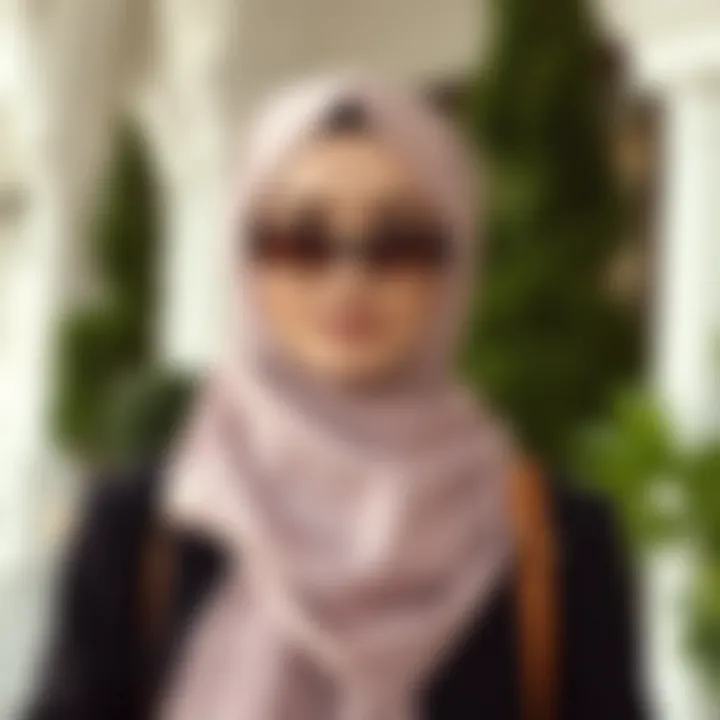
What sets loose drapes apart is the lighter configuration of fabric; the scarf flows freely over the shoulders. This can sometimes lead to unintentional slipping, thus requiring occasional adjustments. However, its whimsical nature can instantly transform a basic outfit into something stylish yet effortlessly chic, which explains its growing popularity.
Layering Techniques
Layering techniques provide endless opportunities to play with colors, patterns, and textures. By layering several scarves of different materials or patterns, one can create an incredibly dynamic look. This approach is particularly well-suited for colder months; a wool scarf layered over a silk one can provide warmth while also being visually appealing.
The strength of layering is in its ability to create depth and interest. However, it can be a bit cumbersome if not structured well, leading to a bulky appearance. Nonetheless, when executed correctly, layering can make your overall outfit stand out beautifully, marrying comfort with high fashion.
Tying Methods
Basic Knot
The basic knot is as straightforward as it sounds. This method involves tying the ends of the scarf together after it is wrapped around the head, making it secure yet simple. It serves as a quick, functional option for those who may be late or want to minimize fuss. The knot can be adjusted in size depending on the scarf's length, enabling various looks without a heavy commitment.
Its key characteristic of being easy to master makes it a go-to choice for many. The downside is that it may lack the polish of other techniques, but its practicality can come in clutch during busy days.
Twist and Tie
The twist and tie method adds a creative flair to the basic styling. By twisting different sections of the scarf before tying, wearers can achieve a more textured and dimensional look. This technique lends itself well to artistic expression, as the twist can create visual intrigue while allowing the person to show off their unique style.
However, it can require a bit more time and practice to get right. The balance in achieving the perfect twist can be tricky; if twisted too tightly, the fabric might not sit comfortably, leading to an uneven appearance.
Belted Styles
Belted styles take hijab fashion to new heights. This technique involves draping and tying the scarf and then cinching it at the waist with a belt. This approach not only adds a fashionable element but also helps define the silhouette, creating a stunning hourglass shape.
Key to this method is its dual functionality; it keeps the scarf secure while serving as an accessory. However, choosing the right belt is critical, as an ill-fitted belt can detract from the look altogether. Despite that, the belted style is particularly favored among fashion-forward individuals looking to merge modesty with cutting-edge trends.
When done rightly, mastering these techniques can significantly broaden your wardrobe options and refresh your style profile, allowing you to transition seamlessly from casual to formal settings.
In summary, diving into the stylistic elements of hijab-wearing enriches both the experience and the personal statement it communicates. By exploring the various draping styles and tying methods, individuals can cultivate their unique flair while respecting the cultural significance of their attire.
Caring for Your Scarves
Caring for your scarves is more than just a chore; it’s an essential part of ensuring they last and look great over time. Just like any cherished piece in your wardrobe, proper care can extend the life of your scarf and maintain its beauty. Scarves can be made from a variety of fabrics, each requiring unique handling methods. This section aims to provide insight into washing techniques and storage solutions, helping you protect your investment in hijab fashion.
Washing Techniques
Hand Washing
Hand washing is often touted as the gold standard for cleaning delicate fabrics. The gentle nature of this method helps preserve the texture and color of your scarf. Why choose hand washing? It’s simple: you have full control over the washing process. You can tailor the temperature of the water and the amount of agitation – both crucial in keeping your scarf looking fresh.
One of the unique features of hand washing is that it minimizes the risk of snagging or damaging the fibers. A scarf made of silk or fine cotton can be particularly sensitive; a rough tumble in the machine might leave it with pulls that aren’t easy to fix. Additionally, hand washing is often gentler on dyes, helping prevent bleeding, so your colors stay vibrant longer.
However, keep in mind that it can be more time-consuming than machine washing. If you have a busy schedule, finding time for this method might prove challenging.
Machine Washing
Machine washing, on the other hand, is a time-saver for many. Often viewed as a practical choice, it allows you to clean several pieces at once without the manual labor of hand washing. If you set your washing machine to a gentle cycle and use cold water, you can minimize the damage usually associated with mechanical washing.
The standout feature of machine washing is its efficiency. You can throw your scarf in with a load of laundry and be done without much hassle. This makes it a popular choice for people who own multiple scarves and want to simplify their care routine.
However, there are disadvantages. Not all fabrics handle machine washing well, and it can lead to shrinking or fading over time. For those who invest in high-quality scarves, understanding the proper care methods is paramount to avoid premature signs of wear and tear.
Storage Solutions
Rolling vs. Folding
When it comes to storing your scarves, the method you choose can make all the difference in their longevity. The debate between rolling and folding has significant implications for fabric health. Rolling allows air circulation, reducing creases and unwanted folds while also taking up less space in drawers or boxes. This method is particularly beneficial for delicate scarves, as it minimizes stress on the fabric.
On the flip side, folding may seem more straightforward; however, it can lead to unsightly creases, especially if not done carefully. The key characteristic of folding is that it can work well for sturdier fabrics. Some prefer to stack their scarves neatly, which allows for clear visibility and quick access.
If you opt for using both methods, you can tailor your storage to the specific needs of each scarf. For example, silk may prefer rolling, while thicker wool scarves might be happier folded neatly in a designated space.
Using Scarves as Accessories
Scarves can serve a dual purpose: not only do they keep you warm or stylish when worn on the head, but they can also accessorize your clothes in a myriad of ways. Using scarves as accessories opens the door to creativity, allowing for personalization in a wardrobe. Whether you opt to tie it on a handbag, wear it as a belt, or even in your hair, the possibilities are immense.
The versatile nature of scarves makes them an invaluable addition to any outfit. They can instantly elevate a plain look, making them a popular choice among fashion influencers and stylists alike. However, employing them as accessories means you’ll want to be careful with their care. So, while you’re getting creative, don’t forget to handle them gently to keep your look sharp and fabulous.
Common Mistakes in Scarf Selection
Choosing the right scarf can be a tricky frontrunner in the journey of creating a stylish hijab ensemble. While some may think that any scarf will do, several common pitfalls can make or break an outfit. Understanding these mistakes can lead to more confident choices, solidifying one’s personal style while maintaining comfort. To avoid any hiccups, let's delver into some key considerations and insights on common oversights in scarf selection.
Neglecting Fabric Composition
When it comes down to fabric, you might be tempted to choose based on what looks pretty or is on trend. However, neglecting the fabric’s composition can lead you astray. Not all materials are created equal. For instance, silk scarves may look luxurious but can be slippery, making them harder to manage on windy days. On the other hand, cotton scarves provide a stronger grip and breathability, an essential factor for warmer climates.
Here are a few things to keep in mind when evaluating fabric composition:
- Breathability: Choose lighter fabrics during the hot season. Materials like linen or airy cotton allow air circulation.
- Seasonality: Heavier fabrics like wool may be suitable for winter, but can feel like a sauna in hot temperatures.
- Texture: A rough texture can create friction, making it difficult to style the scarf properly.
"Opting for the wrong fabric isn’t just a fashion faux pas; it can lead to uncomfortable wear throughout the day."
Knowing how each fabric behaves against your skin and in different climates makes a world of difference in your selection process. Don’t overlook this component in favor of aesthetics alone.
Ignoring Personal Style
With so many trends swirling around, it can be all too easy to get swept up in what seems popular. However, ignoring personal style can result in selections that don’t resonate or make you feel good. Consider your fashion preferences and how a scarf complements your unique style rather than solely chasing fleeting trends.
Reflect on these aspects:
- Colors that Suit You: Colors play a vital role, and wearing shades that complement your complexion can elevate your overall look. If you look washed out in certain colors, it’s time to rethink that choice.
- Pattern Complexity: Some patterns catch the eye while others do nothing but distract. A patterned scarf that clashes with your outfit or is too busy can take away from elegance.
- Versatility: Think about the versatility of your choice. A classic scarf in a solid color can be styled in many ways, easily pairing with various outfits.
A well-chosen scarf provides an opportunity to express who you are without saying a word.
Ignoring your own preferences can lead to a wardrobe filled with garments that just sit idly. Instead, embrace what you love and let it shape your choices. Letting personal taste guide your selections will not only enhance your style but also foster a sense of confidence as you step out in your uniquely curated look.
Incorporating Scarves into Everyday Wear
Integrating scarves into everyday wear is not merely a matter of aesthetics but an embodiment of personal expression. In the context of hijab fashion, it becomes particularly significant, merging functionality and style.
Scarves can transform an ordinary outfit into something remarkable. They act as the finishing touches that elevate not just the look but also the wearer's confidence. Whether it be a casual gathering or a formal event, the right scarf can tie the whole ensemble together seamlessly.
Casual Outfits
When it comes to casual outfits, a scarf can bring a fresh twist. Imagine pairing a light cotton scarf with a simple t-shirt and jeans—instantly, it feels more thoughtfully put together. You can play with colors and patterns, infusing a bit of your personality into the outfit.
For instance, a floral or geometric pattern can add a lively vibe to your attire. You can drape it over your shoulders or wrap it snugly around your neck for an effortlessly chic look. Additionally, wearing a scarf in vibrant hues can instantly elevate a dull outfit, providing a playful contrast or a harmonious blend.
Don’t overlook the versatility of a scarf. Here’s how you can make the most out of casual outfits:
- Layering: Use a scarf to layer over a lightweight jacket or cardigan.
- Belted look: Try belting the scarf around your waist on an open cardigan to redefine your silhouette.
- Hair accessory: Tug it into a bun or ponytail for a functional yet stylish flair.
- Seasonal styles: In cooler weather, opt for thicker yarns or wool blends that can keep warmth intact while also looking chic.
"A scarf doesn’t just keep you warm; it can narrate your story, reflecting your mood or the essence of today."
Formal Attire
In formal settings, the sophistication of a scarf cannot be overstated. When styled appropriately, it can channel elegance and refinement. A beautifully draped silk or chiffon scarf can add a layer of sophistication to a tailored dress or a sleek suit.
Consider adopting neutral tones or classic patterns for formal occasions. They provide a polished backdrop that complements rather than competes with the outfit. An intricately tied scarf can be the focal point, drawing attention without overwhelming the overall look.
Here are some styling ideas for formal wear:
- Draped Formal: Drape it loosely over your shoulders to achieve a graceful silhouette.
- Neck Tie: Employ traditional necktie techniques for an avant-garde twist on the classic look.
- Brooch Style: Pin a scarf at the shoulder or waist with a brooch for an added layer of sophistication.
- Color Coordination: Match the scarf to a detail in your dress or accessories to create visual cohesion.
In sum, scarves are not just a seasonal accessory but are pivotal in enhancing both casual and formal wardrobes. They offer countless possibilities for creativity and individuality, fitting for any occasion, ensuring you never look underdressed, regardless of the attire.
Exploring Global Trends
The world of hijab fashion is continually evolving, incorporating influences from various cultures and adapting to changing styles. Understanding global trends in scarf choices not only helps in making informed selections but also provides insight into how different societies interpret hijab styling. As styles blend and transform, individuals can craft a look that is both personal and reflective of their cultural heritage.
Middle Eastern Influences
Middle Eastern cultures have long been the heart of hijab fashion. The Middle Eastern approach to scarves often melds traditional motifs with modern aesthetics, creating a dynamic style landscape. Scarves here frequently feature intricate patterns inspired by historical art and architecture. For instance, geometric designs reminiscent of classical Islamic art are prominent, symbolizing heritage while connecting to contemporary fashion.
Moreover, materials play a significant role. Silk and chiffon are often favored because they drape elegantly and allow air circulation, especially in warmer regions. This focus on comfort does not come at the expense of style, as these fabrics can easily be adorned with embellishments such as beading or embroidery.
Color choices also reflect cultural values. Rich hues like deep blues and vibrant reds, often seen in traditional wear, are making a comeback, harmonizing with modern trends. The way a scarf is wrapped can signify one’s social status or occasion; thus, those in the Middle East might choose styles that convey their personal identity and cultural roots.
"Fashion is a way to express yourself without saying a word." This holds true particularly in Middle Eastern communities where hijabs are not just garments, but part of a broader dialogue about identity.
Western Adaptations
In contrast, Western adaptations of hijab styles often reflect a fusion of cultural influences. As globalization takes center stage, designers from different backgrounds collaborate to create innovative scarf designs that serve as a bridge between tradition and modernity. Street fashion incorporates hijab styles that appeal to younger audiences, focusing on casual wear while maintaining cultural respect.
Scarves with unique cuts, such as asymmetrical designs or oversized silhouettes, are becoming increasingly popular. These styles allow for personal expression while staying true to the hijab’s original purpose of modesty. Additionally, the rise of sustainable fashion in the West has encouraged a focus on eco-friendly materials and ethical production practices. This leads consumers to seek scarves made from organic cotton or recycled fabrics, aligning fashion choices with values of sustainability.
Furthermore, digital influencers and fashion bloggers are shaping modern perceptions of hijab. Social media platforms like Instagram and TikTok have become groundbreaking spaces where individuals showcase their styling techniques, effortlessly melding modest fashion with global trends. Creatively combining patterns, textures, and colors often leads to vibrant looks that attract a diverse audience, making hijab styles more accessible.
In summary, incorporating aspects from both Middle Eastern design and Western innovation can yield an extensive array of choices for the modern hijab wearer. By exploring these global trends, individuals can express their identities—a blend of tradition and contemporary influence—through the chicest scarf selections.
Culmination
In wrapping up our comprehensive exploration of the intricate role of scarves in hijab fashion, it is vital to emphasize the richness of this subject. Scarves are not merely accessories; they serve as a powerful conduit of expression, culture, and individual style. With the right selection of materials and styles, wearing a hijab becomes an opportunity to blend tradition with innovative fashion trends.
Notably, the proper care and maintenance of these scarves play a significant role in their longevity and appearance. As discussed throughout this article, understanding the nuances of fabric types, practical styling techniques, and the sociocultural implications of hijab can greatly enhance one's experience in hijab fashion. The increasing popularity of scarves, intersecting with modern interpretations, allows individuals to personalize their hijab in ways that reflect personal tastes while respecting cultural roots.
Recapitulation of Key Points
To reiterate, several focal points emerged during our discussion:
- Cultural Relevance: Scarves in hijab are deeply intertwined with cultural values and personal beliefs.
- Material Selection: The choice between natural and synthetic materials significantly impacts comfort and style.
- Styling Techniques: There's a wide array of draping methods and tying styles that can elevate the look of any hijab.
- Common Pitfalls: Avoiding mistakes related to fabric composition and personal style ensures better selection processes.
- Global Adaptation: The dynamic adaptation of hijab styles around the world showcases a blend of tradition and modernity.
By keeping these elements in mind, readers can make informed choices that resonate with their personal aesthetics and cultural beliefs.
Future of Scarves in Hijab Fashion
Looking ahead, the evolution of hijab fashion will likely see further innovation in scarf designs and textile technologies. Emerging trends point towards a growing emphasis on sustainability and ethical fashion, leading designers to explore options that minimize environmental impact. Consumers may notice an increase in luxurious organic fabrics or recycled materials that maintain comfort and style without compromising the planet.
Moreover, the influence of digital platforms continues to reshape the landscape of hijab fashion. Social media plays a pivotal role in showcasing diverse styles and offers endless inspiration. As fashion influencers and bloggers share their unique interpretations of hijab styling, we can expect a rich tapestry of creativity that caters to various tastes.
In summary, the scarf will maintain its status as a pivotal element in hijab fashion, adapting to modern trends while holding onto its cultural significance. To learn more about the influence of fashion, you might find resources like Encyclopedia Britannica informative. Explore future possibilities and stay tuned to global trends in hijab fashion that pave new avenues for expression.